Sidewalks · Concrete Davis County
Concrete Sidewalks & Steps in Davis County, UT
Front walks, side paths, city sidewalk panels, steps and porches. Request a free estimate.
Sidewalks & Steps across Davis, Weber and Box Elder counties
Free Walkway Estimate
Give the town, what kind of concrete it is and roughly how big. You will get a phone call from the contractor about the job and a time to come see it.
- Free estimates
- Residential and commercial
- Bench and lake-side lots
- All of Davis County
Town, type of job, rough size. That is all it takes.
Sidewalks & Steps
Concrete Sidewalks for Davis County, UT
Walks and steps fail in small ways that matter. A panel lifted half an inch by a tree root becomes a trip hazard. A step that holds a puddle on its tread turns into a sheet of ice by morning. In older neighborhoods like those in Bountiful and Centerville, the usual culprits are roots, settled panels and surfaces scaled by years of salt. On new lots the questions are different: where a side path should run to the gate, how the front walk meets the porch, and whether the builder's steps will stay level as the backfill around the house settles.
Good walk and step work is mostly about water and consistency. Walks get a slight cross-slope so water runs off instead of freezing in the middle, and they are jointed every four or five feet so cracks fall in the joints. Steps get the same height on every riser, since one odd step is what trips people, and treads slope just enough to shed water. On a bench lot, a long front walk may need steps or a landing partway down. North-facing steps stay icy longest, so a broom finish matters there more than anywhere.
What's included
What goes into sidewalks, walkways and steps
- 01
Front walks and paths
Walkways from the driveway or street to the front door, and side-yard paths to gates, sheds and back patios.
- 02
City sidewalk panels
Replacing lifted or broken sections along the street, built to the standards of the city that owns the right-of-way.
- 03
Concrete steps
Poured steps at front doors, back doors and grade changes, formed so every riser matches.
- 04
Porches and landings
Front porch slabs and landings that give a door a level place to stand before the first step down.
- 05
Trip-hazard fixes
Sawcutting out heaved or sunken panels and pouring new ones flush with their neighbors.
- 06
Grip and drainage
Broom texture across the direction of travel and a slight cross-slope, so walks and treads shed water before it freezes.
Ideas
Sidewalks & Steps: what they can look like
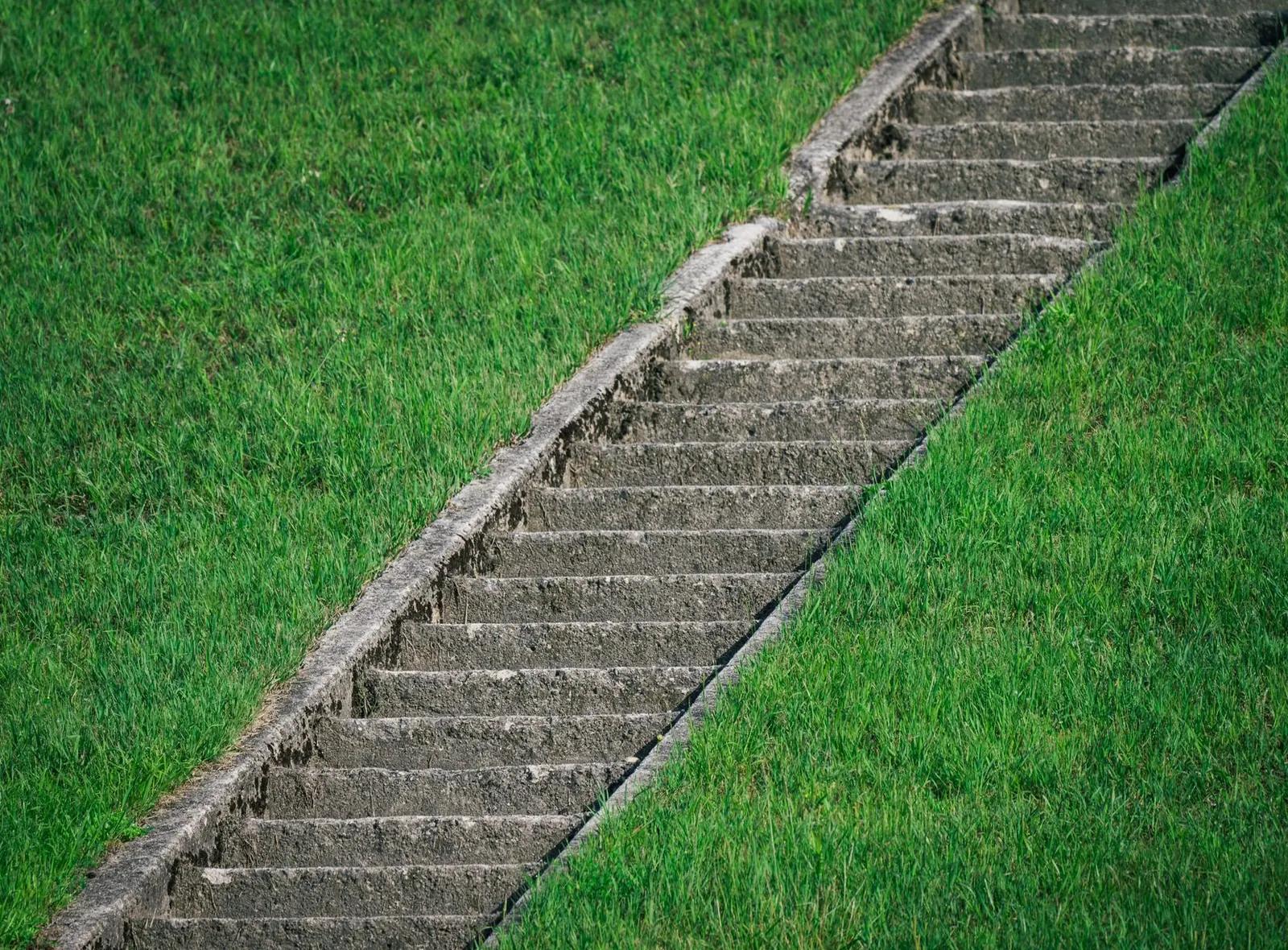
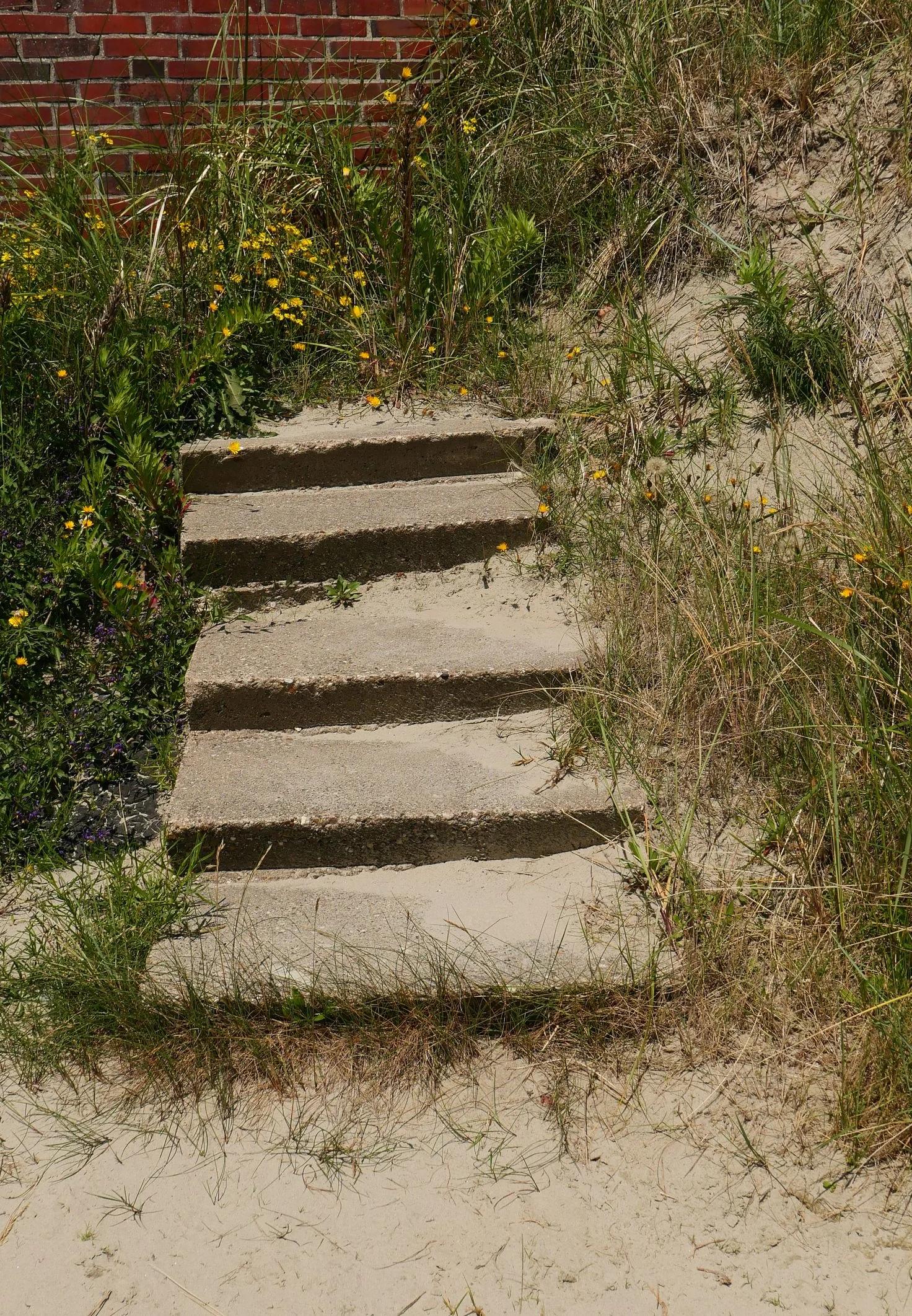
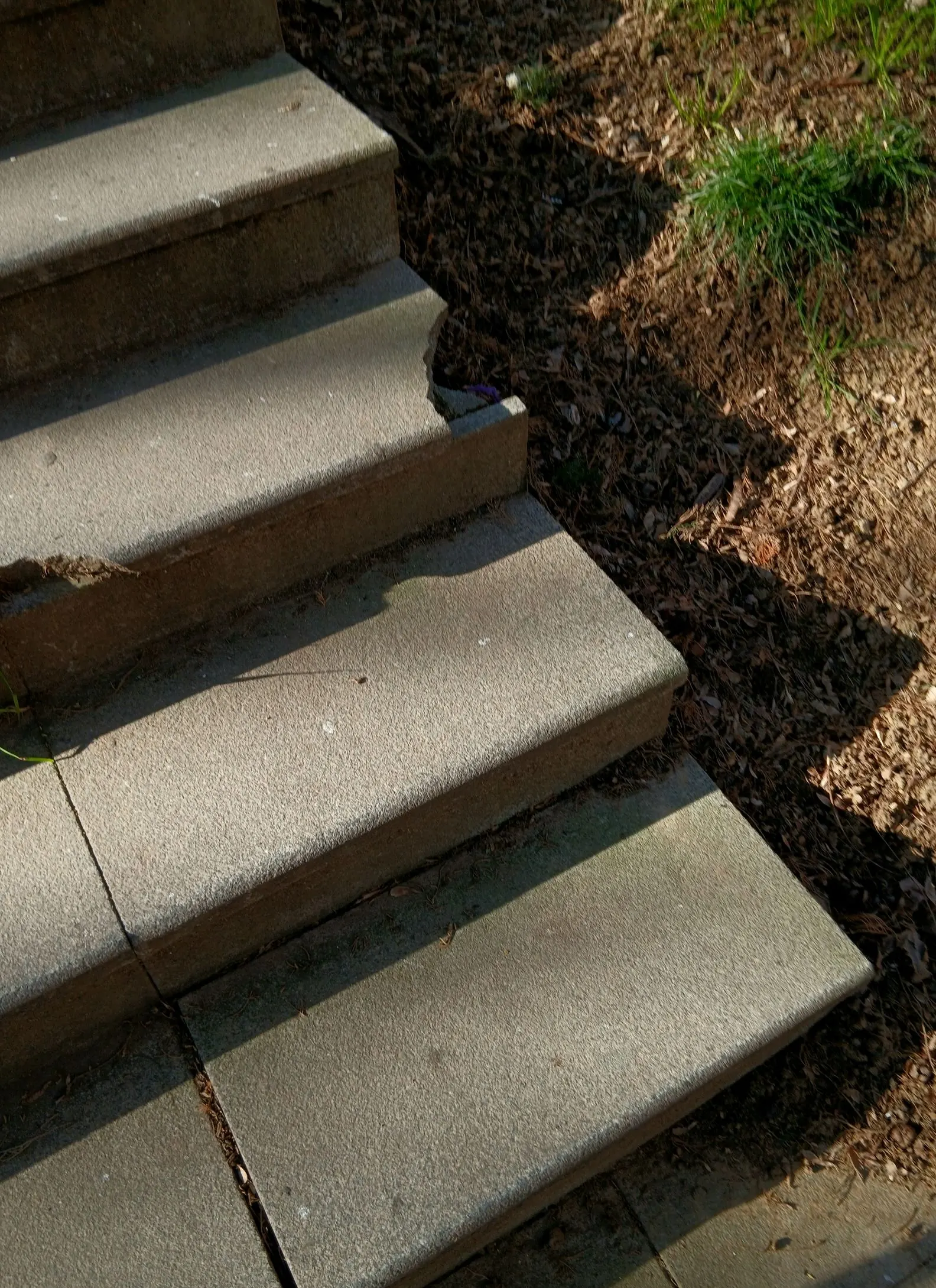
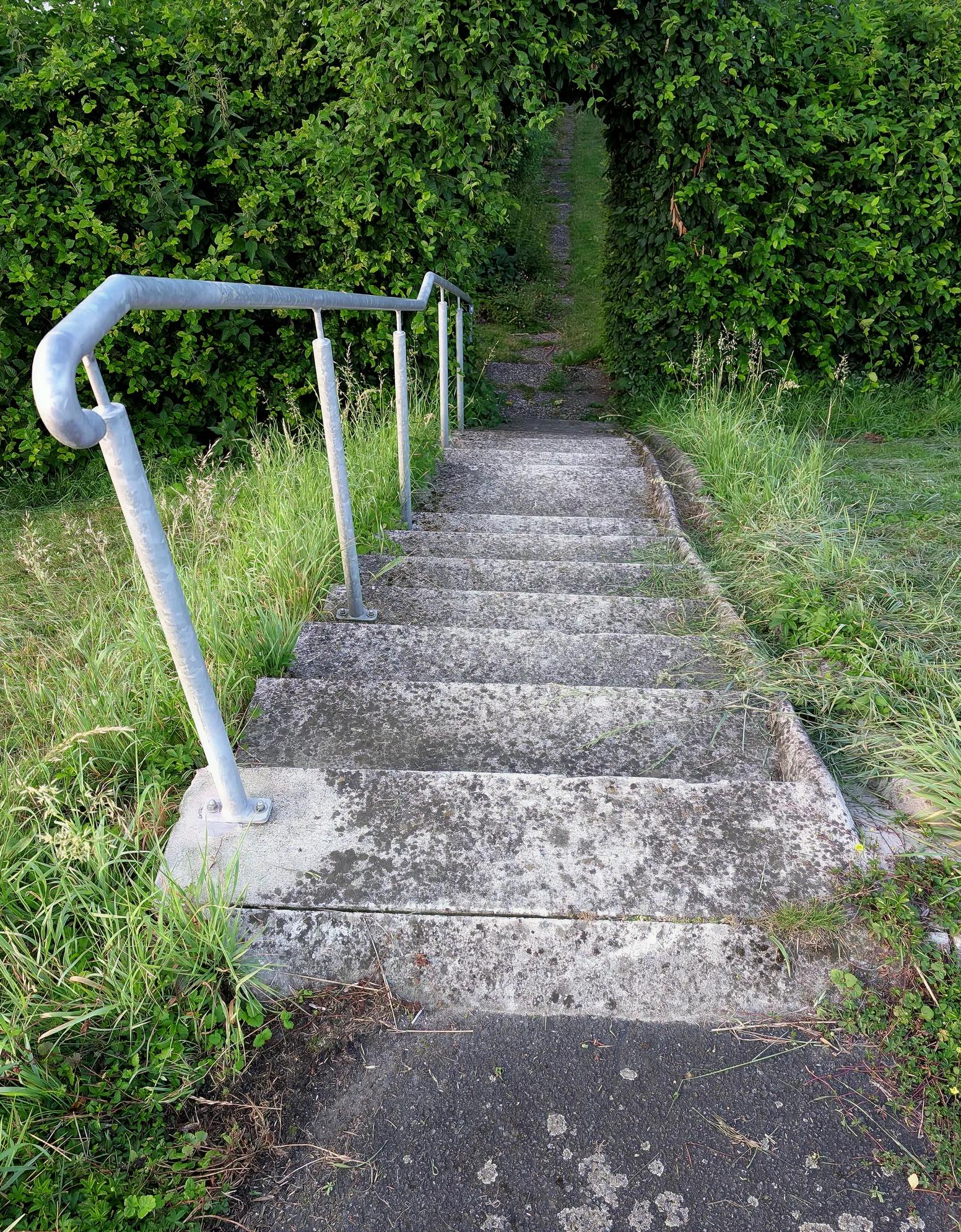
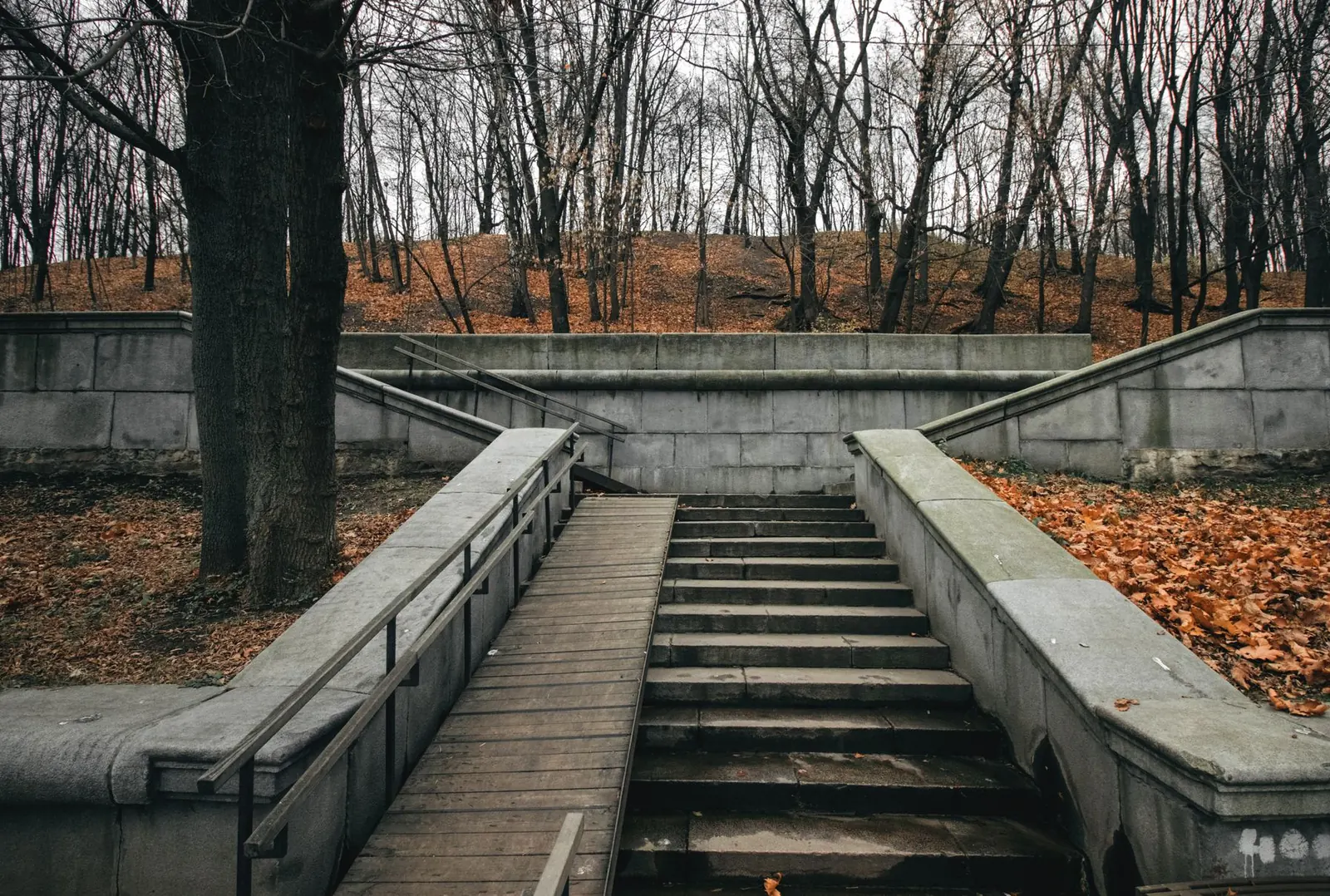
Example photos of this kind of concrete work.
How it works
How a walkway job works
- 1
Follow the route
The visit traces the path the walk will take, checks how far the ground drops, and notes trees, downspouts and doors along the way.
- 2
Remove and prepare
Old panels or steps come out, and the base is reshaped and compacted where the old concrete sank.
- 3
Form the grades and steps
Forms are set for the walk's pitch and each step's rise and run, with steel where steps and landings need it.
- 4
Pour, broom and cure
The concrete is finished with joints and a broom texture, then cured before anyone walks on it, usually a day or two.
Questions
Sidewalks & Steps FAQs
Why do my front steps ice over when the walk does not?
Steps lose heat from more sides than a walk does, and if they face north they may get little direct sun for much of the winter. Water that collects on a flat tread or drips from a roofline freezes there night after night. A slight forward slope on each tread, a rough broom finish and keeping roof runoff off the steps all help.
What drives the cost of a walk or a set of steps?
Length and width for walks, the number of steps and landings for stairs, and whether old concrete must be broken out beforehand. Steps take more forming and finishing per foot than flat walk, and a bench-lot walk with grade changes needs more of both. Access matters too, if the concrete has to be wheeled around the house.
Who fixes the sidewalk along the street, me or the city?
It depends on the city. The sidewalk next to the street is in the public right-of-way, and each city sets its own rules about who repairs it and what permit the work needs. Call the city's public works or engineering office before planning a replacement, and the estimate can follow whatever standard it uses.
Can you replace just the panels that are lifted?
Yes, in most cases. The bad panels are cut out at the joints, the base underneath is regraded and compacted, and new panels are poured flush with the ones that stayed level. The new concrete will be lighter in color for a while before it weathers in.
How tall should each step be?
Consistency matters more than any exact number, though residential risers usually land somewhere around 7 inches with treads deep enough for a whole foot. Building codes set the limits, and the city building office has them for your town. What causes trips is a set where one riser differs from the rest, which is common on old steps that settled unevenly.
Related work
You might also be planning
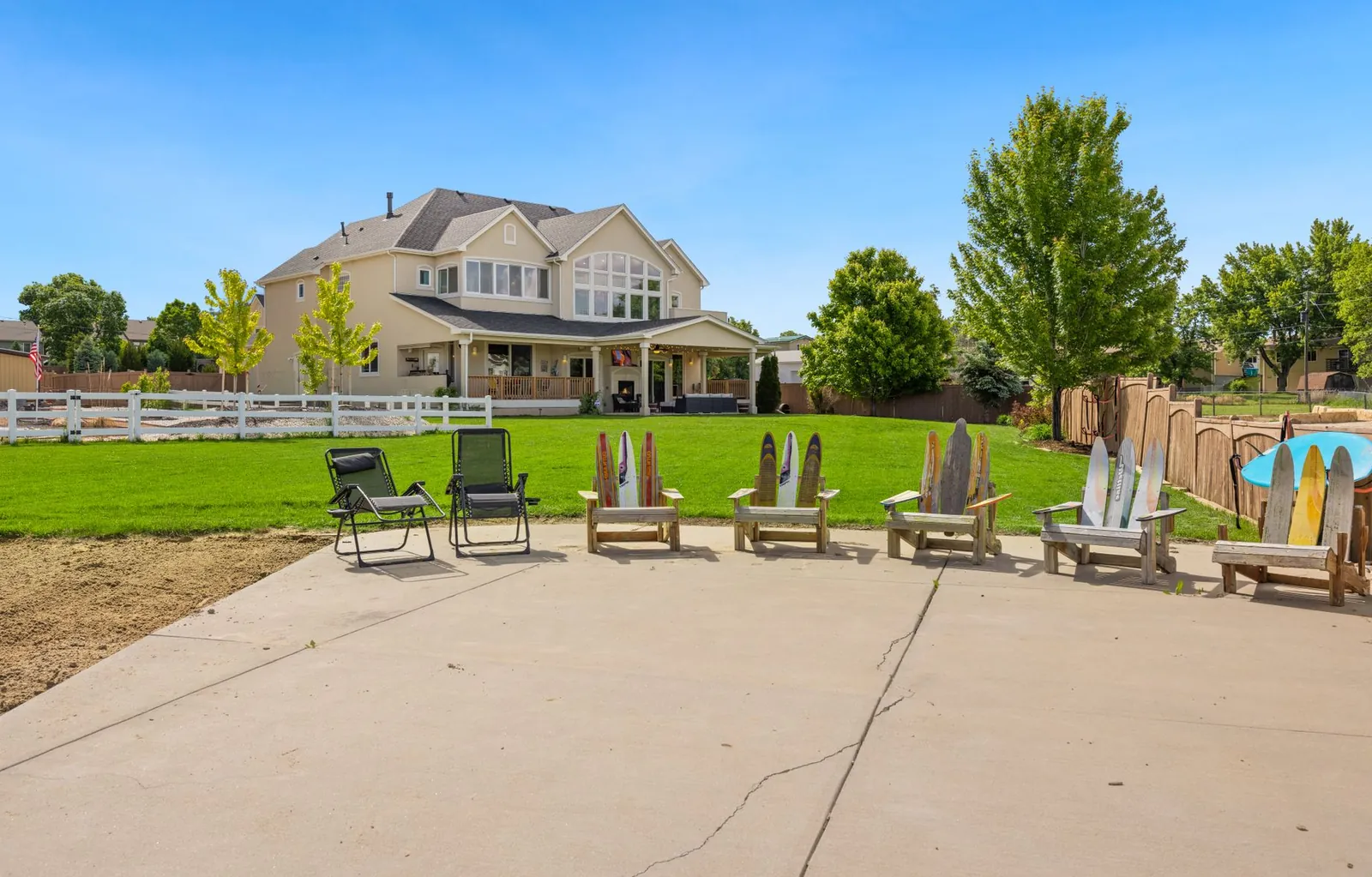
Concrete Patios
New and extended back patios, plain or stamped, sloped away from the house and set on a base that suits the lot.
More on Concrete Patios
Concrete Repair & Replacement
Replacing broken or sunken concrete, or repairing it while the slab is still sound: leveling, cracks, resurfacing, sealing.
More on Concrete Repair & Replacement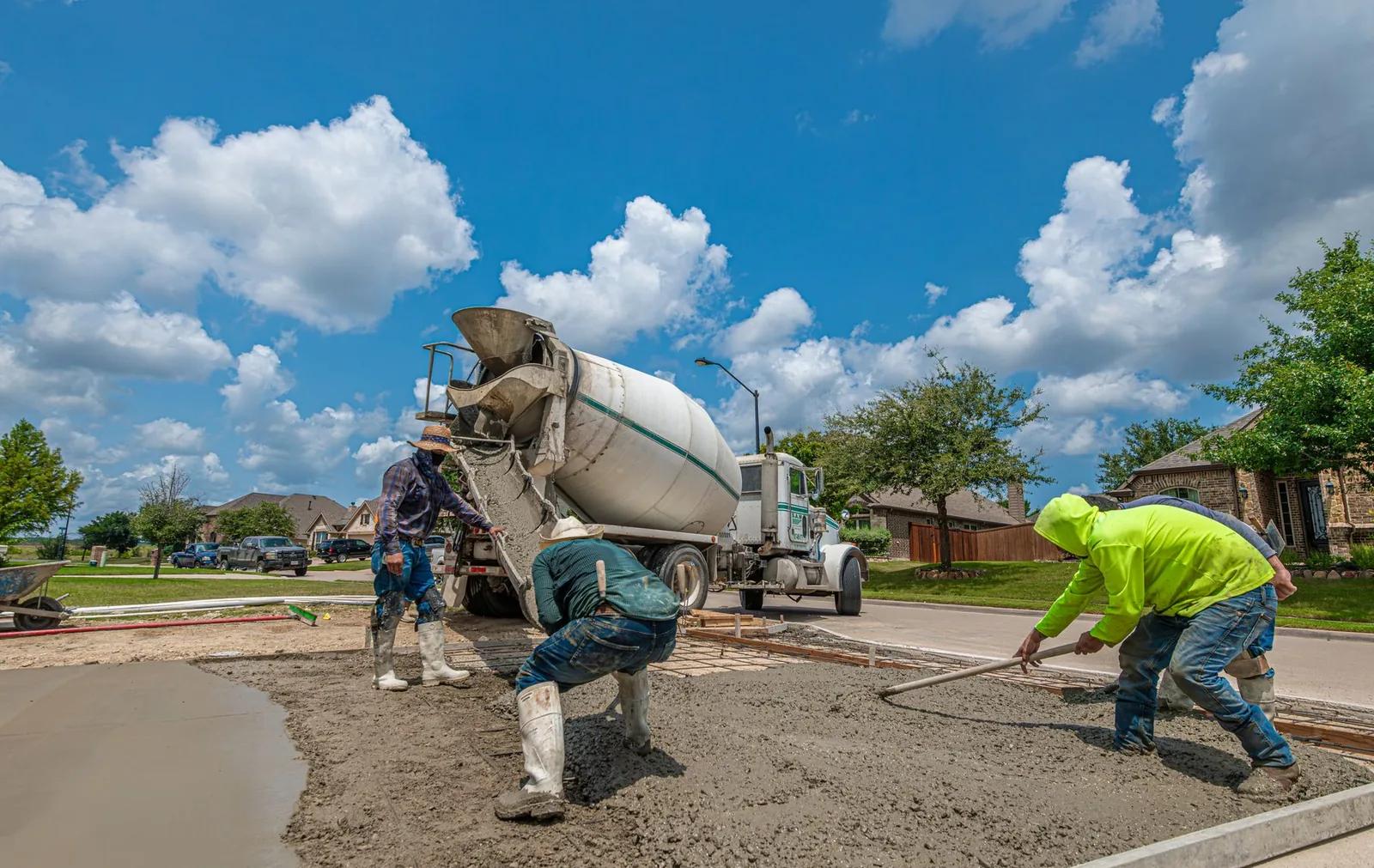
Concrete Driveways
New, replacement and extended driveways, with the base and slope matched to bench or lake-side ground.
More on Concrete Driveways
Where we work
Sidewalks & Steps in these towns
We take requests for sidewalks & steps in each town below, from North Salt Lake up to Brigham City.
Davis County
Weber County
Morgan County
Box Elder County
Ready to price your walkway?
Give the town, what kind of concrete it is and roughly how big. You will get a phone call from the contractor about the job and a time to come see it.