Repair · Concrete Davis County
Concrete Replacement & Repair in Davis County, UT
Tear-out and replacement, crack repair, leveling, resurfacing and sealing. Request a free estimate.
Concrete Repair & Replacement across Davis, Weber and Box Elder counties
Free Replacement Estimate
Give the town, what kind of concrete it is and roughly how big. You will get a phone call from the contractor about the job and a time to come see it.
- Free estimates
- Residential and commercial
- Bench and lake-side lots
- All of Davis County
Town, type of job, rough size. That is all it takes.
Concrete Repair & Replacement
Concrete Replacement for Davis County, UT
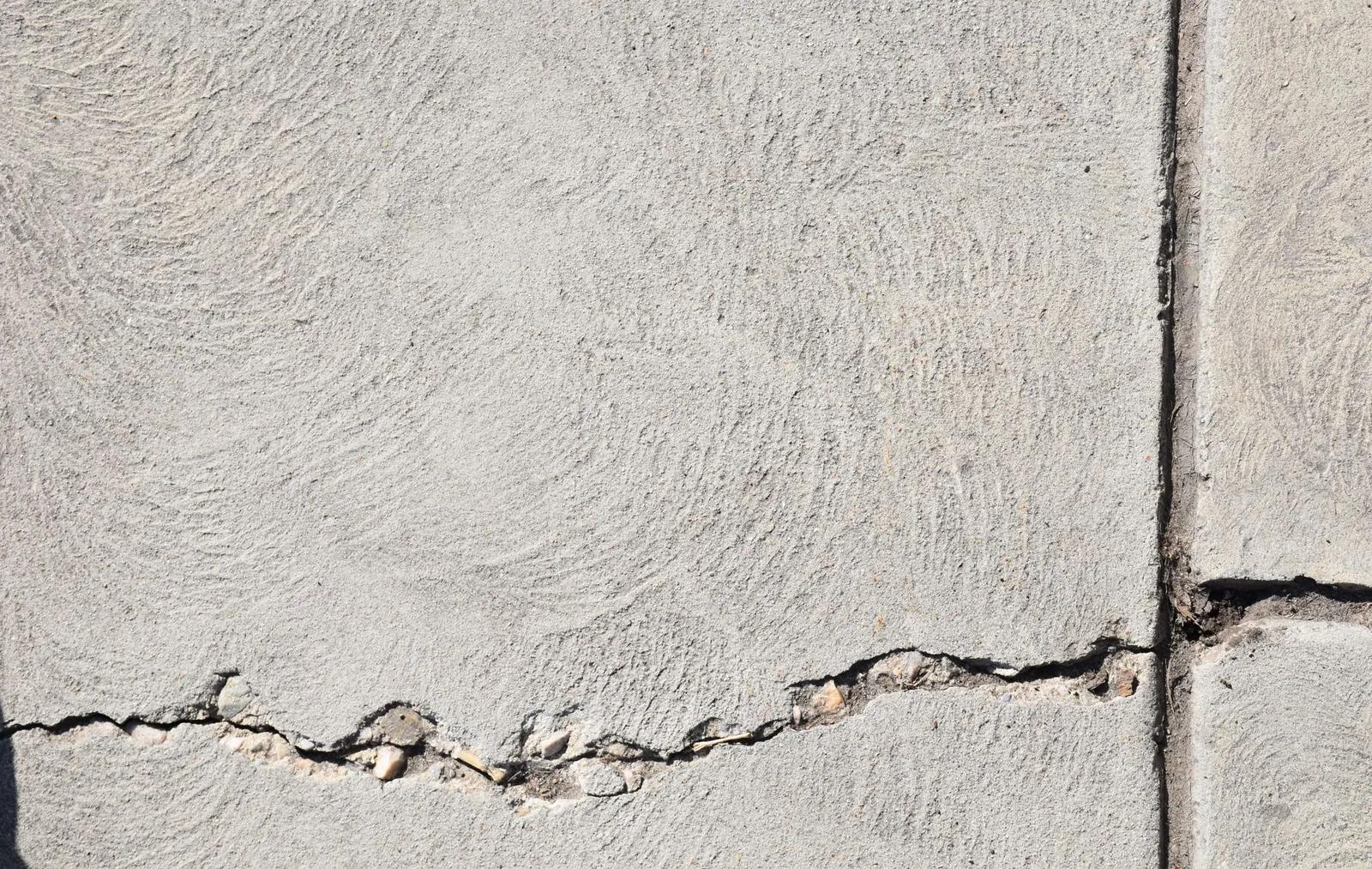
Concrete in Davis County seldom wears out evenly, so the first job is working out why it failed. Scaling, where the top layer flakes off in patches, usually traces back to salt and freeze-thaw, and the slab underneath can still be sound. A section that sank or tilted points to the base: fill that kept settling, clay that swelled and shrank, or a downspout that soaked the ground. Wide, offset cracks, root heaves and broken corners are structural. The cause decides whether the answer is a repair or a replacement, and how much of the slab has to come out.
Replacement does not always mean the whole driveway. Sound panels can stay, while failed ones are sawcut out at the joints, the base underneath is rebuilt and compacted, and new concrete is poured flush, with dowels tying it to the old slab. Where the concrete is still in one piece but has sunk, leveling can raise it. Where the surface has scaled but the slab is solid, resurfacing and a penetrating sealer can add years. Older homes at the south end of the county and newer subdivisions out west tend to need this work for opposite reasons: age and roots in one, settling fill in the other.
What's included
What goes into concrete repair and replacement
- 01
Tear-out and haul-off
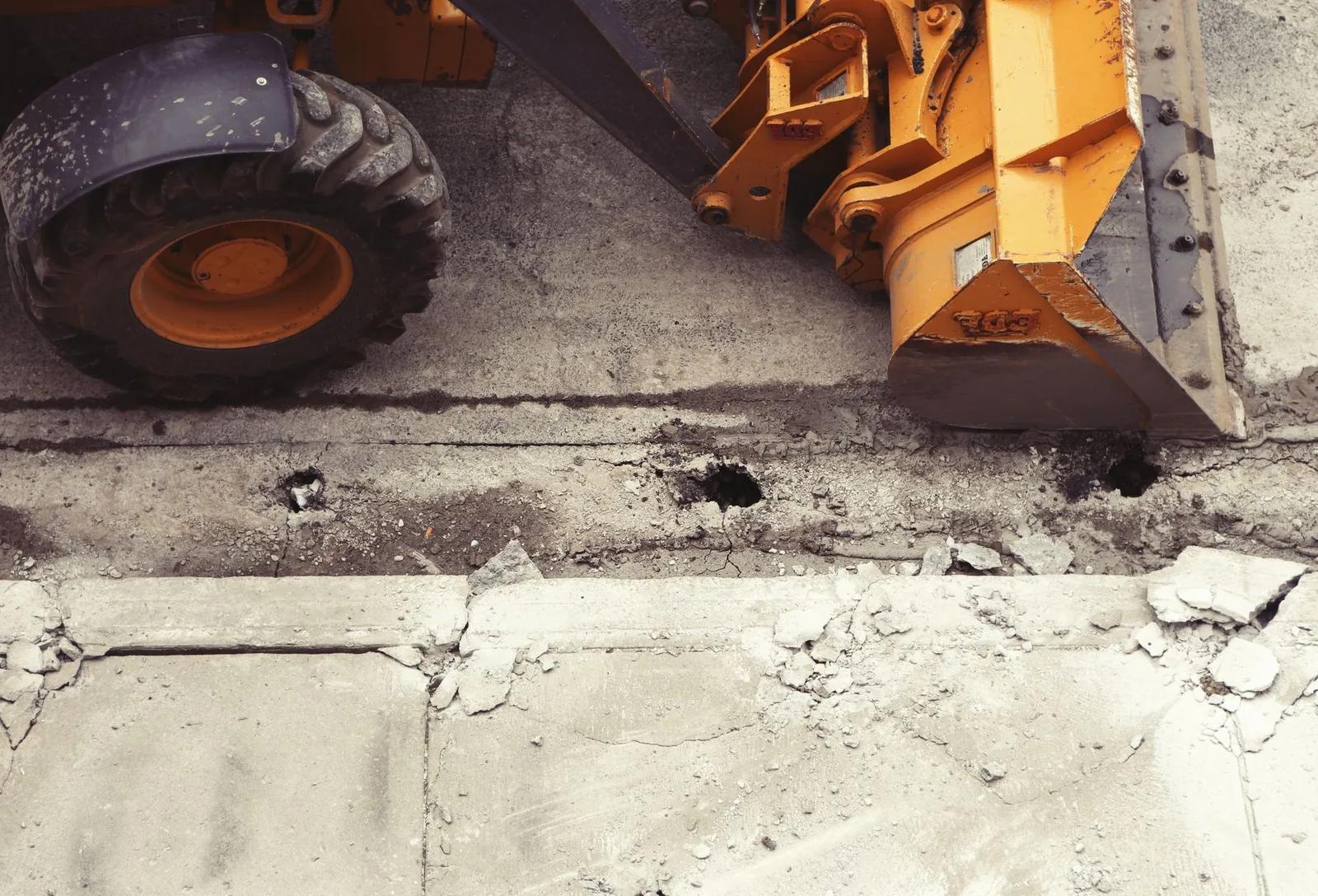
Breaking out failed concrete and hauling the debris away, so the new pour starts on a clean, rebuilt base.
- 02
Section replacement
Sawcutting out only the broken or sunken panels along clean lines and pouring new ones flush with the rest.
- 03
Slab leveling
Raising sunken slabs that are still in one piece back toward level, so water and feet stop catching on them.
- 04
Crack repair
Cleaning out and filling cracks so water stays out, and fixing broken edges and spalled spots.
- 05
Resurfacing
A thin new surface over scaled or worn concrete that is still structurally sound underneath.
- 06
Sealing
Penetrating sealer on new and repaired concrete to slow down salt and water, the two things that wear it out here.
Ideas
Concrete Repair & Replacement: what they can look like
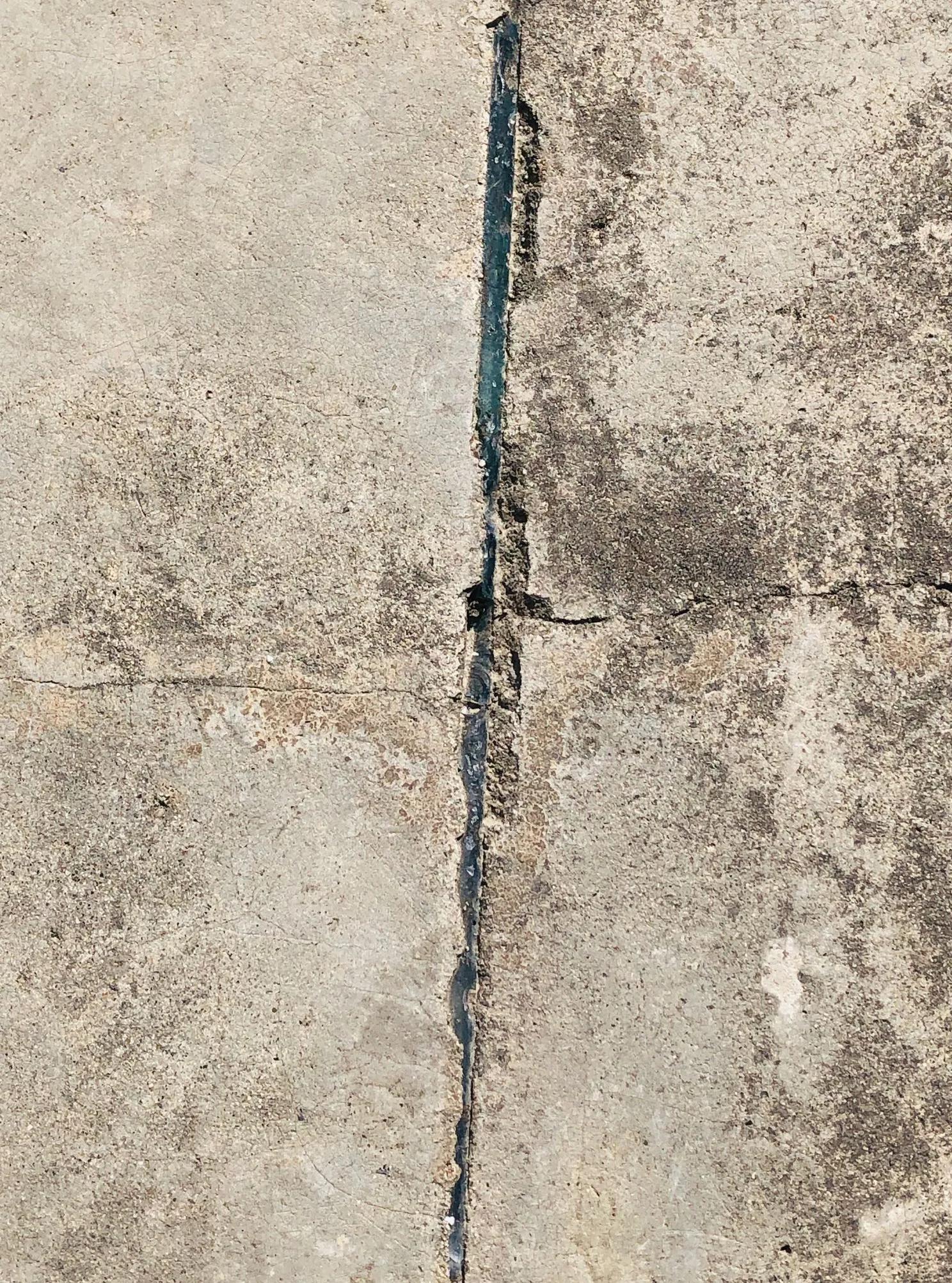
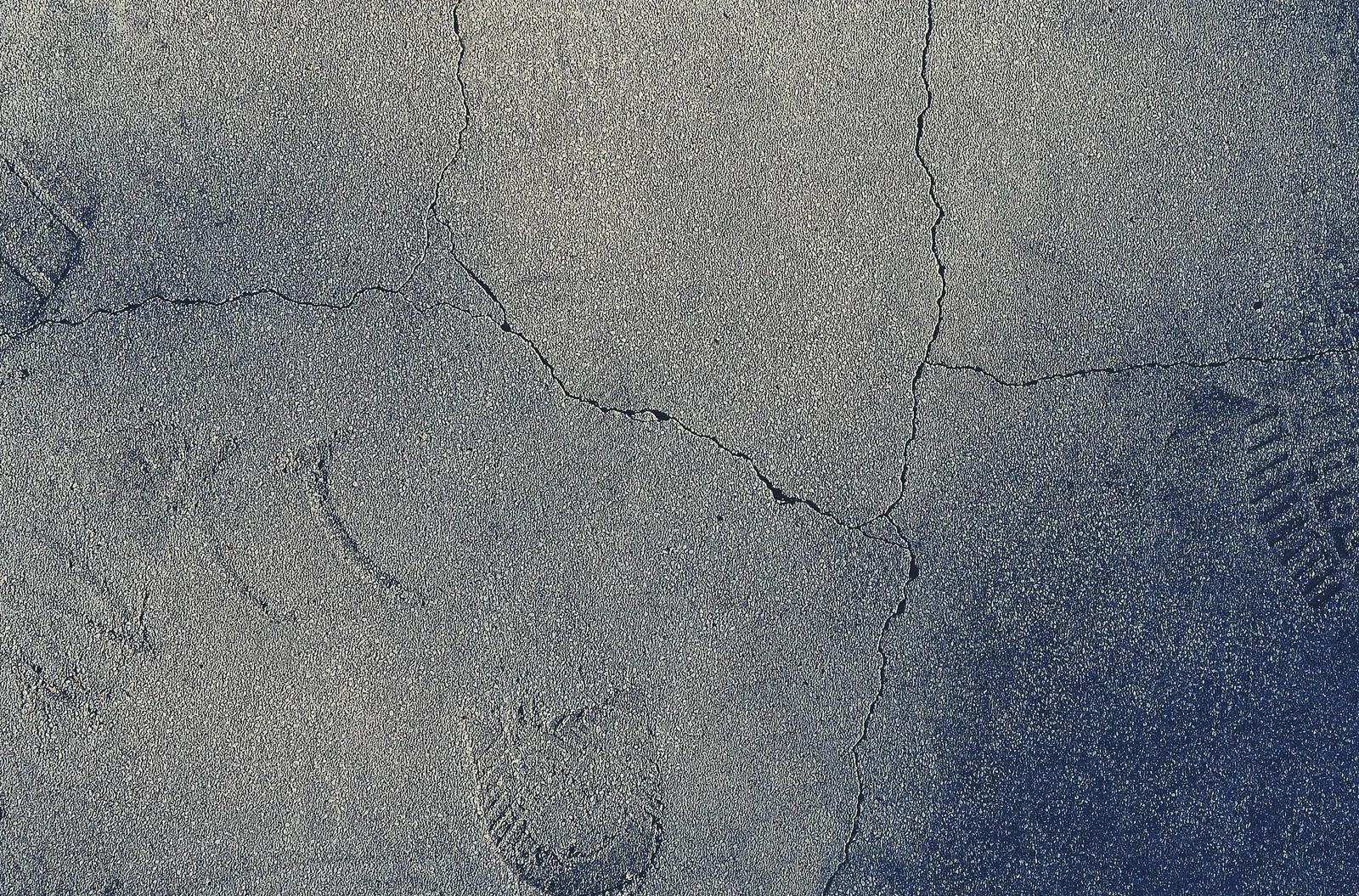
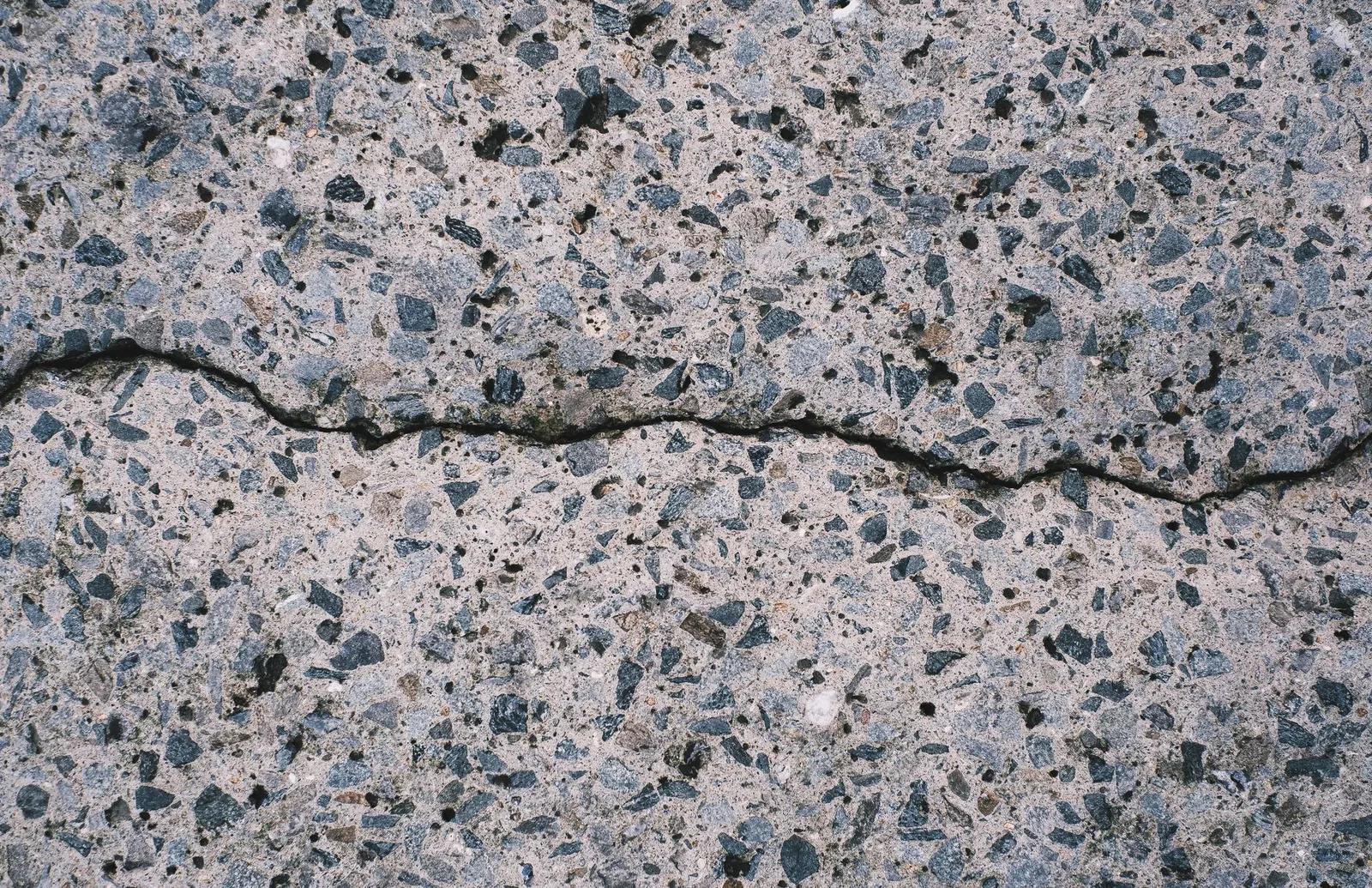
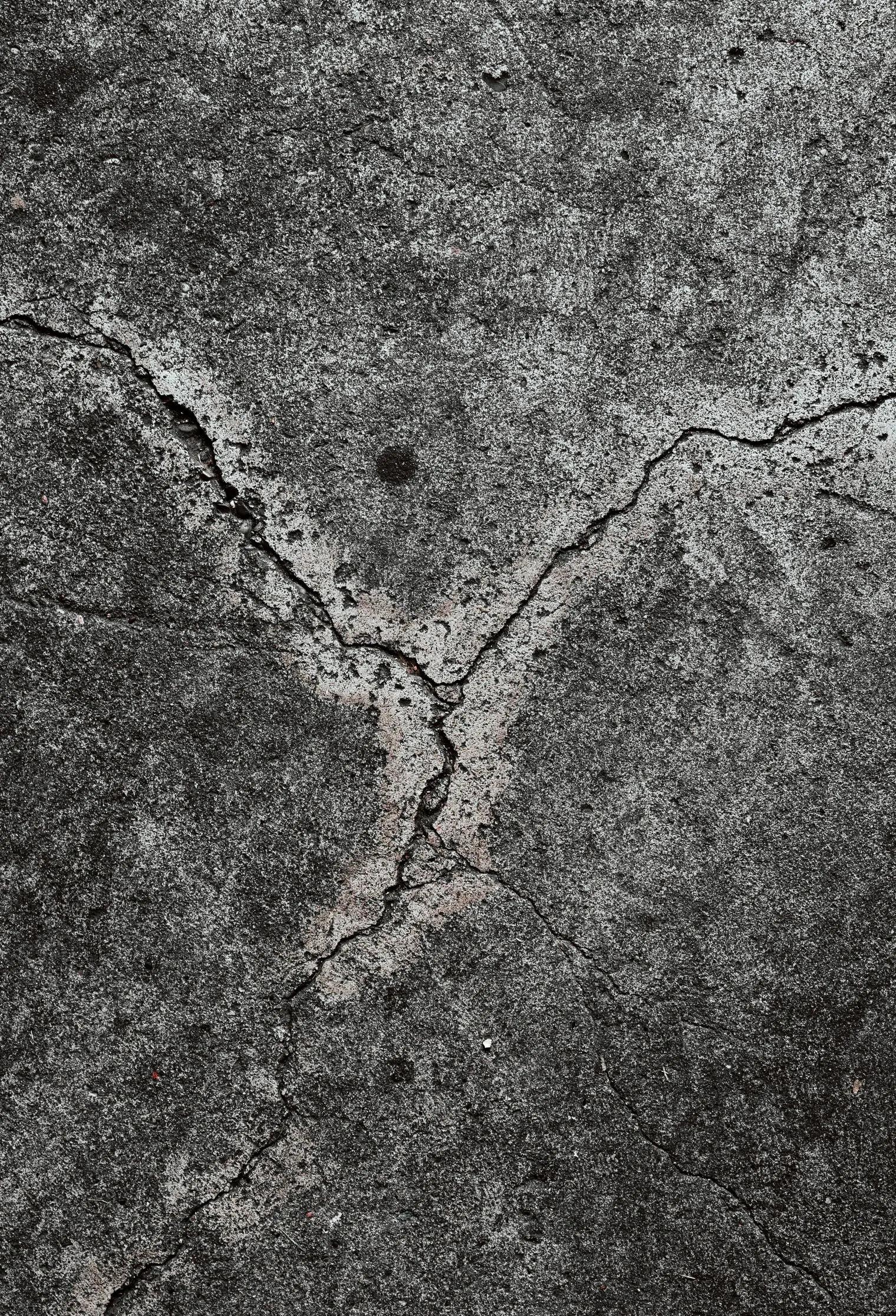
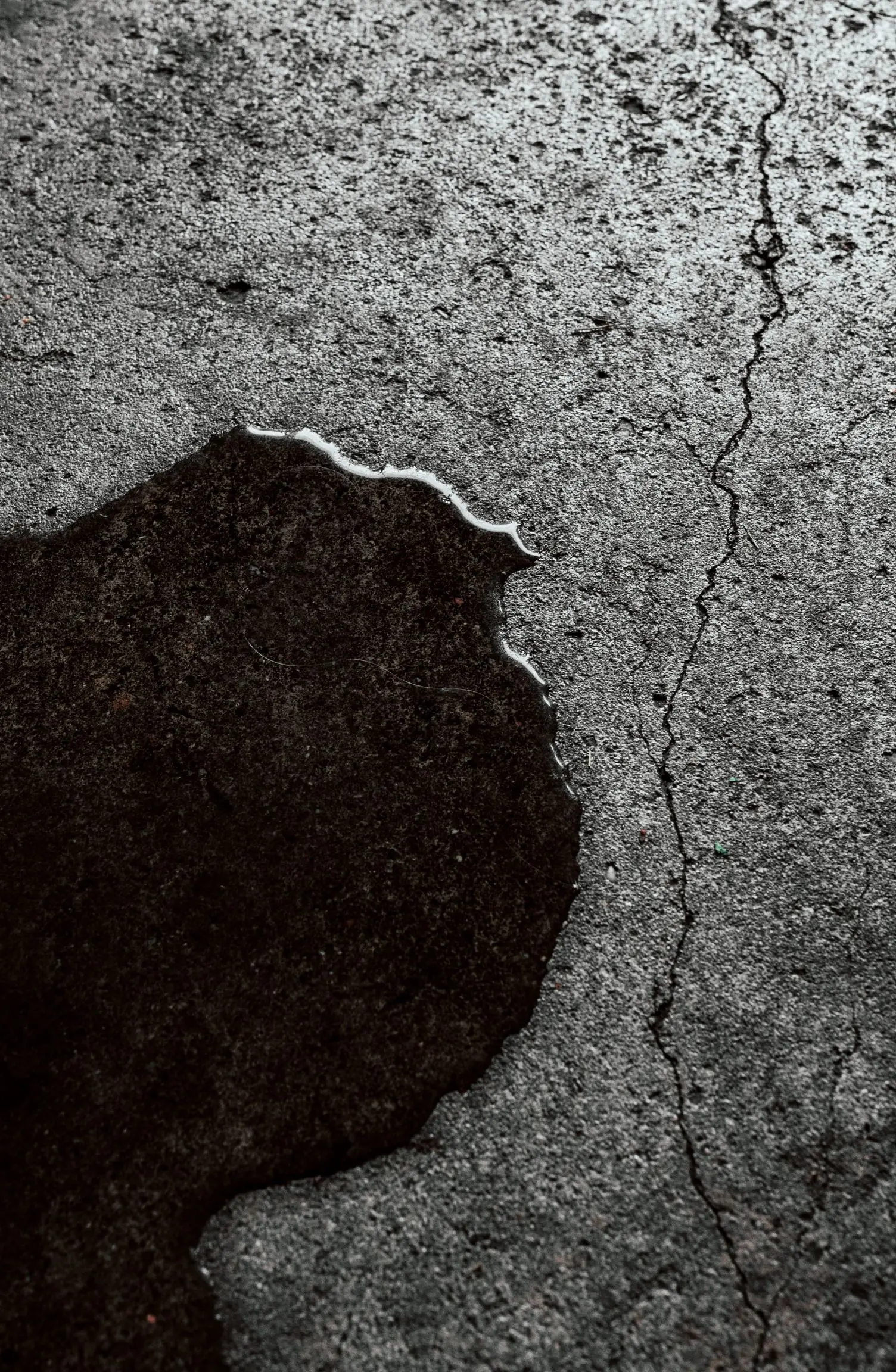
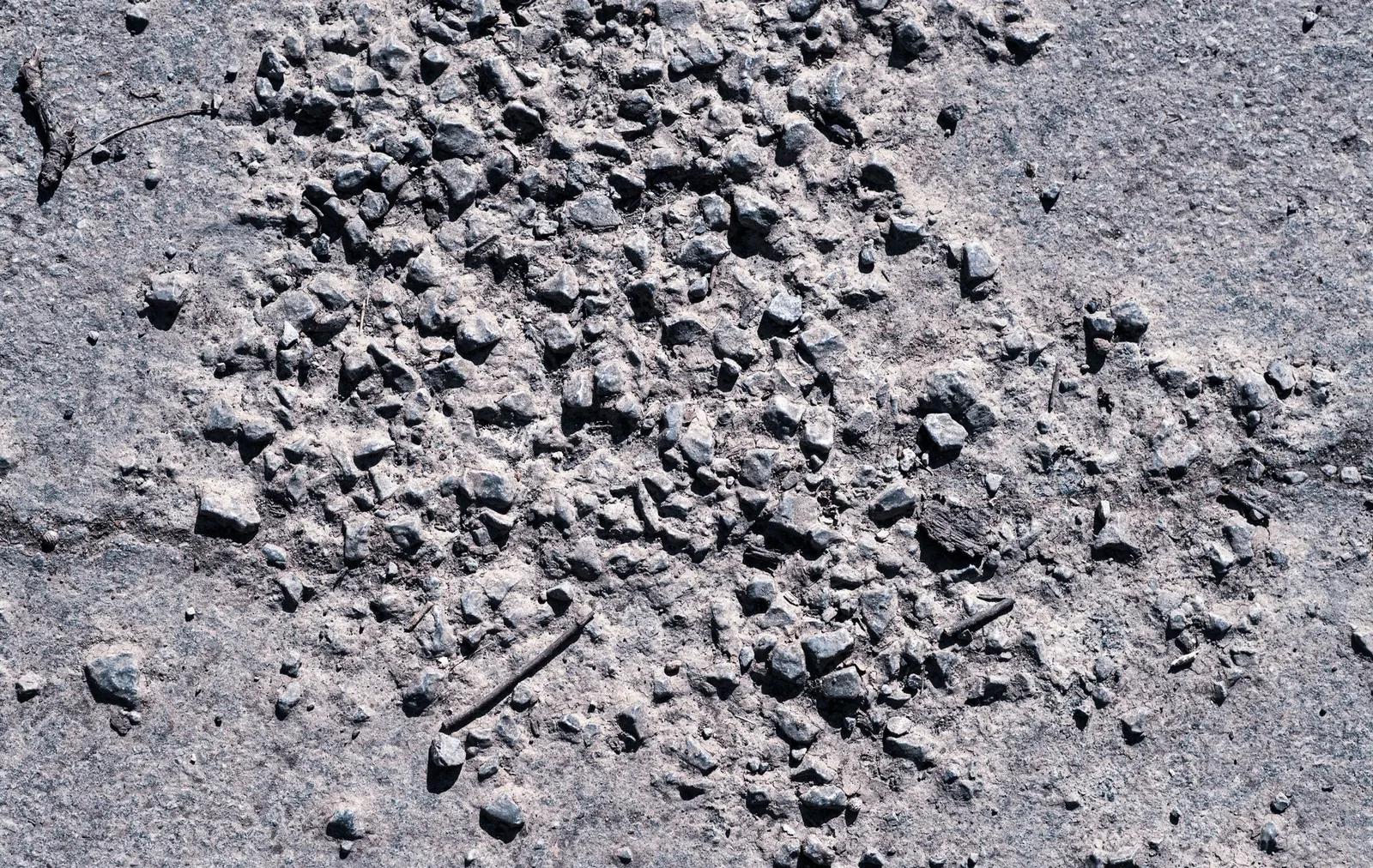
Example photos of this kind of concrete work.
How it works
How a replacement job works
- 1
Find the cause
The visit looks at the pattern of damage, the slope, the downspouts and the soil, since patching a slab without fixing the cause only buys a season or two.
- 2
Choose repair or replace
Sound concrete with surface damage gets repaired; sunken, heaved or broken sections get replaced.
- 3
Cut, remove and rebuild
Failed sections are sawcut and hauled off, and the base is regraded and compacted before new concrete goes in.
- 4
Pour, match and seal
New concrete is doweled to the old, finished to match its texture, cured, and sealed along with its neighbors.
Questions
Concrete Repair & Replacement FAQs
Why is the surface of my driveway flaking off?
That is scaling, and in northern Utah it usually comes from salt and freeze-thaw working together. Water soaks into the top of the slab, freezes and expands, and de-icing salt makes each cycle harsher, especially on concrete that was salted in its first winter or poured without enough entrained air. If the slab is otherwise flat and solid, resurfacing and sealing can be enough.
What drives the cost of replacing concrete?
How much has to come out, how thick it is, whether it has steel in it, and how far the debris has to be carried and hauled. Base repair under the old slab, the size of the new pour and the finish come next. Replacing only the failed panels instead of the whole slab is often the biggest way to keep the scope down.
Do I need a permit to replace old concrete?
It depends on where the concrete is. Work in the street right-of-way, such as a driveway approach, curb cut or city sidewalk panel, needs a city permit, and the city's building or engineering office can say what else applies on your own lot. Before anything is broken out or dug, 811 gets the buried lines marked.
Will new concrete match my old concrete?
Not exactly at first. New concrete is lighter and more uniform than a slab that has weathered for years, and the difference fades as it ages. Matching the broom direction and the joint pattern makes the repair look intentional, and cutting replacements at existing joints helps more than any color trick.
Can a sunken slab be raised instead of replaced?
If it is still in one piece and the soil below has stopped moving, often yes. Leveling lifts the slab back toward its original height and fills the void underneath. If the slab is broken into pieces, or the ground keeps settling because of water, replacement over a rebuilt base is the longer-lasting fix.
Related work
You might also be planning
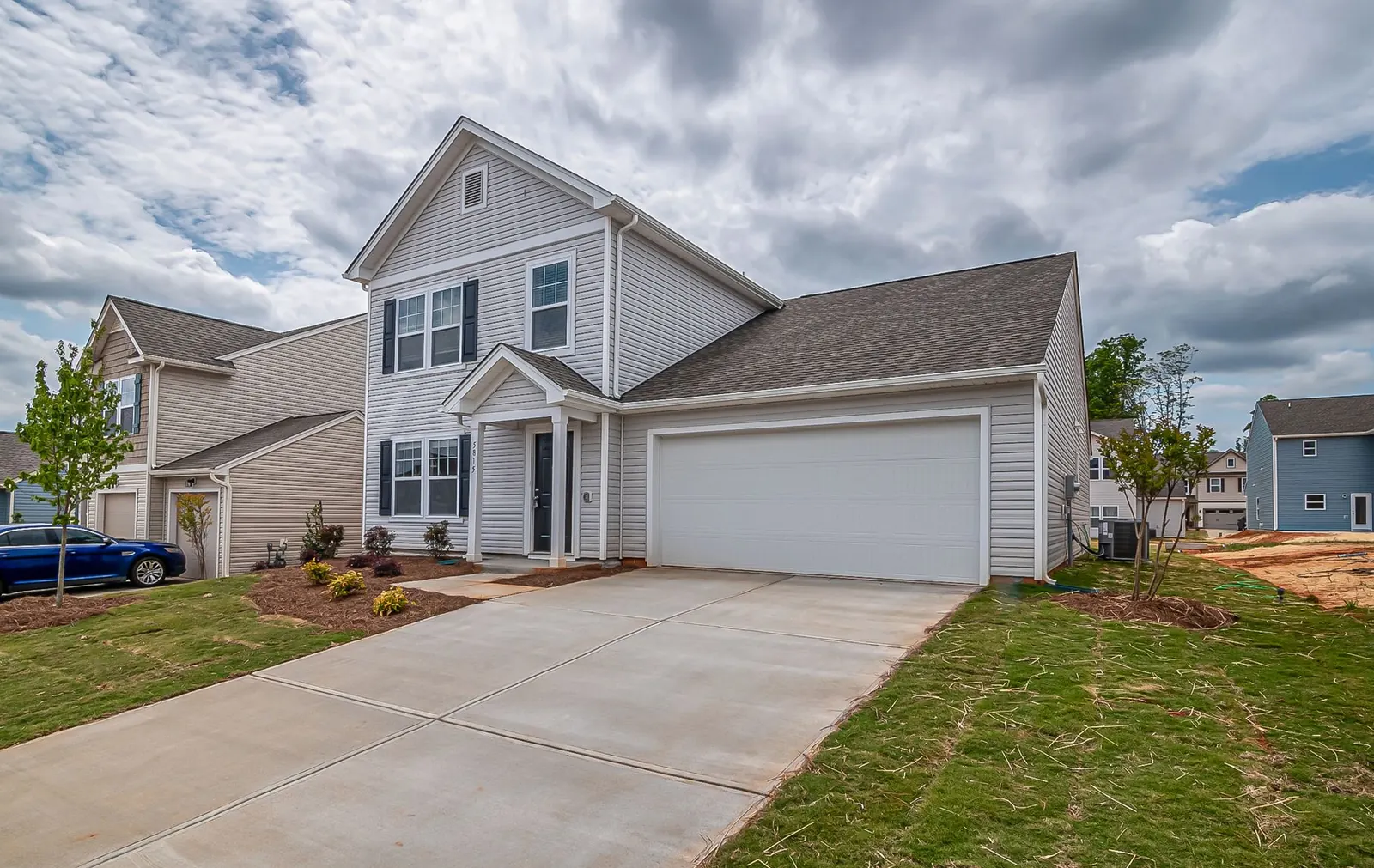
Concrete Driveways
New, replacement and extended driveways, with the base and slope matched to bench or lake-side ground.
More on Concrete Driveways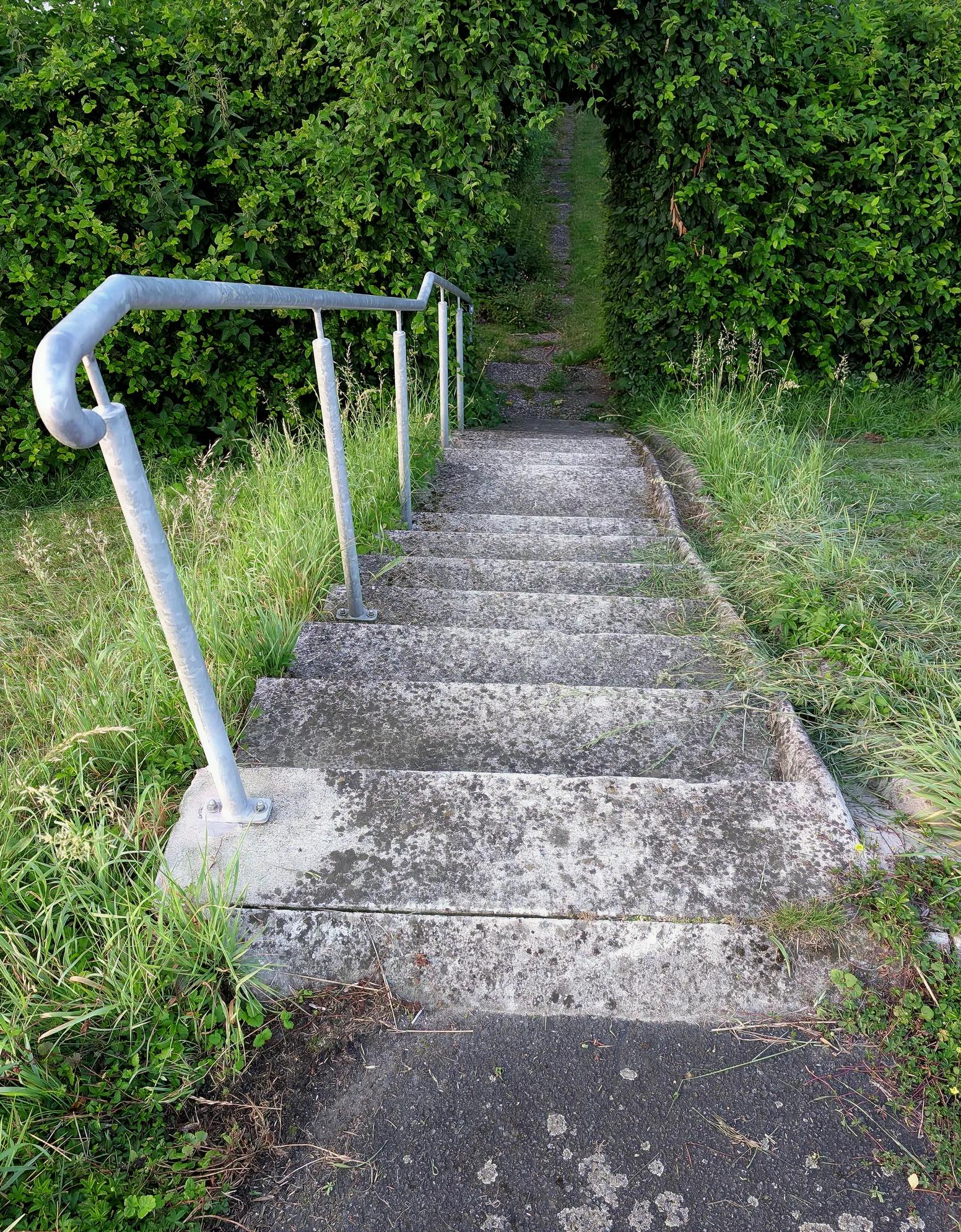
Sidewalks & Steps
Walkways, city sidewalk panels, steps and porches, with even risers and a finish that grips in ice season.
More on Sidewalks & Steps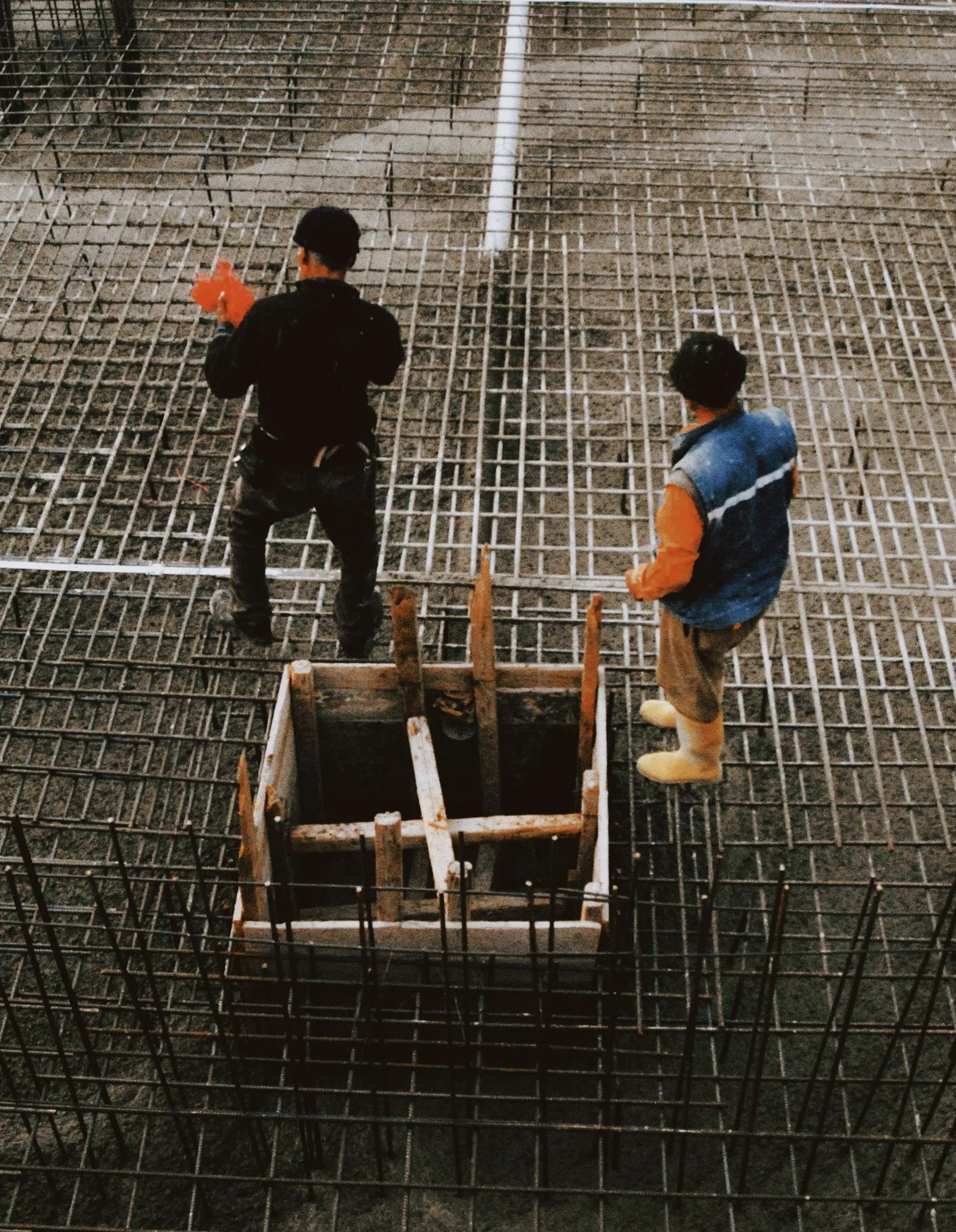
Foundations & Footings
Footings and foundation walls for houses, additions, garages and shops, poured below frost and to the plans.
More on Foundations & Footings
Where we work
Concrete Repair & Replacement in these towns
We take requests for concrete repair & replacement in each town below, from North Salt Lake up to Brigham City.
Davis County
Weber County
Morgan County
Box Elder County
Ready to price your replacement?
Give the town, what kind of concrete it is and roughly how big. You will get a phone call from the contractor about the job and a time to come see it.