Patios · Concrete Davis County
Concrete Patios in Davis County, UT
Back patios, extensions of the builder's slab and stamped finishes. Ask for a free estimate.
Concrete Patios across Davis, Weber and Box Elder counties
Free Patio Estimate
Give the town, what kind of concrete it is and roughly how big. You will get a phone call from the contractor about the job and a time to come see it.
- Free estimates
- Residential and commercial
- Bench and lake-side lots
- All of Davis County
Town, type of job, rough size. That is all it takes.
Concrete Patios
Concrete Patios for Davis County, UT
Patio requests in Davis County tend to fall into two groups. In newer subdivisions on the west side, the builder poured a small slab outside the back door and left the rest as dirt, and the owners want room for a table, a grill and maybe a hot tub. In older neighborhoods closer to the mountains, the original patio has settled toward the house, cracked around a tree, or simply worn out. The first is an extension, joined to the existing slab with dowels and a clean sawcut. The second is usually a tear-out, a fresh base and a new pour.
Two local conditions shape every patio. The first is water. A patio should fall gently away from the foundation, roughly an eighth to a quarter inch per foot, and nearby downspouts should empty past the slab's edge, not under it. On lake-side clay that matters twice as much, because soil kept wet beside the house heaves in winter. The second is sun. At this elevation, color and stamped patterns fade faster than people expect, so lighter integral colors and a UV-resistant sealer hold their look longer. Bench lots add a third condition, grade, and sometimes a short retaining wall.
What's included
What goes into concrete patios
- 01
New patios
Broom-finished or decorative patios formed to the shape of the yard, typically 4 inches thick with steel at mid-depth.
- 02
Extending a builder's slab
Adding on to the small back slab that came with a new house, tied in so the two pieces stay level with each other.
- 03
Stamped and colored concrete
Stamped patterns, integral color and contrasting borders, with advice on colors that hold up under strong high-altitude sun.
- 04
Hot tub and grill areas
Thickened, reinforced sections where a hot tub or other heavy load will sit, planned into the patio from the start.
- 05
Steps off the back door
Concrete steps or a landing from the door down to patio level, poured with even risers.
- 06
Patio replacement
Removing a sunken or broken patio, fixing whatever made it fail, and pouring a new one pitched the right way.
Ideas
Concrete Patios: what they can look like
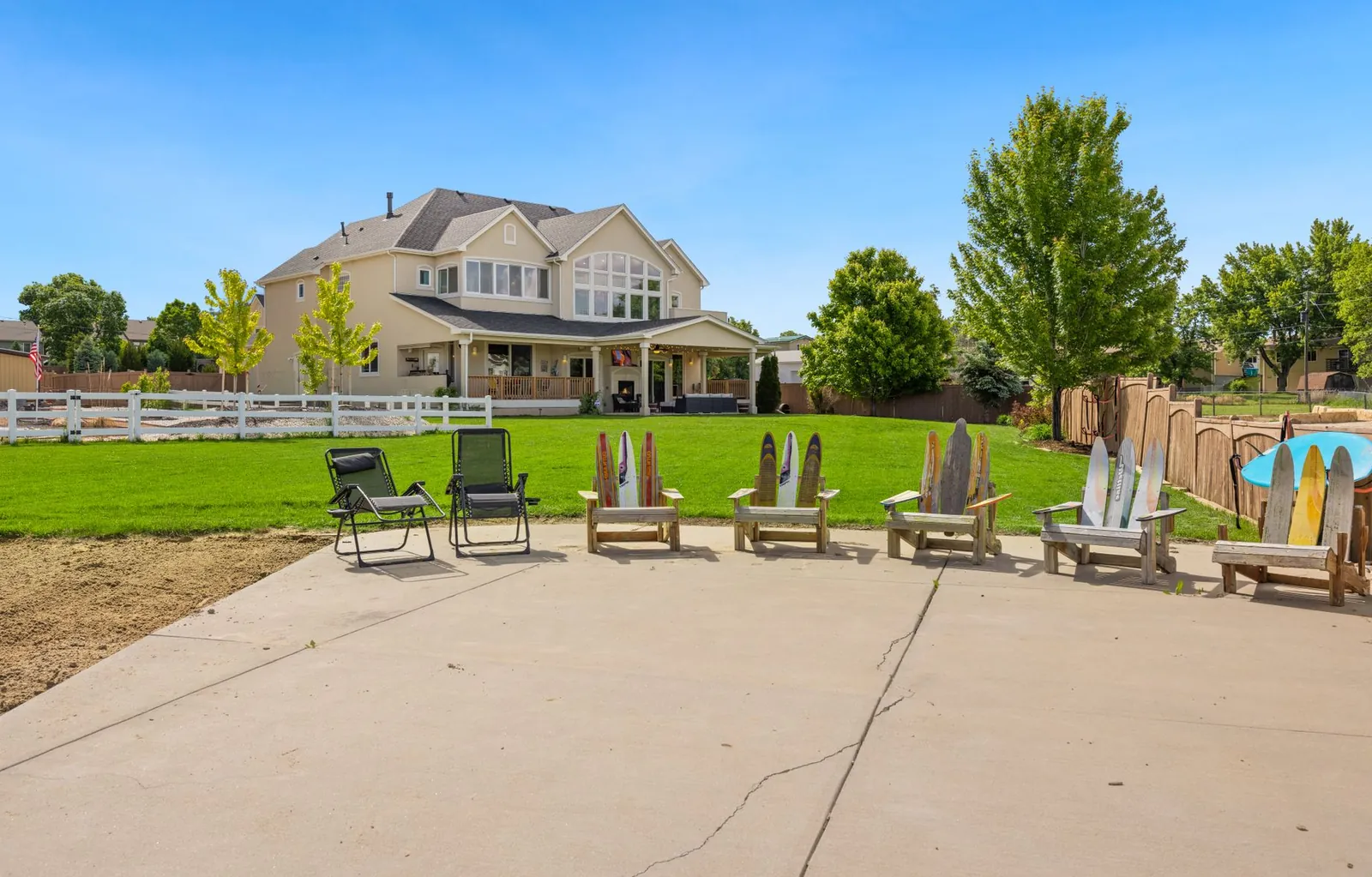
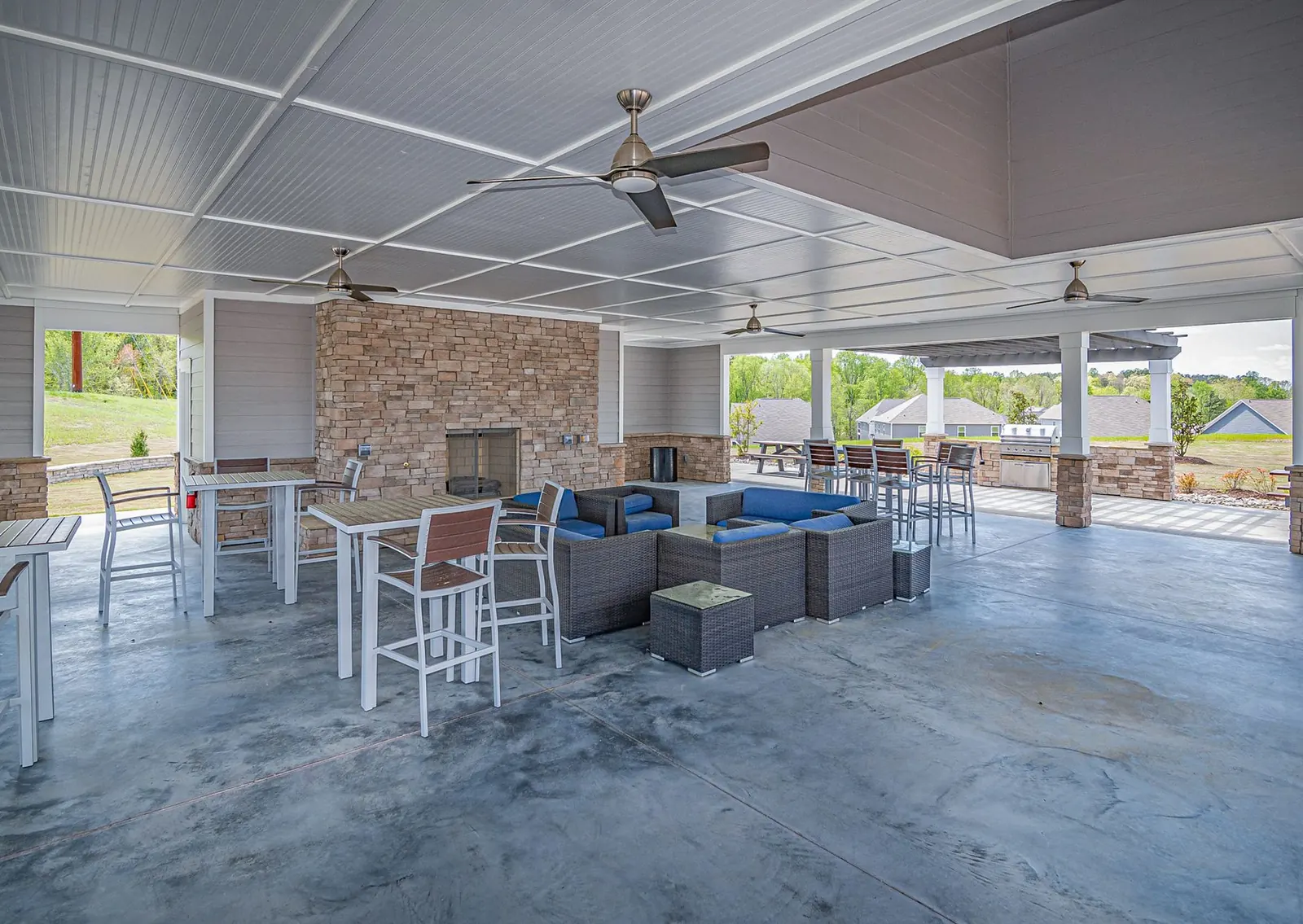

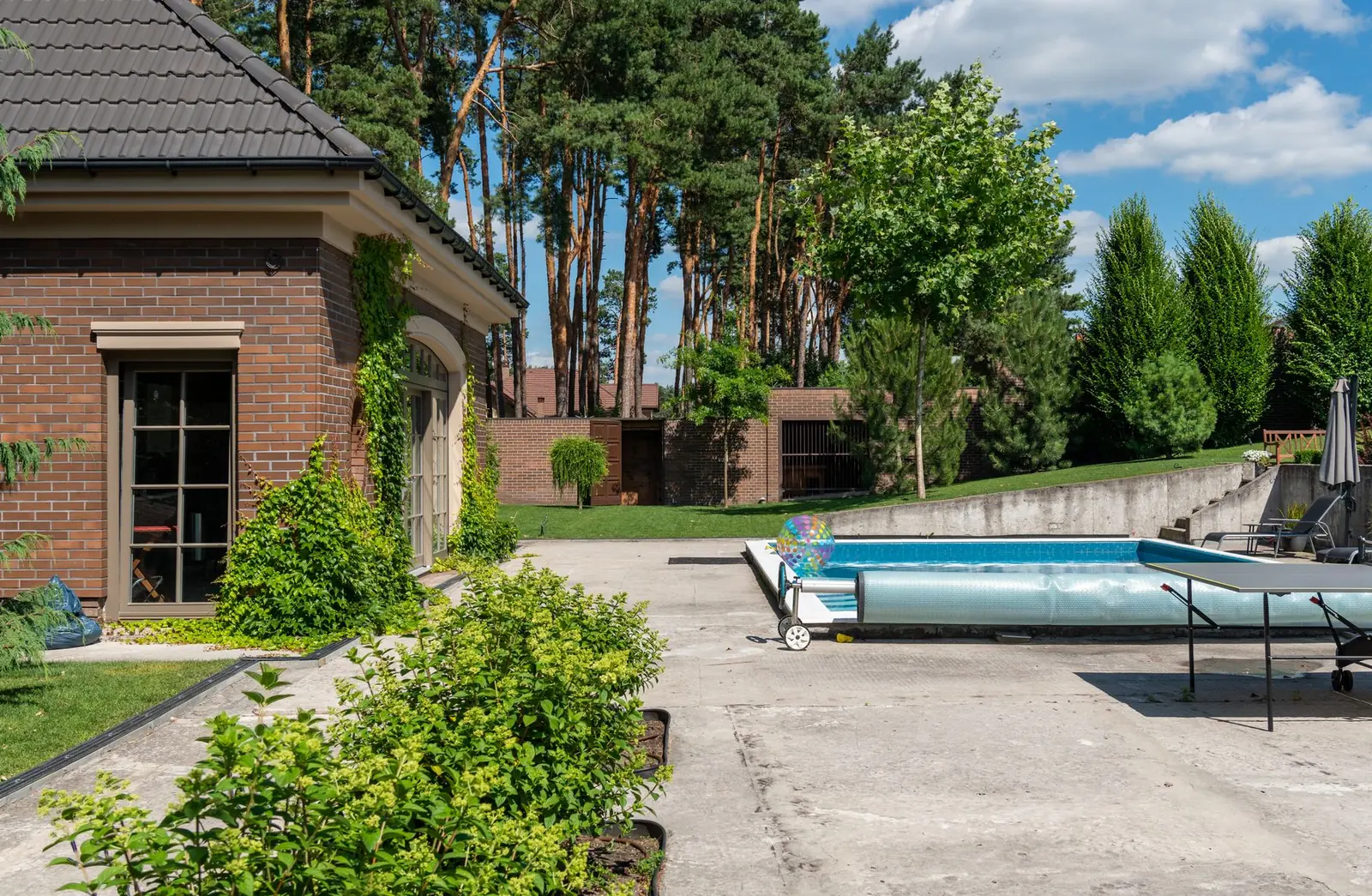
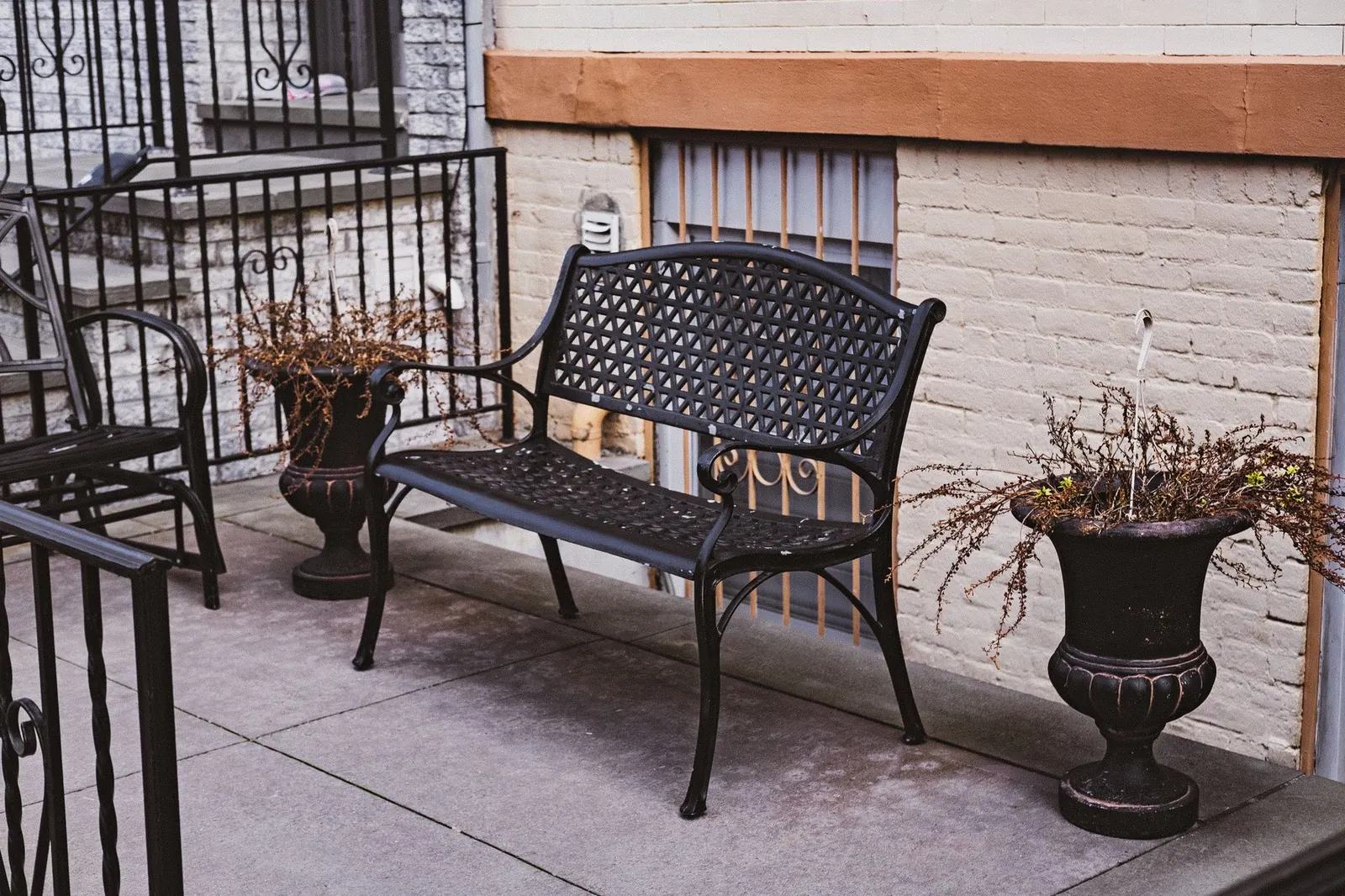
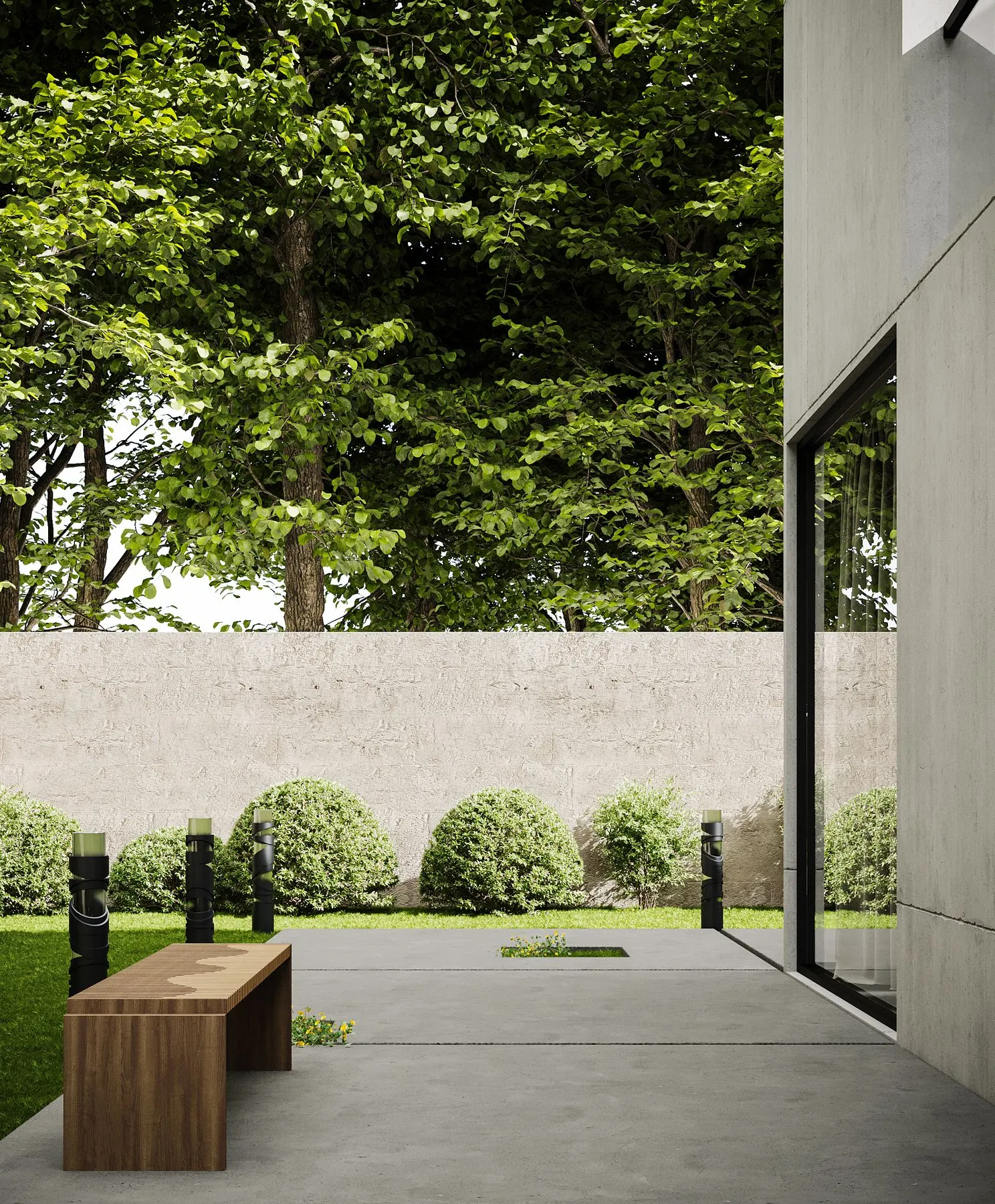
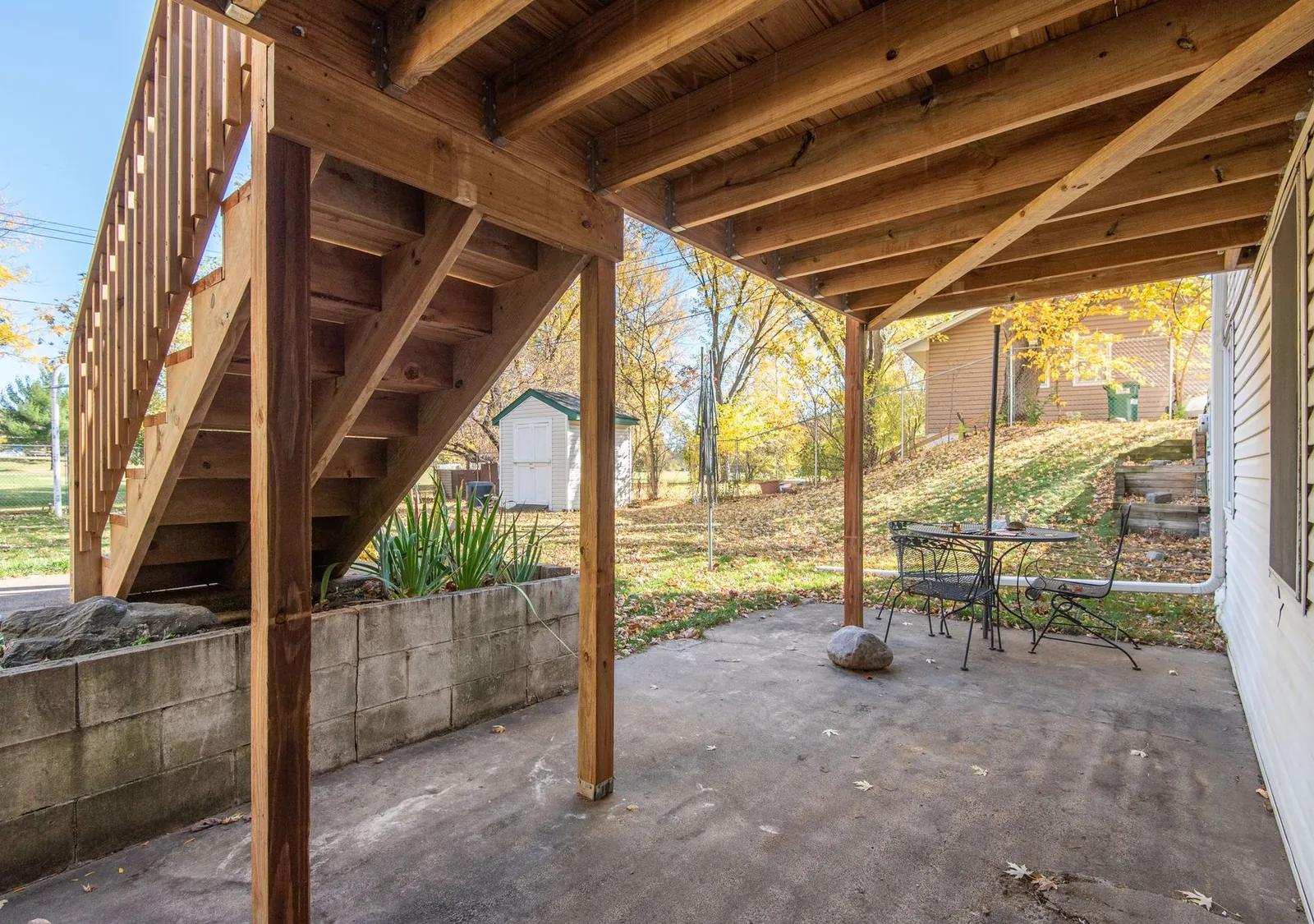
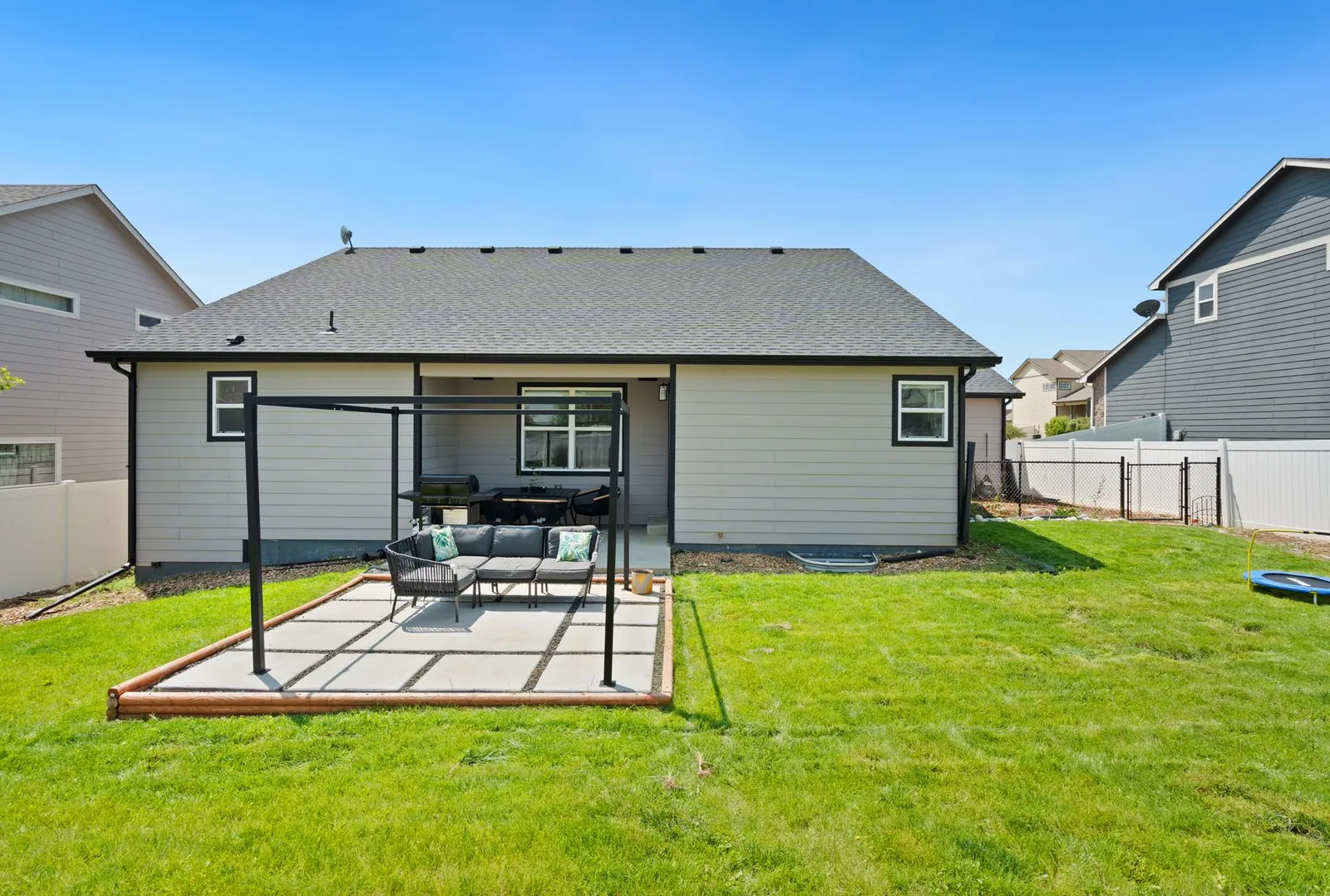
Example photos of this kind of concrete work.
How it works
How a patio job works
- 1
Lay out the space
The visit marks out the size, checks how the yard drains, and notes where the downspouts and the back door are.
- 2
Dig and base
The ground is dug out to depth, soft spots are removed, and a gravel base is compacted under the whole area.
- 3
Form, steel and pour
Forms are set so the slab falls away from the house, steel is propped up on chairs, and then the concrete is poured, screeded and given its finish.
- 4
Joints, cure and seal
Control joints are tooled or sawcut, the slab cures, and stamped or colored work is sealed once it is ready.
Questions
Concrete Patios FAQs
Why is my patio tipping toward the house?
Usually because the soil next to the foundation settled or stayed wet. Ground beside a house is often backfill from when the basement was dug, and it can keep compacting for years, especially in new subdivisions. Add a downspout emptying beside the slab and clay that heaves and shrinks, and the patio tilts back. A new patio needs that soil compacted or replaced and the water sent elsewhere.
What makes one patio cost more than another?
Size and finish lead, since stamped and colored concrete takes more labor and material than a broom finish. Removing an old patio, extra base work on soft ground, steps, a thickened area for a hot tub, and how far the concrete has to travel from the truck all add to it. Those details are what the estimate visit is for.
Will the city or my HOA have a say in a new patio?
Check two places. The city building office can tell you whether a patio of that size and location needs a permit, and an HOA, if you have one, may want to see the size, color and pattern first. Before any digging, 811 gets the underground lines marked, since gas and electric lines often cross backyards.
Will stamped concrete fade in the Utah sun?
Some, yes. Ultraviolet light at this elevation is strong, and dark, deep colors lose their richness fastest. Integral color mixed all the way through the concrete holds better than color applied only on top, and recoating it every two or three years with a sealer that blocks ultraviolet light keeps the surface from going chalky.
Can a hot tub go on a regular patio?
It can go on a patio planned for it. A filled hot tub is a heavy, concentrated load, so the area under it is typically thickened and reinforced, set on a well-compacted base and kept level rather than pitched. Mentioning the hot tub before the pour is far easier than reinforcing after.
Related work
You might also be planning
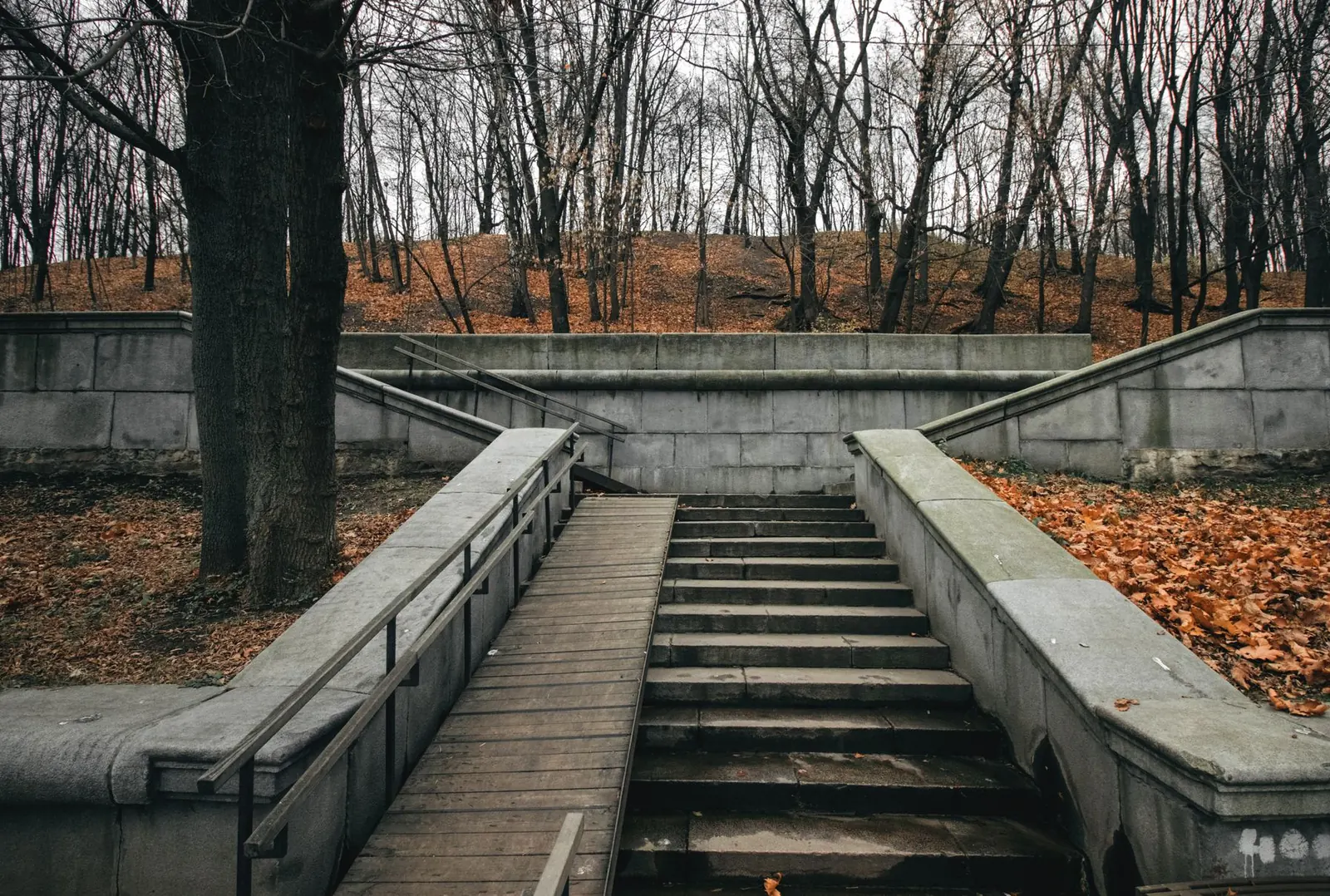
Sidewalks & Steps
Walkways, city sidewalk panels, steps and porches, with even risers and a finish that grips in ice season.
More on Sidewalks & Steps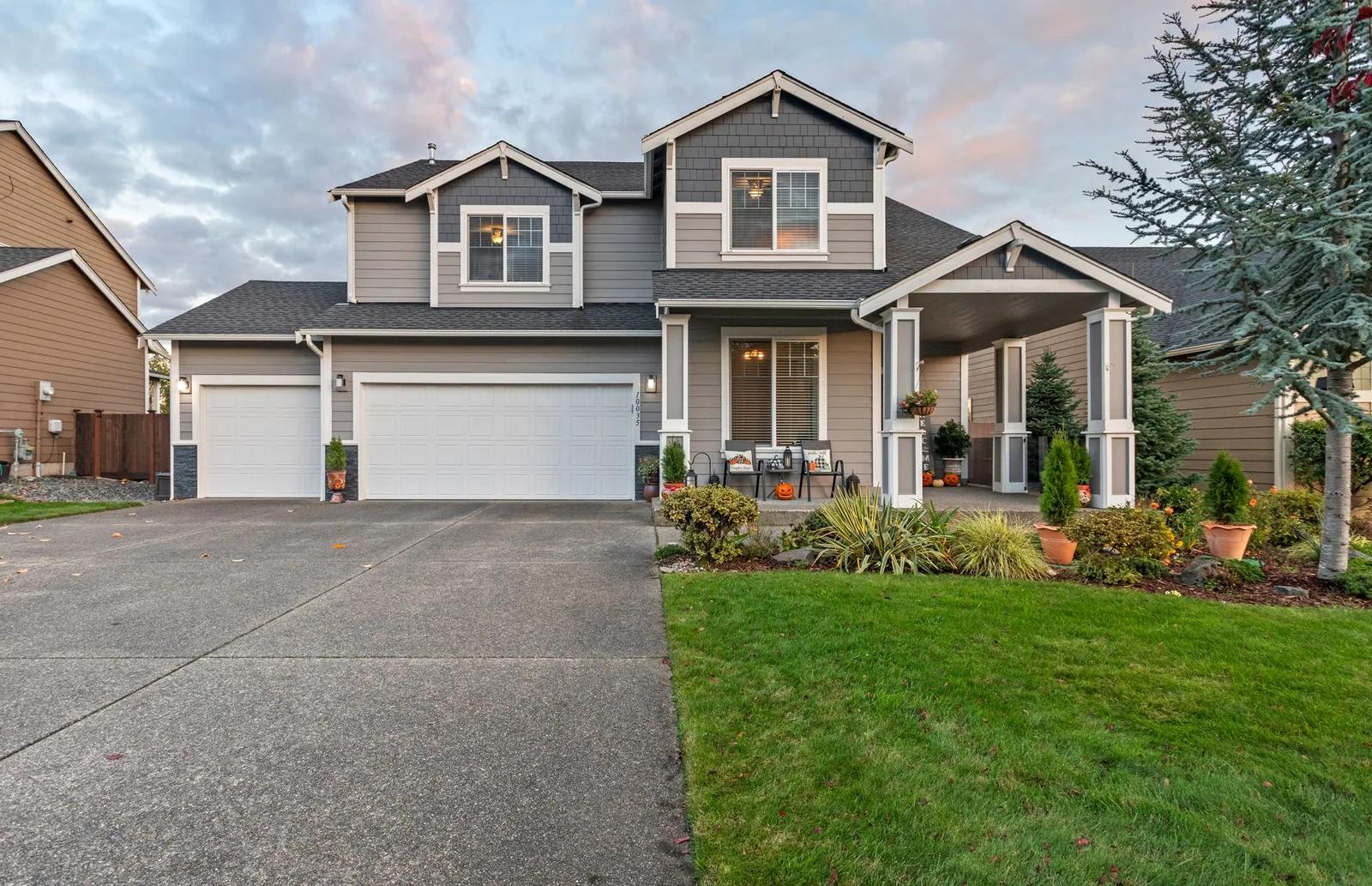
Concrete Driveways
New, replacement and extended driveways, with the base and slope matched to bench or lake-side ground.
More on Concrete Driveways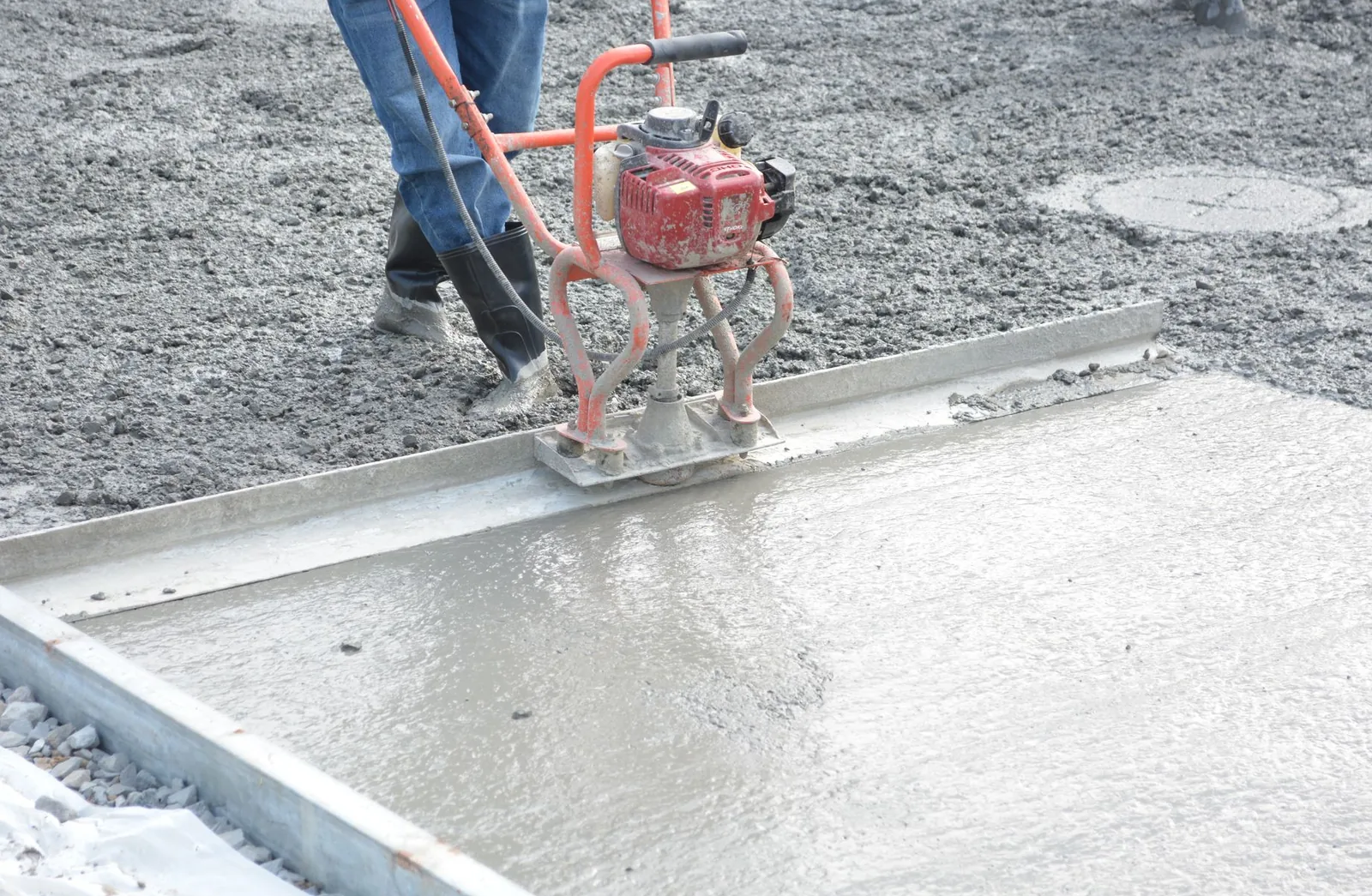
RV Pads & Slabs
RV and trailer pads, shop and shed slabs, and small equipment pads, thickened and reinforced for what sits on them.
More on RV Pads & Slabs
Where we work
Concrete Patios in these towns
We take requests for concrete patios in each town below, from North Salt Lake up to Brigham City.
Davis County
Weber County
Morgan County
Box Elder County
Ready to price your patio?
Give the town, what kind of concrete it is and roughly how big. You will get a phone call from the contractor about the job and a time to come see it.