Foundations · Concrete Davis County
Concrete Foundations & Footings in Davis County, UT
Footings and foundation walls for homes, additions, garages and shops. Ask for a free estimate.
Foundations & Footings across Davis, Weber and Box Elder counties
Free Foundation Estimate
Give the town, what kind of concrete it is and roughly how big. You will get a phone call from the contractor about the job and a time to come see it.
- Free estimates
- Residential and commercial
- Bench and lake-side lots
- All of Davis County
Town, type of job, rough size. That is all it takes.
Foundations & Footings
Concrete Foundations for Davis County, UT
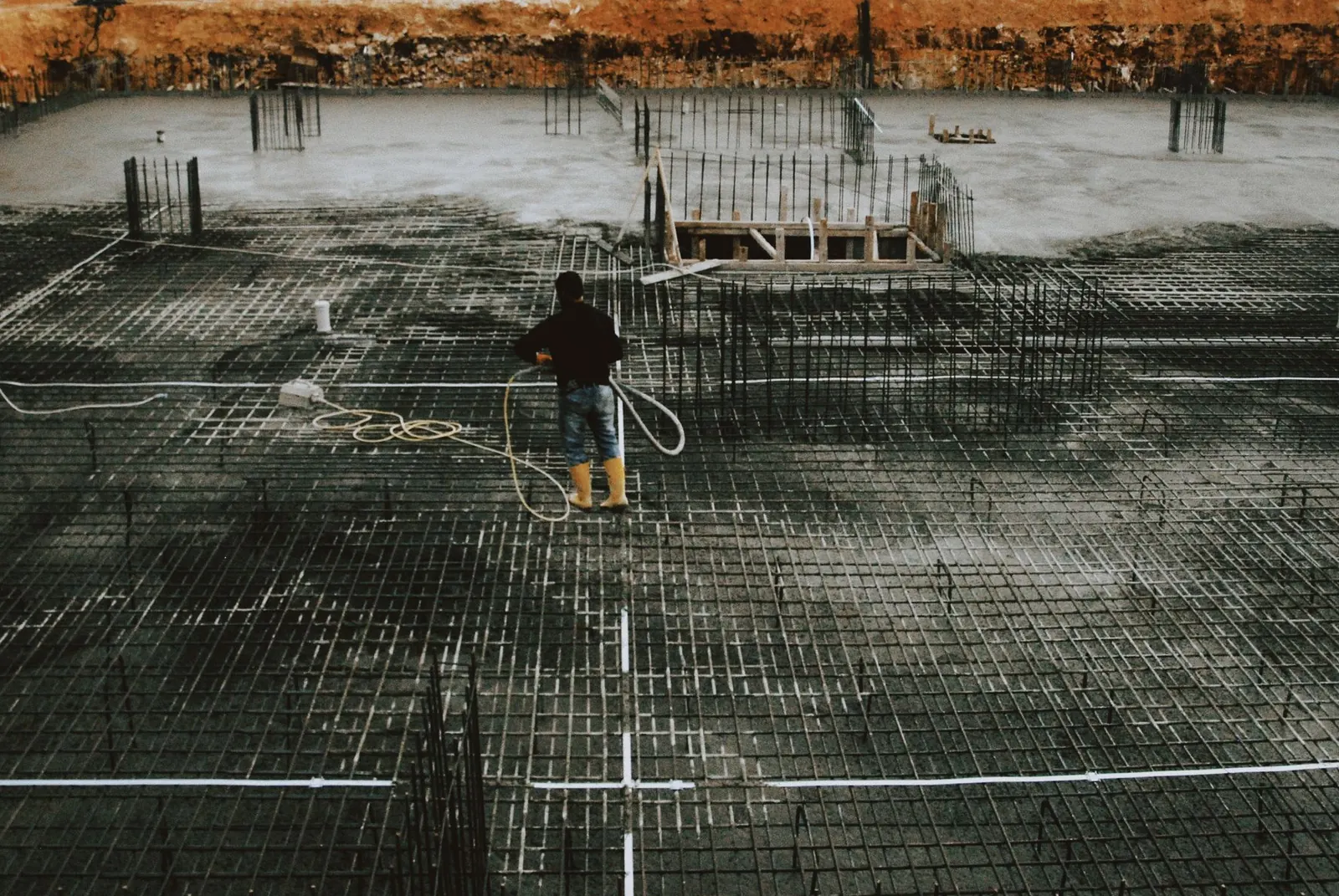
A foundation is the one piece of concrete you never see again, so the ground under it gets the most thought. Footings go below the frost line, which along most of the Davis and Weber valley floor sits around 30 inches; the mountain valleys and higher benches can need more, and the local building department has the final number. Footings bear on undisturbed or well-compacted soil, with rebar placed per the plans, and the walls on top are formed and poured to the engineer's drawings.
Davis County's two kinds of ground ask different things of a foundation. On a bench lot, the hole may be cut into a slope, footings may step down the hill, and the uphill wall has to resist soil and water pressing against it. On lake-side ground, the excavation may hit water sooner, and soft clay may need to be dug out and replaced before a footing goes in. Additions to older homes add a third question: how the new footing ties into one poured long ago. Foundation work also runs through winter, with blankets and protected ground.
What's included
What goes into foundations and footings
- 01
House foundations
Footings and poured concrete walls for new houses, built to the permitted plans.
- 02
Additions
Footings and walls for room additions, tied into the existing foundation with doweled steel.
- 03
Garage and shop foundations
Footings, stem walls and slabs for detached garages and shops, sized for the building and its doors.
- 04
Stand-alone footings
Footings for walls, columns and porch posts, set below frost on undisturbed or compacted ground.
- 05
Excavation and site prep
Digging, grading and compaction for the foundation, with soft or wet soil removed before forms go in.
- 06
Foundation repair
Sealing cracks, or cutting out and replacing damaged and settling sections, after the water problem behind them is found.
Ideas
Foundations & Footings: what they can look like
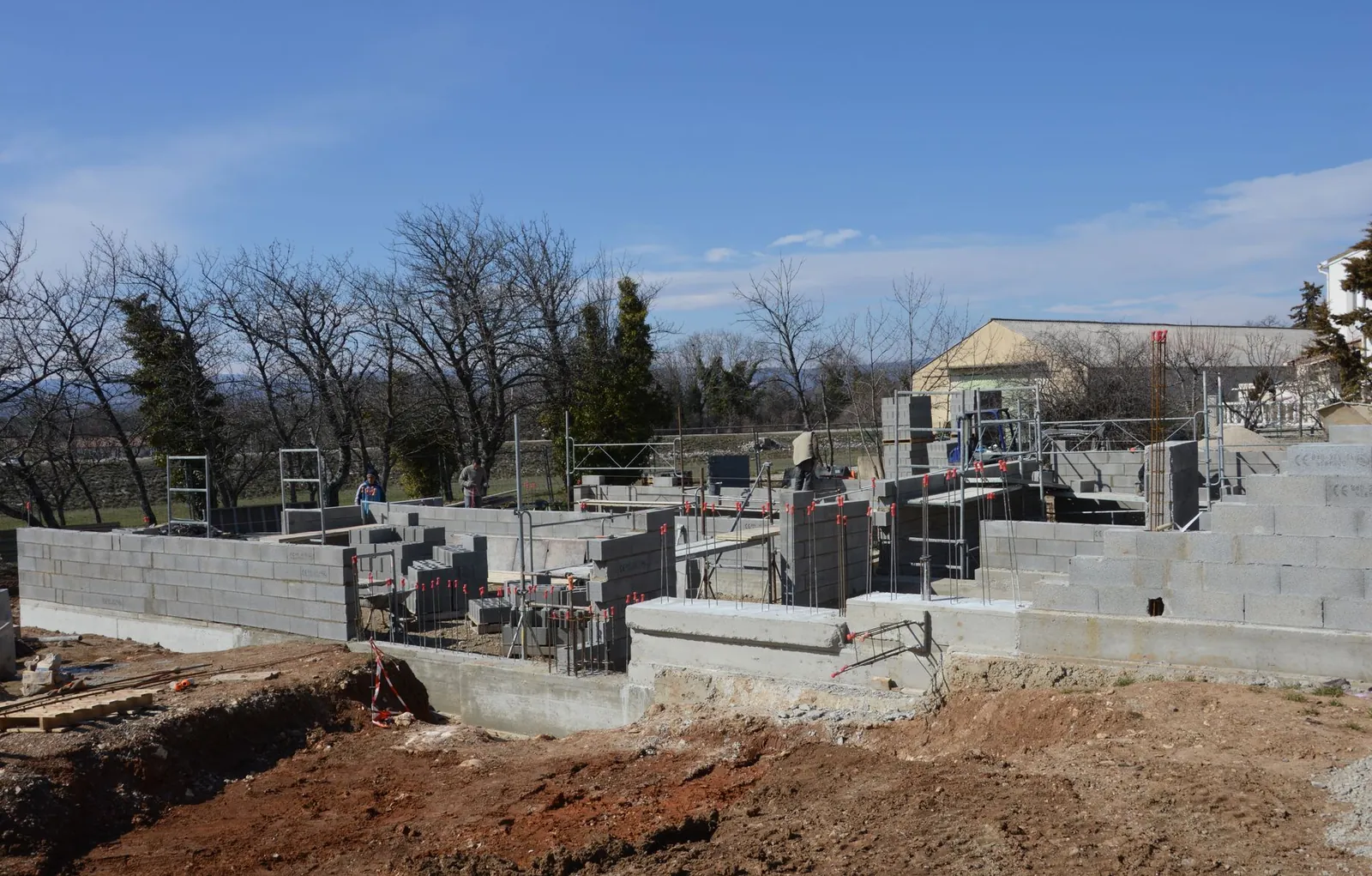
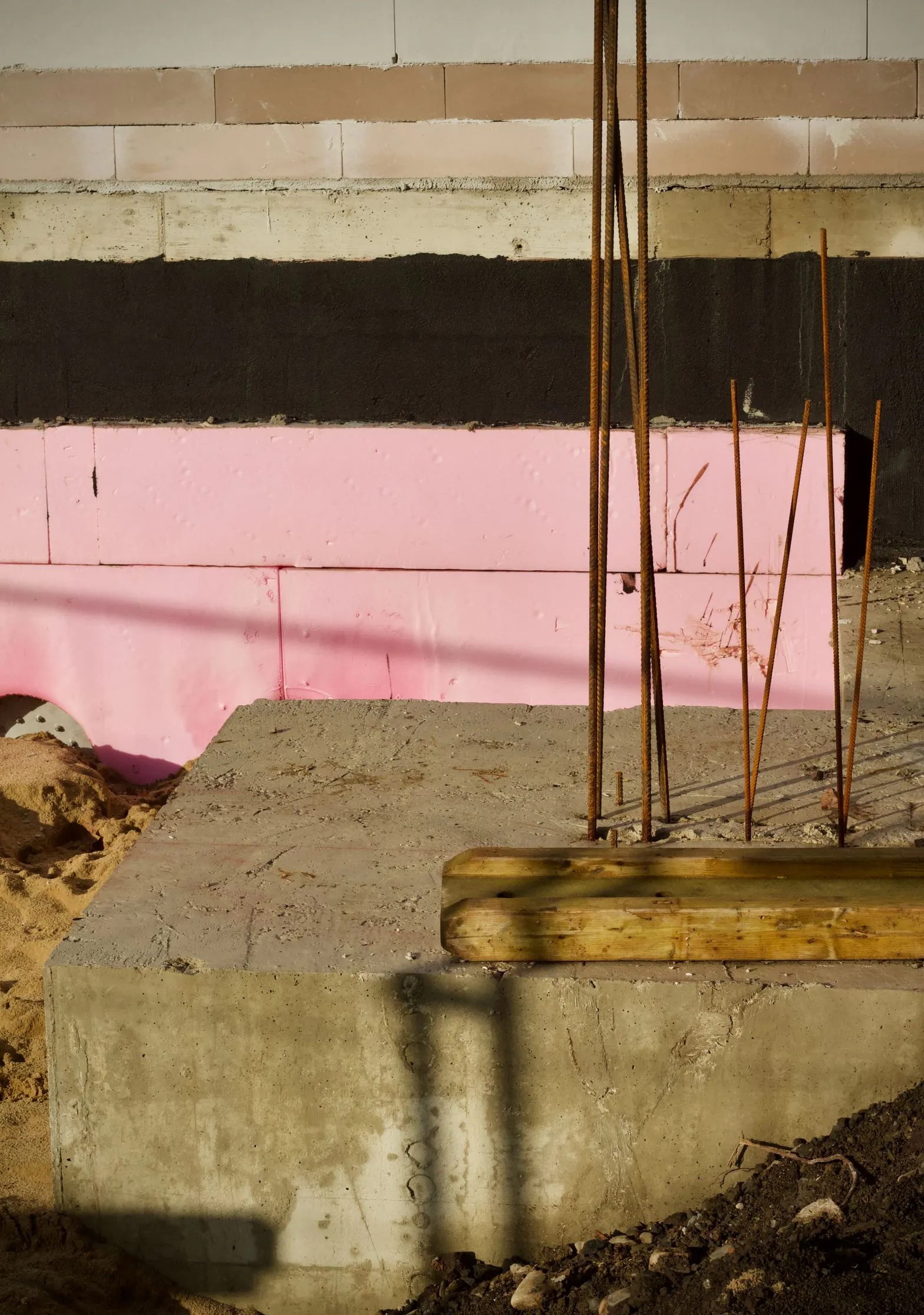
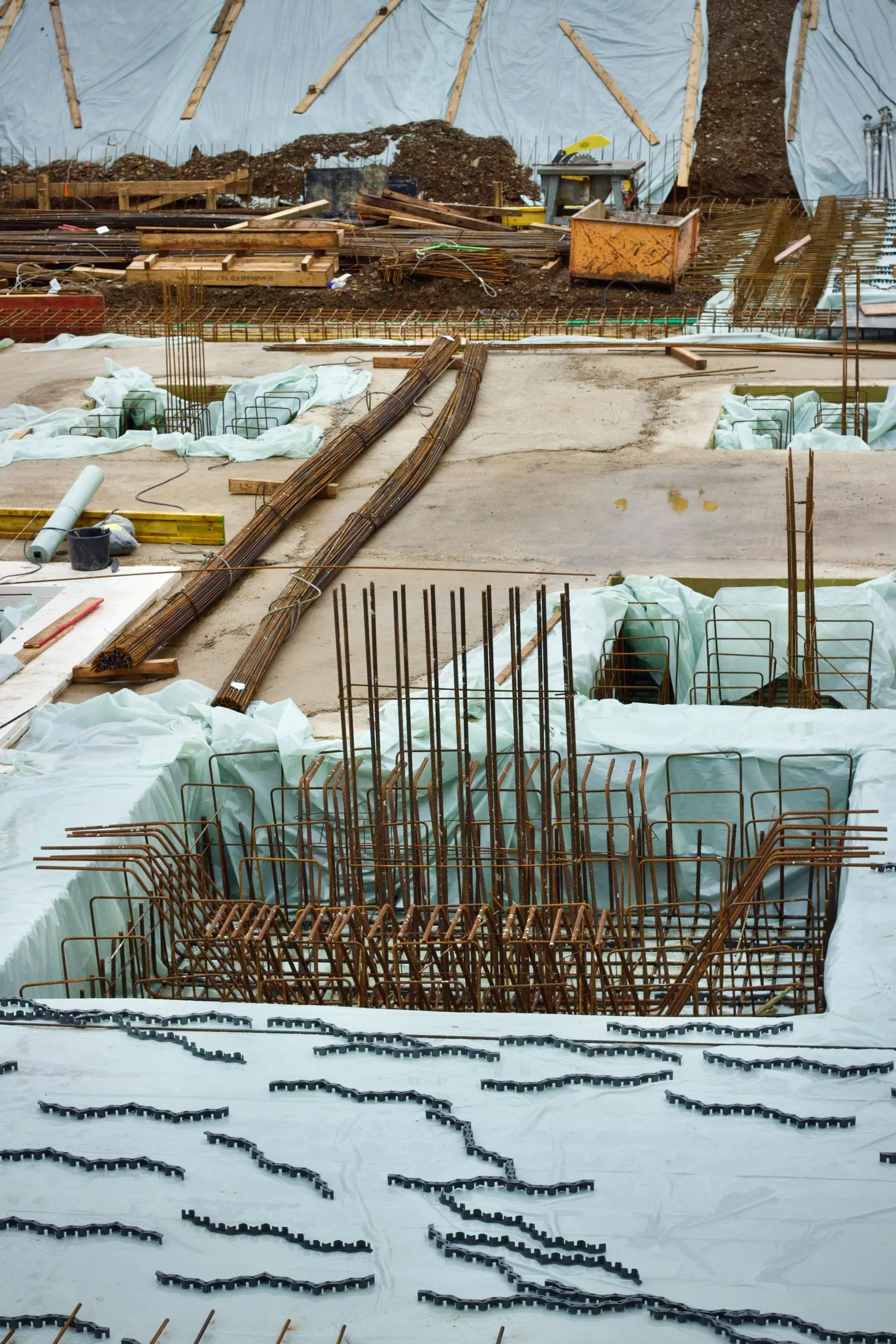
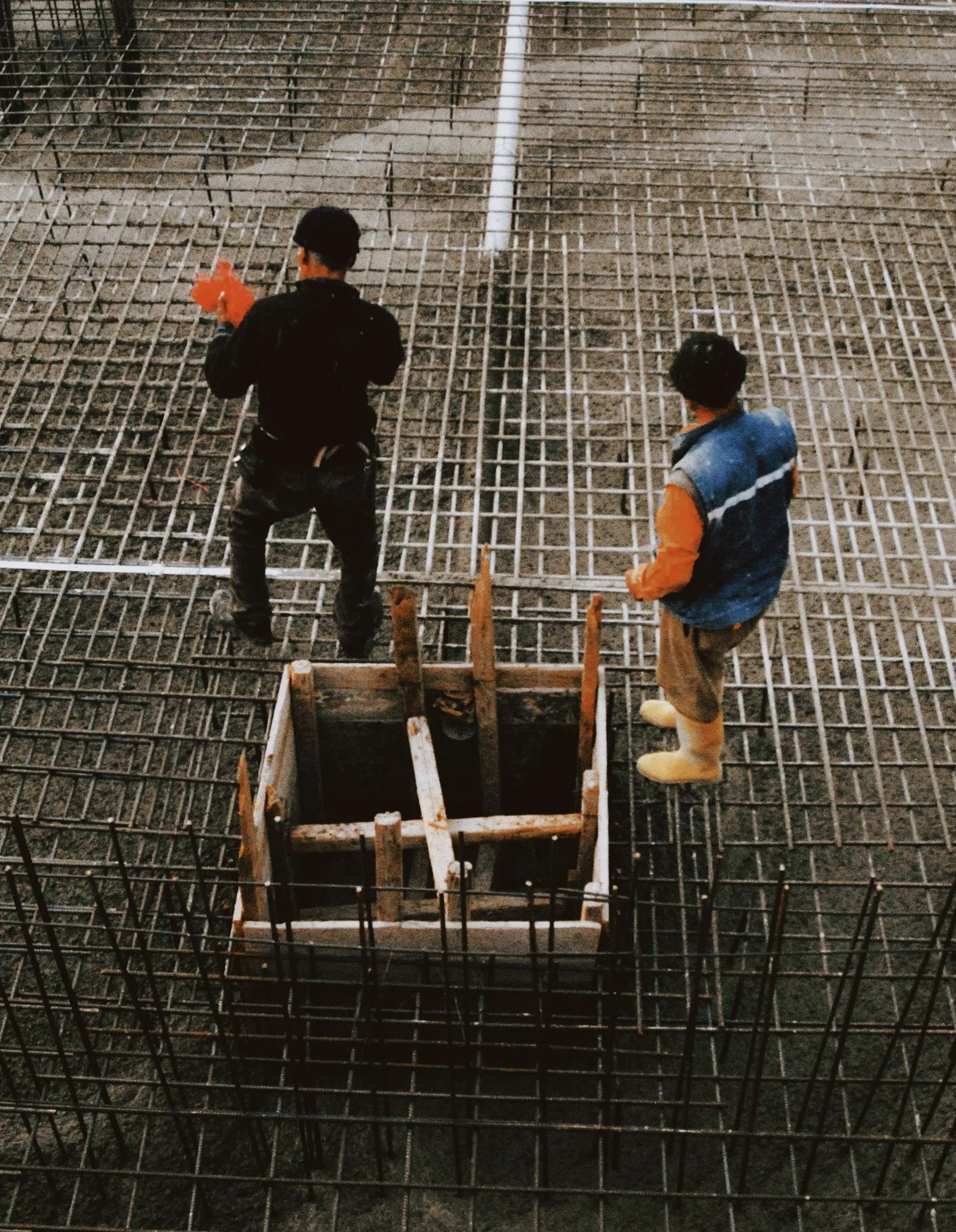
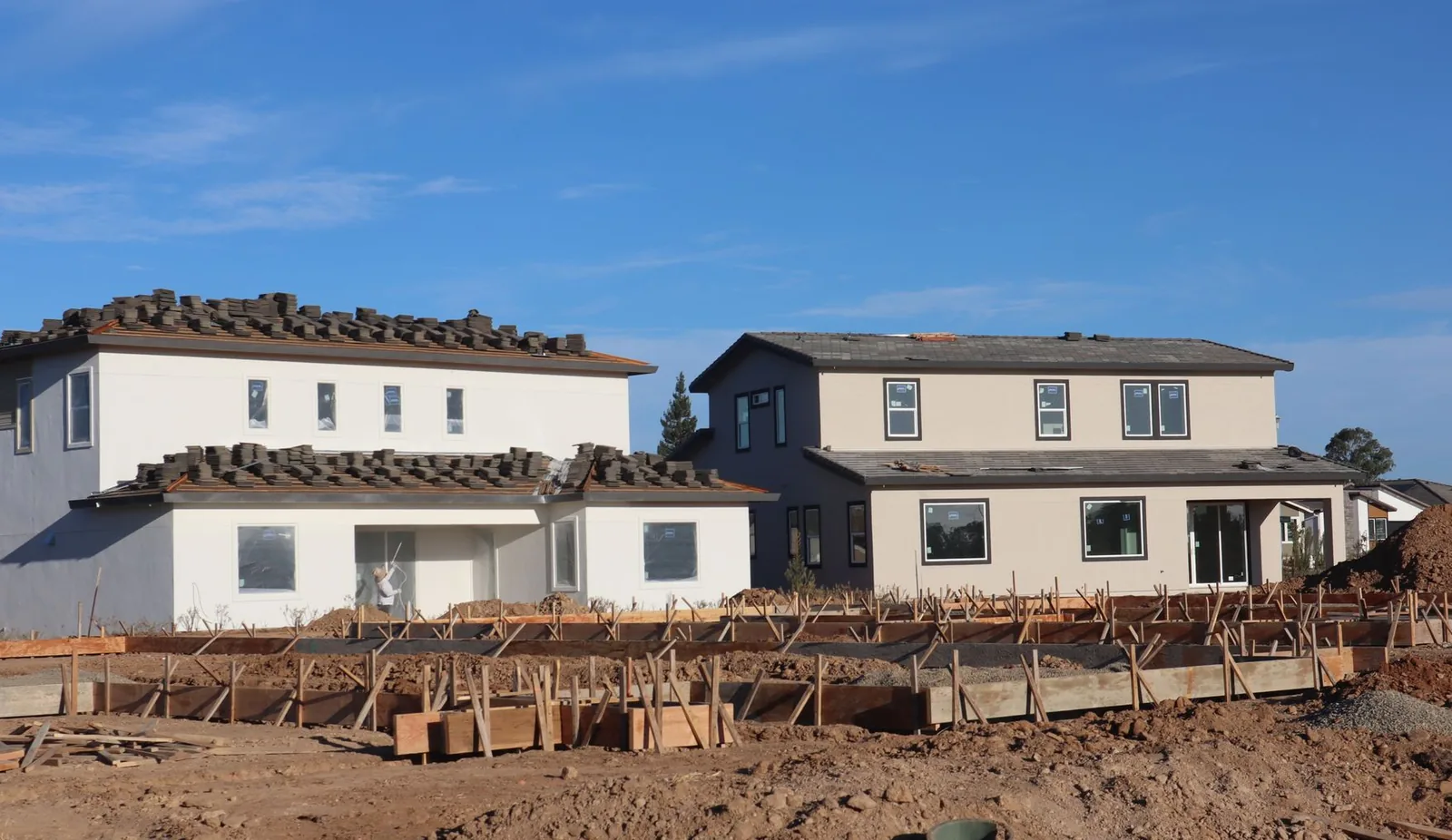
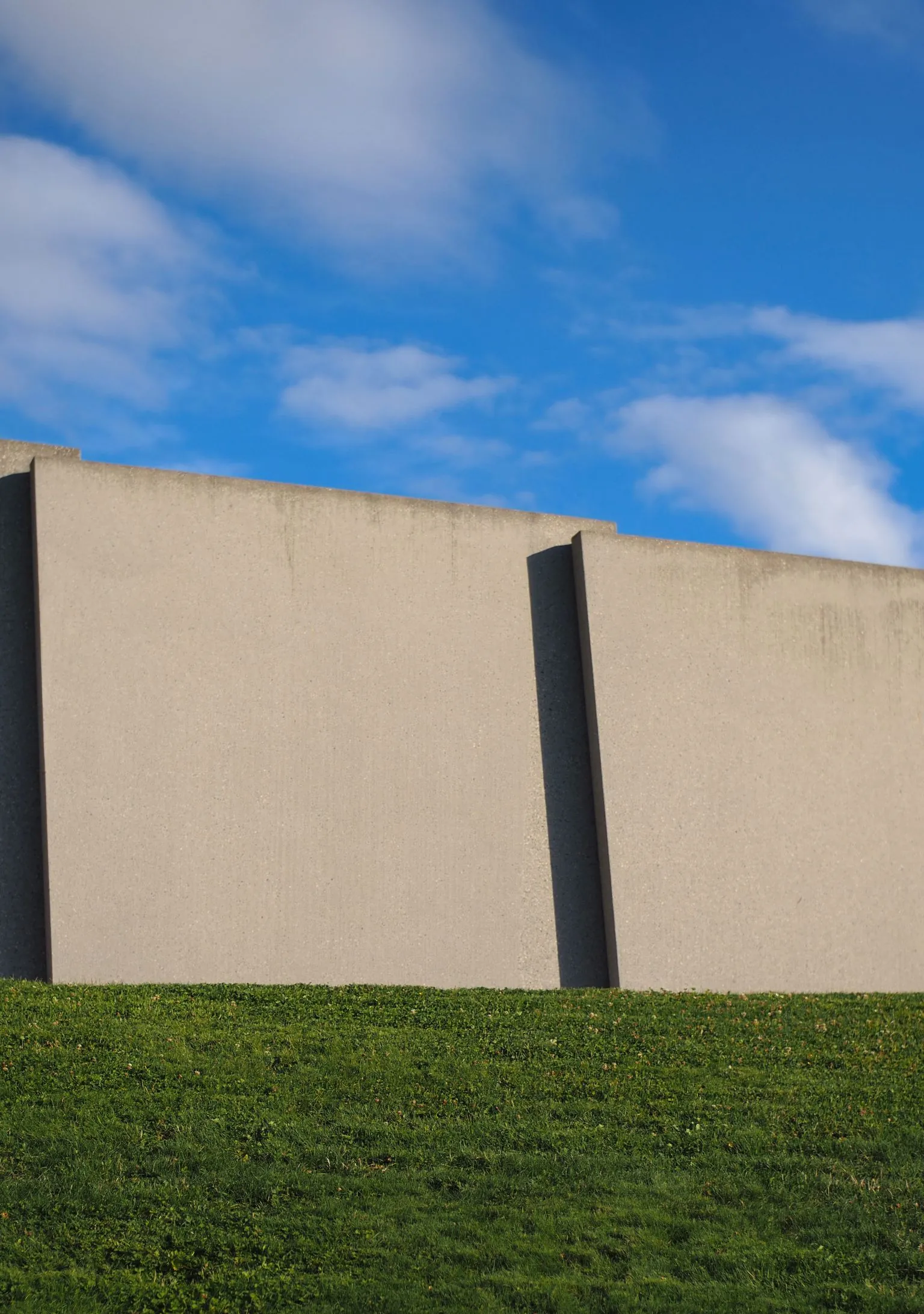
Example photos of this kind of concrete work.
How it works
How a foundation job works
- 1
Plans and permits
Foundation work starts from the plans and the building permit, which set the depth, the footing size and the steel.
- 2
Locate and dig
Utilities are marked through 811, then the excavation goes to depth and the bottom is checked for soft spots.
- 3
Footings, then walls
Footings are formed with steel and poured first; wall forms, rebar and any openings follow once the footings are ready.
- 4
Cure and backfill
Walls cure before backfill, and in cold weather the concrete is covered so it never freezes before it gains strength.
Questions
Foundations & Footings FAQs
How deep do footings need to be in Davis County?
Below the frost line, which is around 30 inches along most of the valley floor in Davis and Weber counties. The mountain valleys and higher benches can need more depth, and the building department for your city or county sets the exact number. A footing above frost depth can heave when the ground under it freezes.
What affects the cost of a foundation?
The size and shape of the building, footing depth, wall height, how much steel the plans call for and how hard the excavation is. A sloped bench lot or a wet hole on lake-side ground adds work, and so does winter protection. Plans make a foundation estimate more precise than a flatwork estimate, so have them on hand for the visit.
Do foundations need permits and inspections?
In nearly every case. New homes, additions, garages and shops go through the building department of the city, or the county for unincorporated land, which issues the permit and inspects the work at set stages. Many projects also need an engineer's design, and an 811 call gets buried lines marked before excavation.
Is a crack in my foundation a problem?
Not always. Thin, straight shrinkage cracks are common in poured walls. Cracks that widen over time, leak, or show up alongside doors that start sticking suggest the soil is moving, often because water is collecting at the foundation. The repair can be as simple as sealing a crack or as involved as replacing a section, and fixing grading and downspouts is part of either.
Can foundation work happen in winter?
Yes, with cold-weather practices. The subgrade is kept from freezing, concrete never goes onto frozen ground, and fresh footings and walls are covered with insulated blankets until they gain strength. Excavation and demolition also continue through winter, so foundation schedules here are less seasonal than driveway schedules.
Related work
You might also be planning
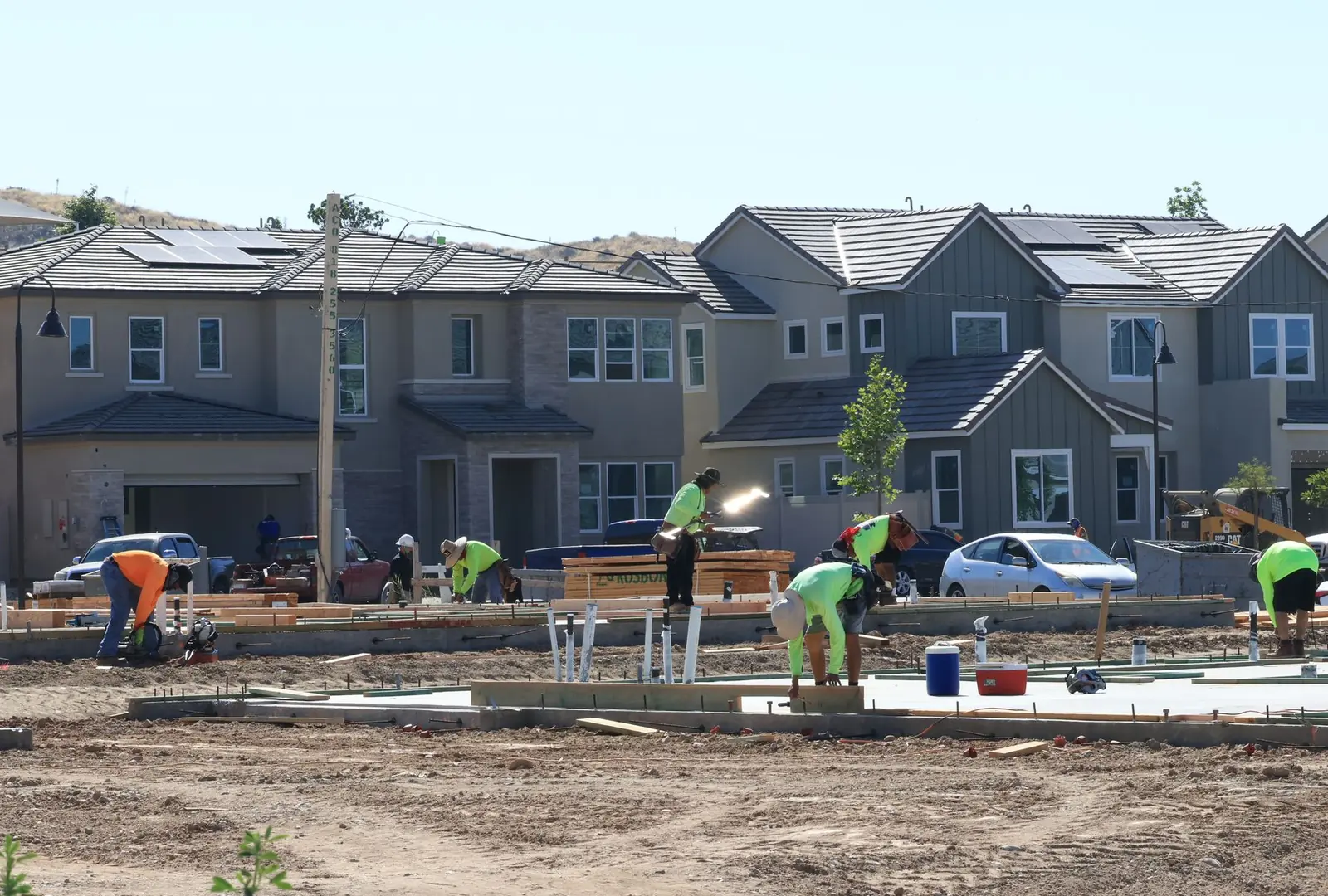
RV Pads & Slabs
RV and trailer pads, shop and shed slabs, and small equipment pads, thickened and reinforced for what sits on them.
More on RV Pads & Slabs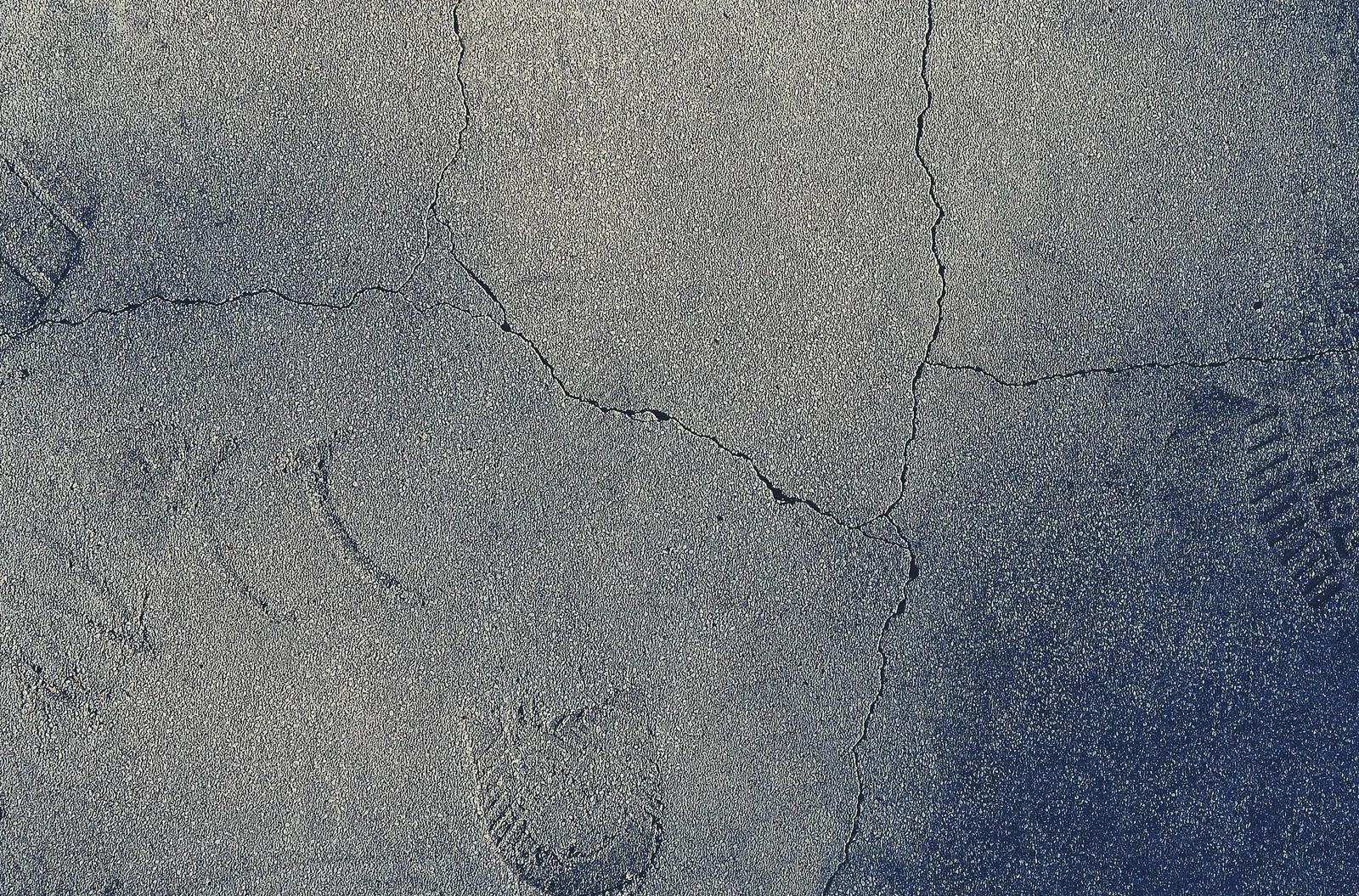
Concrete Repair & Replacement
Replacing broken or sunken concrete, or repairing it while the slab is still sound: leveling, cracks, resurfacing, sealing.
More on Concrete Repair & Replacement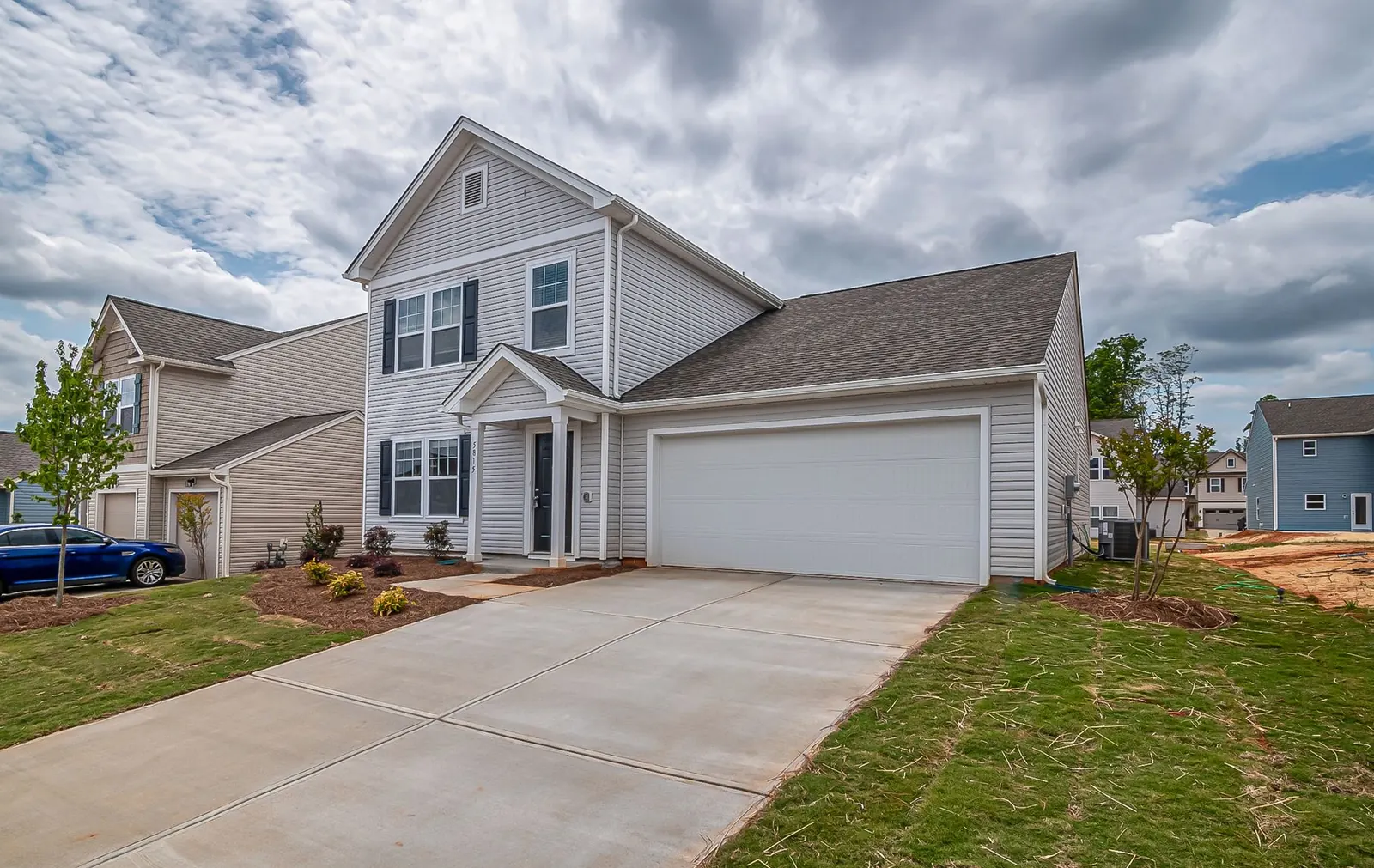
Concrete Driveways
New, replacement and extended driveways, with the base and slope matched to bench or lake-side ground.
More on Concrete Driveways
Where we work
Foundations & Footings in these towns
We take requests for foundations & footings in each town below, from North Salt Lake up to Brigham City.
Davis County
Weber County
Morgan County
Box Elder County
Ready to price your foundation?
Give the town, what kind of concrete it is and roughly how big. You will get a phone call from the contractor about the job and a time to come see it.