From the east bench to the lakeshore
Concrete Contractors in Davis County, Utah
Driveways, patios, walks, RV pads, foundations and replacements, bench lots to lake lots. Ask for a free estimate.
North Salt Lake to West Point, plus nearby Weber, Morgan and Box Elder towns
Request a Free Concrete Estimate
Give the town, what kind of concrete it is and roughly how big. You will get a phone call from the contractor about the job and a time to come see it.
- Free estimates
- Residential and commercial
- Bench and lake-side lots
- All of Davis County
Town, type of job, rough size. That is all it takes.
Concrete, county-wide
Six kinds of concrete work, anywhere in the county
Each page explains how the job changes between a bench lot and a lake-side lot, and between an older house and a new build.
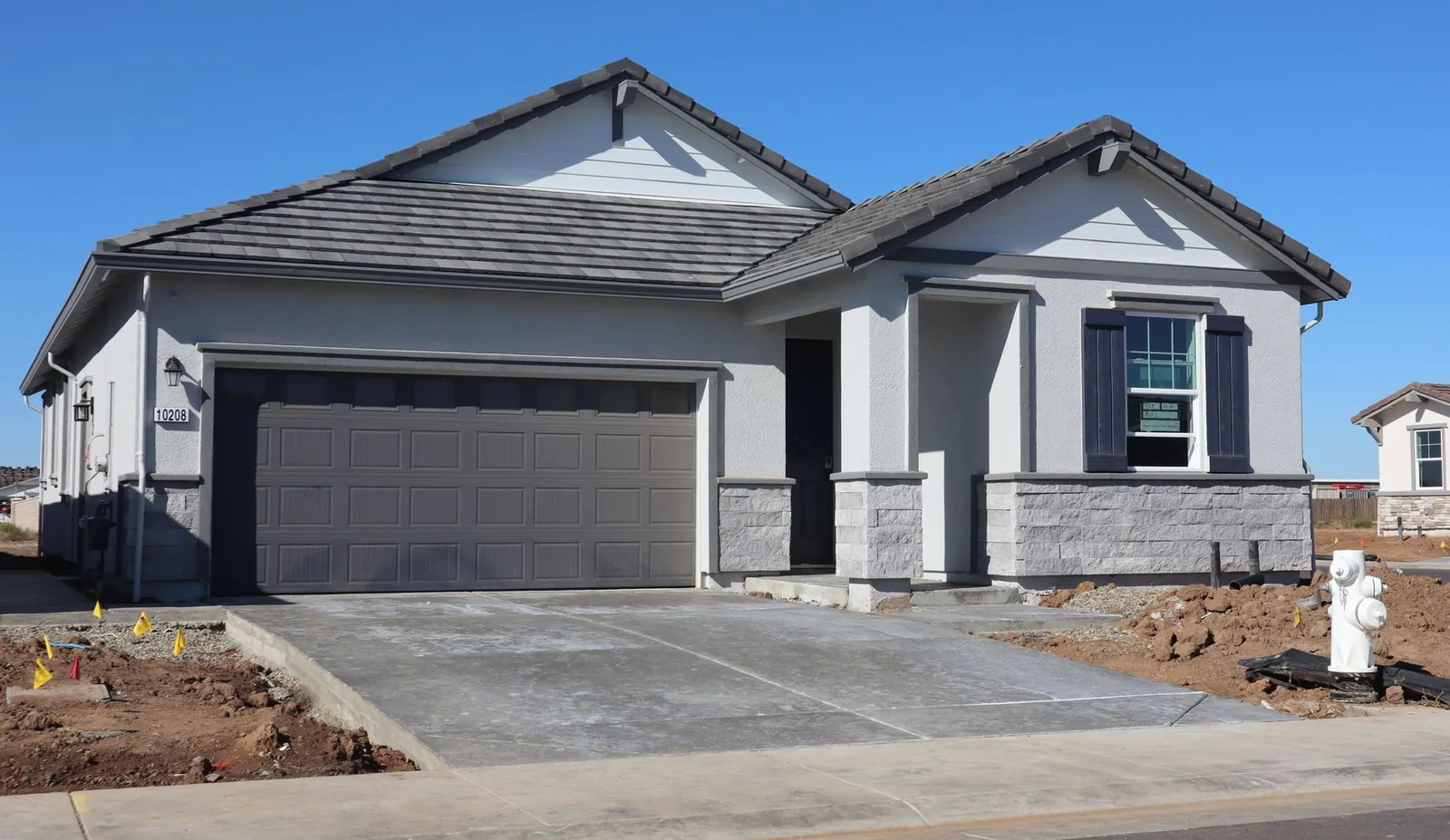
Concrete Driveways
New, replacement and extended driveways, with the base and slope matched to bench or lake-side ground.
More on Concrete Driveways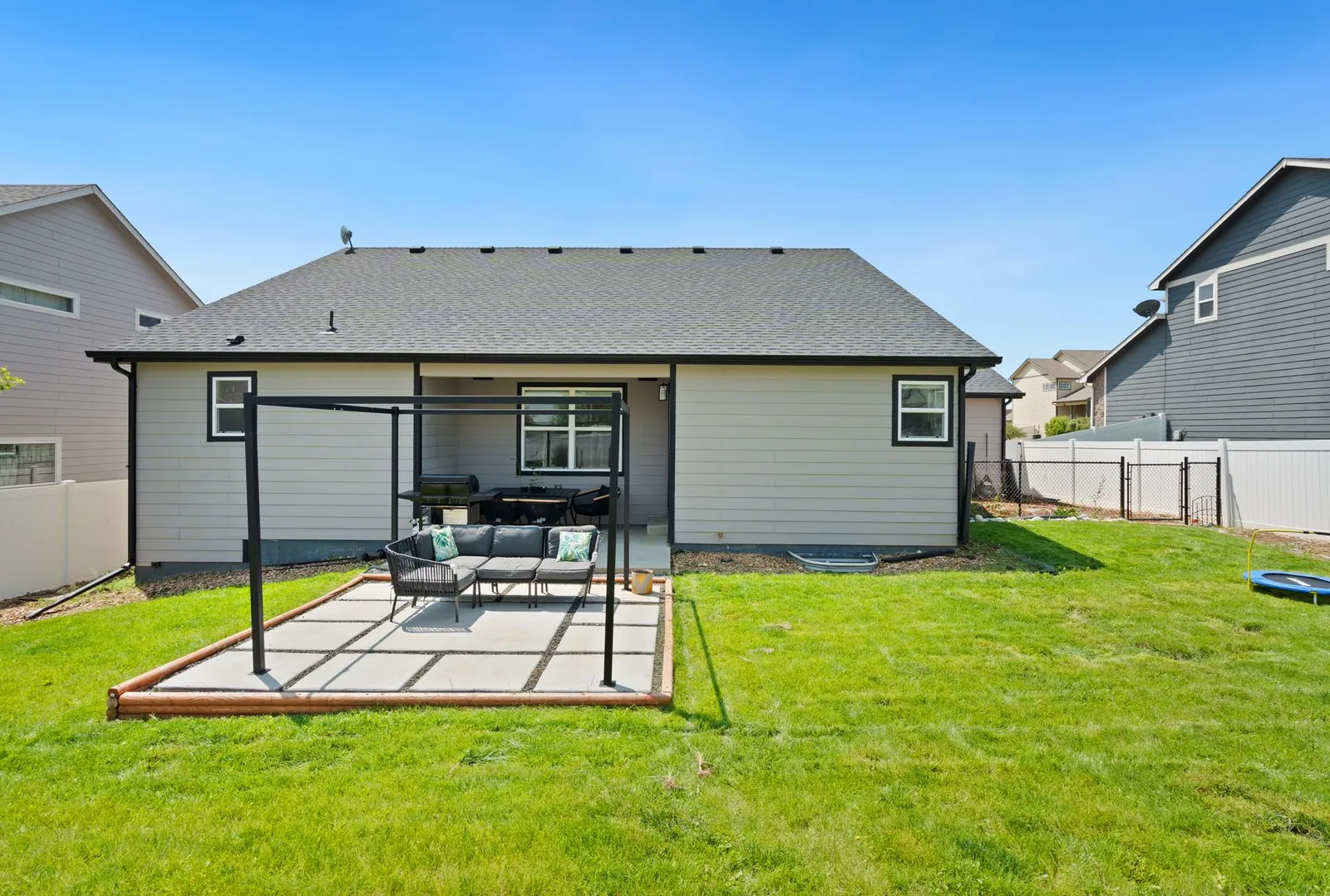
Concrete Patios
New and extended back patios, plain or stamped, sloped away from the house and set on a base that suits the lot.
More on Concrete Patios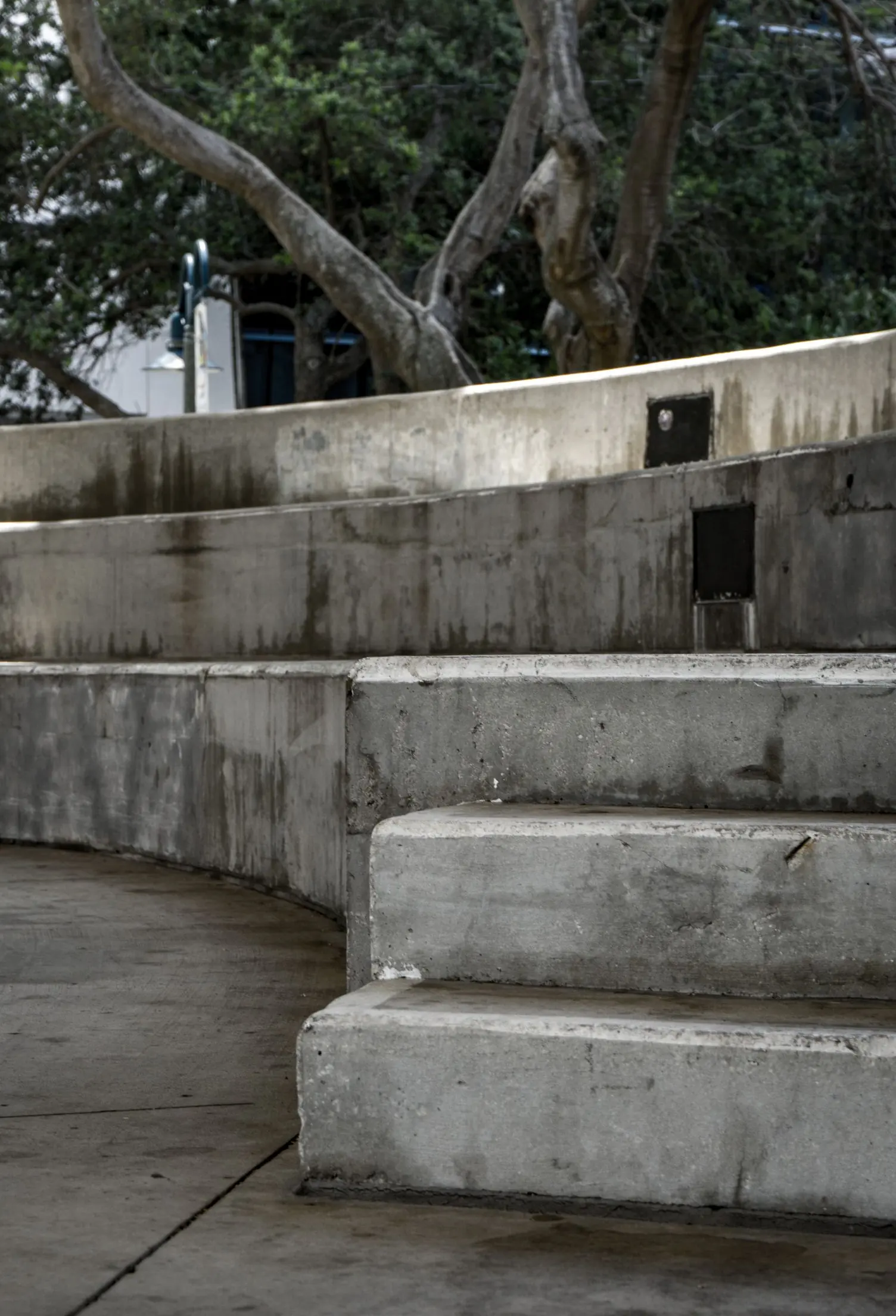
Sidewalks & Steps
Walkways, city sidewalk panels, steps and porches, with even risers and a finish that grips in ice season.
More on Sidewalks & Steps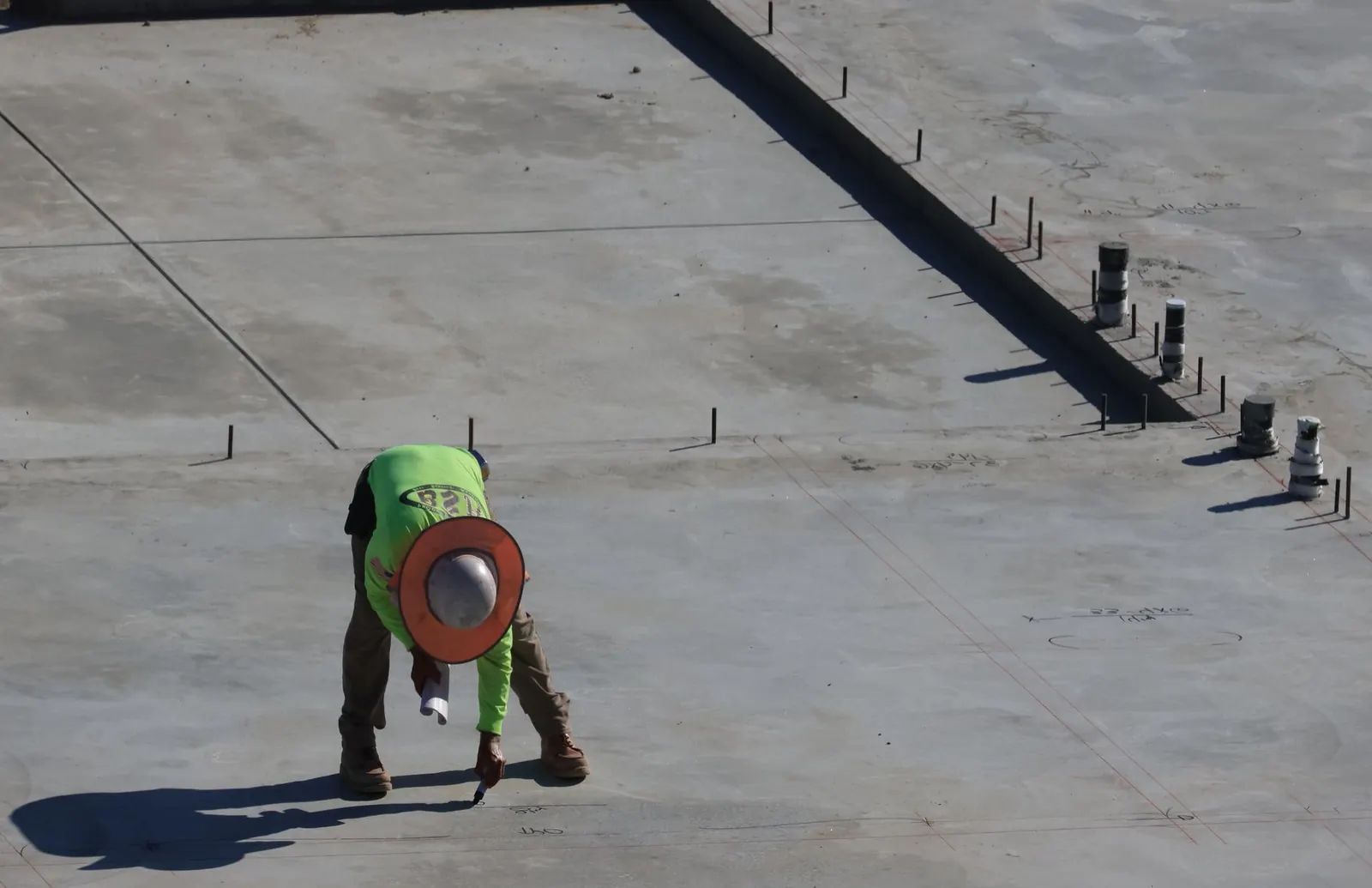
RV Pads & Slabs
RV and trailer pads, shop and shed slabs, and small equipment pads, thickened and reinforced for what sits on them.
More on RV Pads & Slabs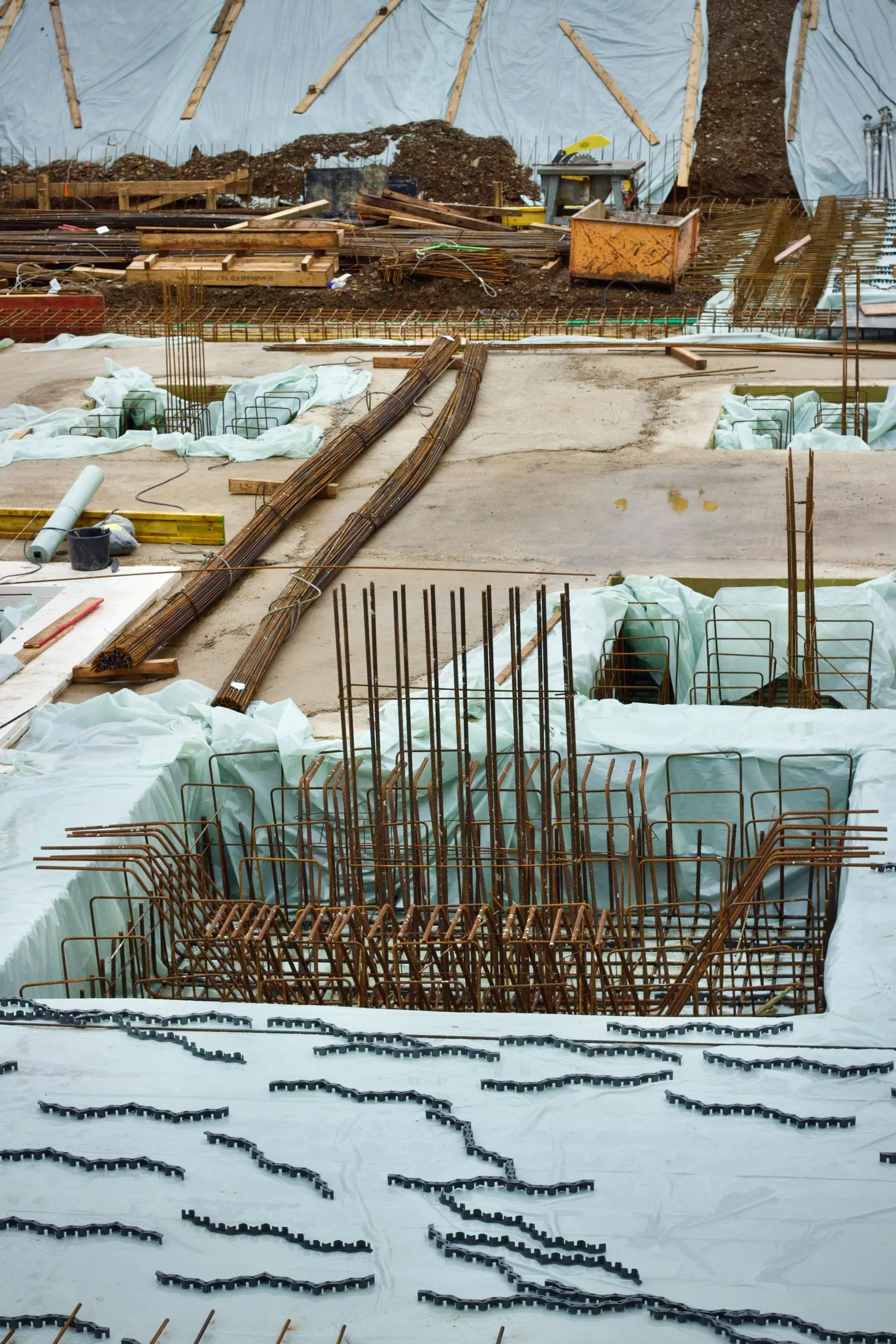
Foundations & Footings
Footings and foundation walls for houses, additions, garages and shops, poured below frost and to the plans.
More on Foundations & Footings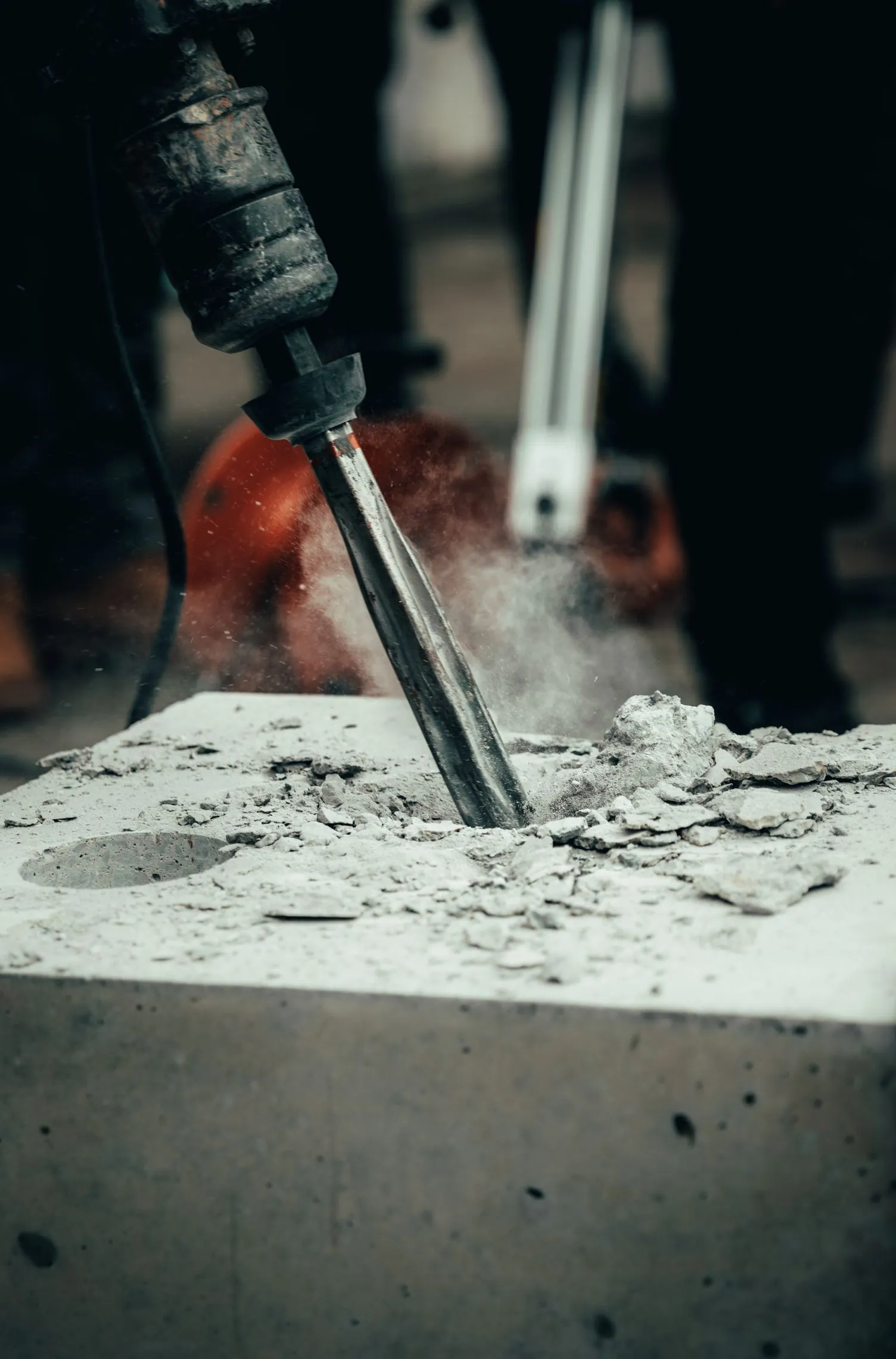
Concrete Repair & Replacement
Replacing broken or sunken concrete, or repairing it while the slab is still sound: leveling, cracks, resurfacing, sealing.
More on Concrete Repair & Replacement
Ideas
Examples of the work, from driveways to footings
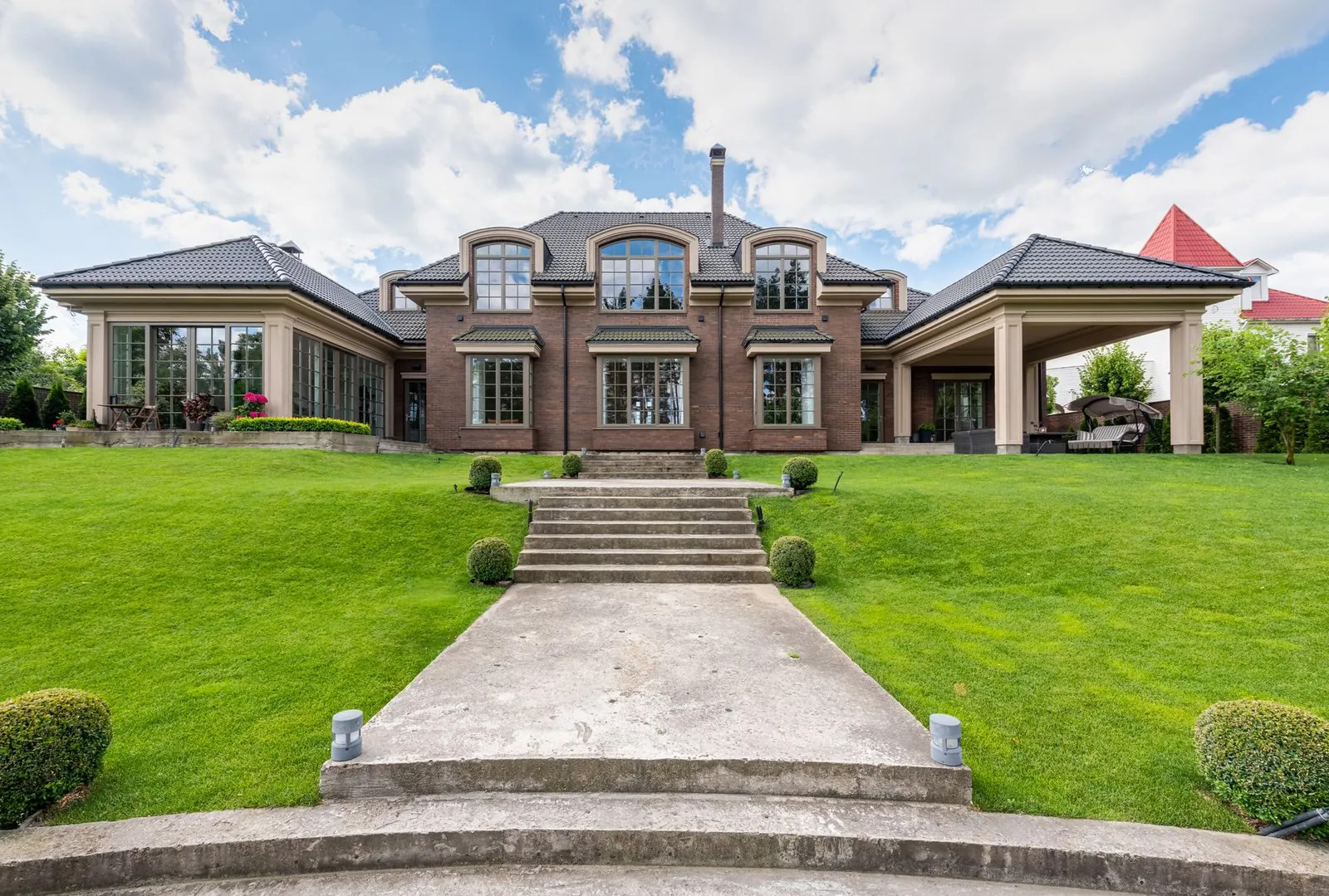
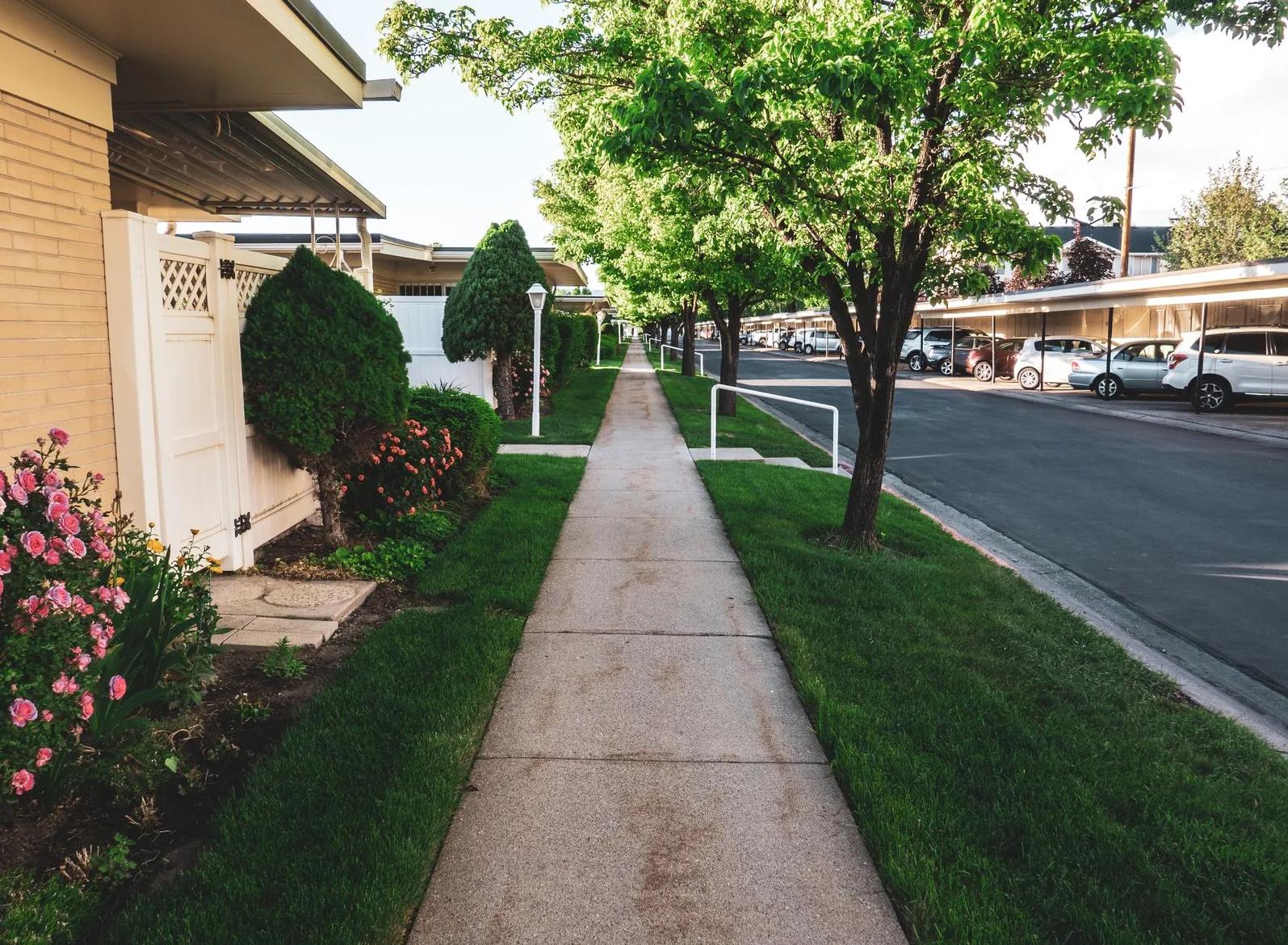

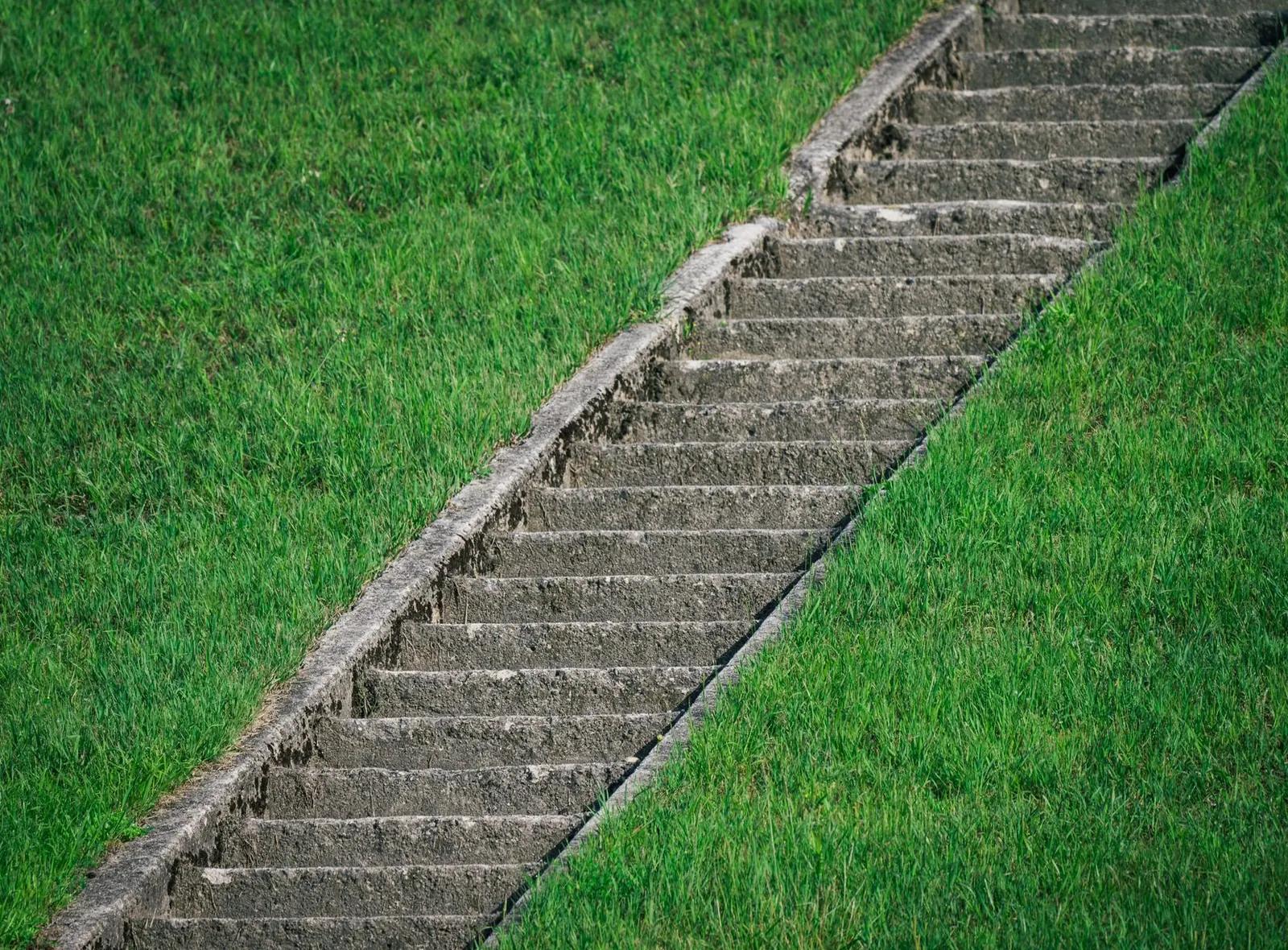
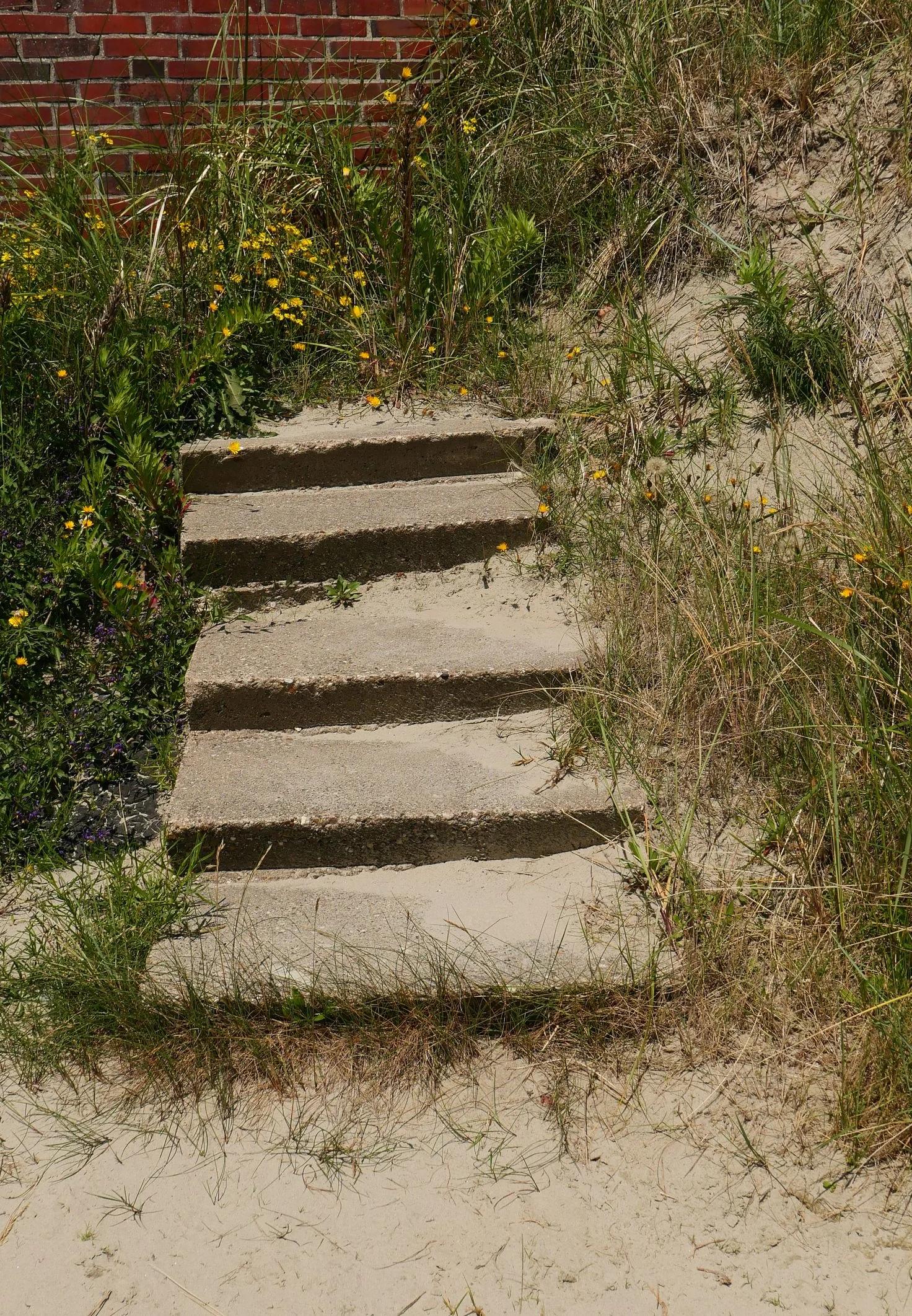
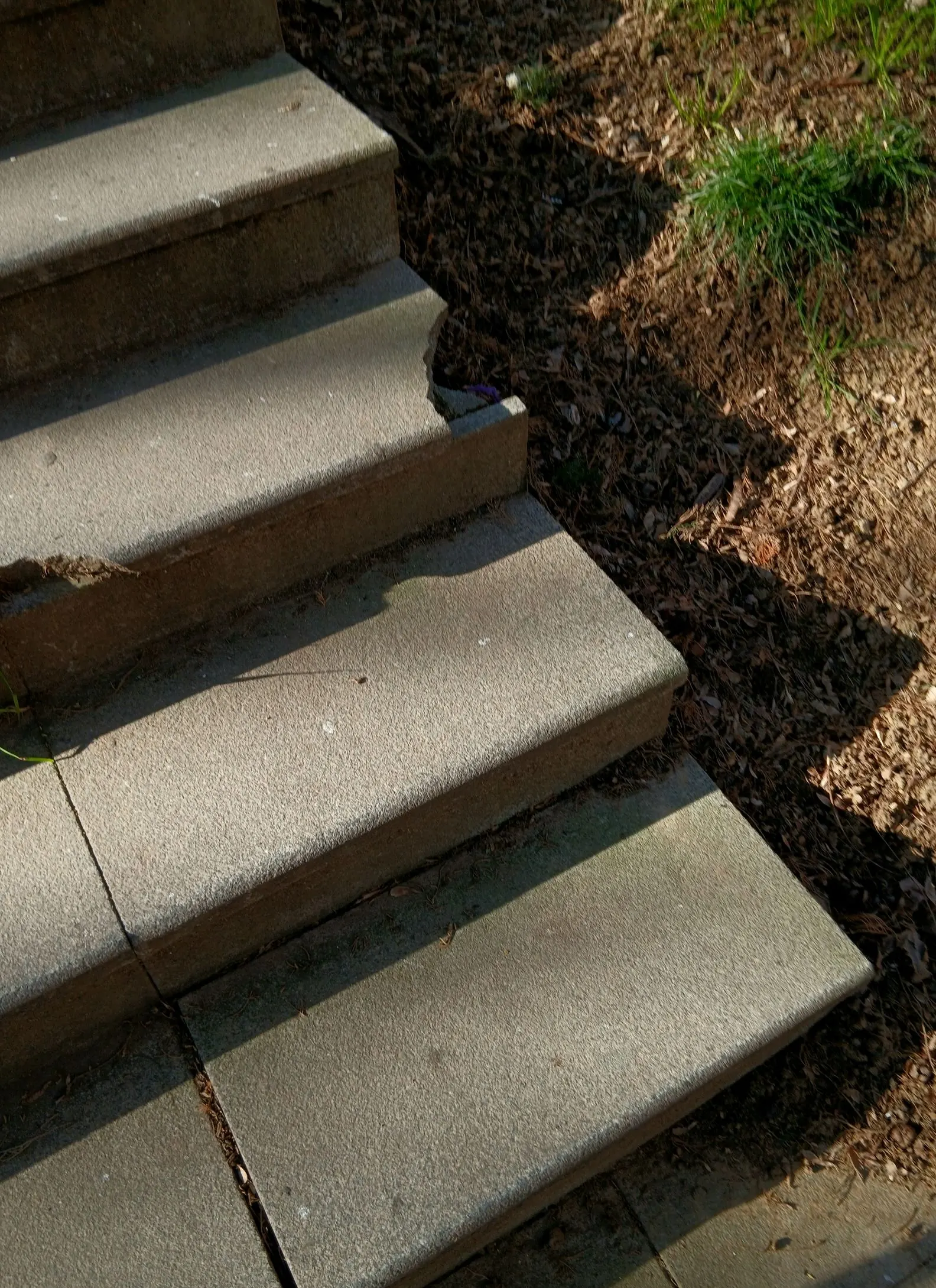
Example photos of this kind of concrete work.
One county, two kinds of ground
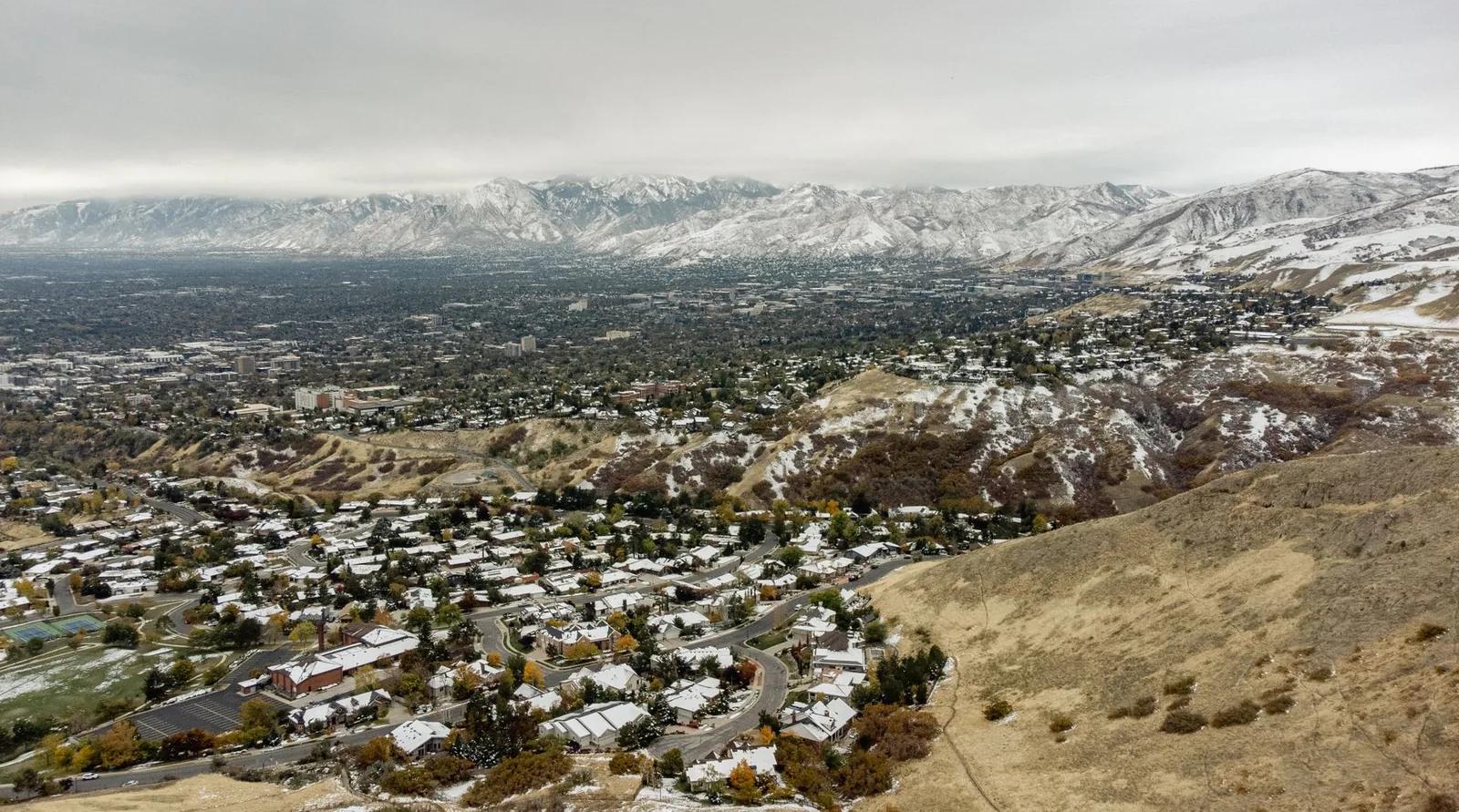
Davis County is a narrow strip of land pinned between the Wasatch and the Great Salt Lake, running from North Salt Lake and Bountiful up through Centerville, Farmington, Kaysville and Layton to Clearfield, Syracuse, West Point and the neighborhoods around Hill Air Force Base. Cross it from east to west and you cross two different kinds of ground to build on. Up against the mountains, lots sit on sand and gravel that washed out of the canyons and settled along the old shorelines of Lake Bonneville. Down toward the lake, the ground is the fine silt and clay of that same lake's old bottom, flat and slow to drain.
The difference shows up in what a job needs. On a bench lot the ground drains well, so the questions are about slope: how steeply a driveway can climb, where runoff from the street and the hill above will go, and whether a cut bank needs holding back. The east benches also catch the occasional canyon windstorm, which can pull water out of fresh concrete faster than a finisher can work it. On a lake-side lot the questions move underground. Clay swells when it is wet and shrinks when it dries, groundwater often sits close to the surface, and a slab poured straight onto that rises and drops with the seasons.
Age matters as much as location. Older neighborhoods in Bountiful, Centerville and the original parts of Layton have driveways and walks that have taken many winters of salt and frost, plus roots from trees that were saplings when the concrete went in. Those jobs tend to be tear-outs and replacements. Newer subdivisions on the west side were farm fields not long ago, and the fill dirt under their yards can go on sinking long after move-in day, which is why those jobs lean toward extensions, back patios, RV pads and fixing slabs that sank. We cover all of it, and north and east into Weber, Morgan and Box Elder counties.
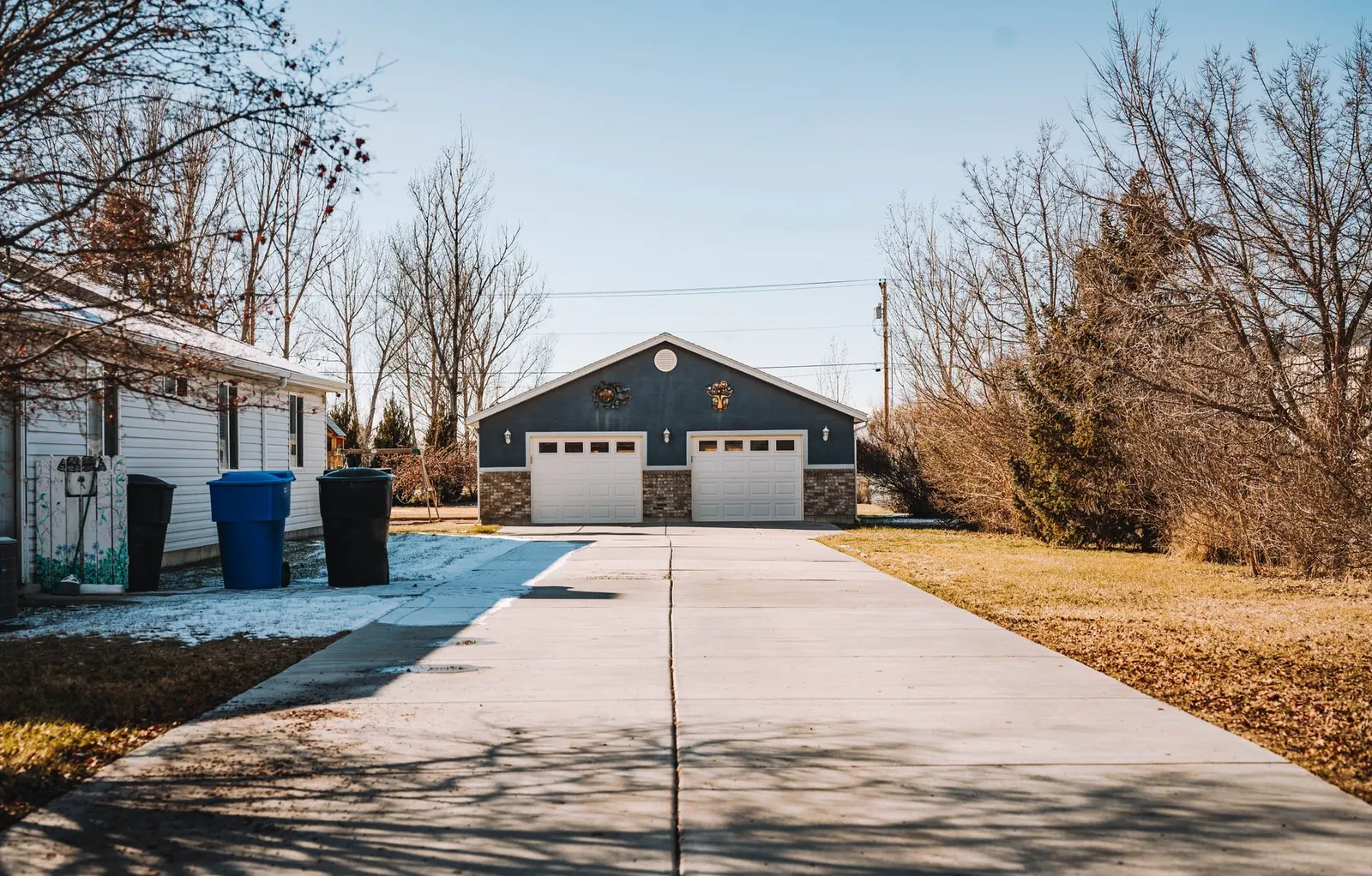
Questions
Questions people in Davis County ask about concrete
How does concrete survive a Davis County winter?
It survives when it is built for one. That means an air-entrained mix that resists surface scaling, control joints placed so cracks land in straight lines instead of wandering across the middle, and enough slope that water runs off before it can freeze in place. A penetrating sealer slows salt down, and keeping de-icer away from new concrete until it has been through a winter gives it time to toughen.
Do I need a permit, an HOA sign-off or a utility locate first?
Often at least one of the three. A new approach or curb cut in the street right-of-way takes a permit from the city, each Davis County city runs its own building and engineering office, and unincorporated land goes through the county. Many newer subdivisions have an HOA that wants to see materials and colors before work starts. Before anyone digs, a call to 811 has Blue Stakes of Utah mark the buried lines.
What decides the cost of a concrete job here?
Size and thickness come first, then everything around them. Tearing out and hauling off old concrete adds work, as does soft lake-side ground that needs digging out and a deeper gravel base, or a steep bench lot that needs more forming and stepping. Steel, finish, access for the truck and any permit round it out, which is why the estimate comes after someone has seen the site.
Which towns do you cover?
All of Davis County: North Salt Lake, Woods Cross, West Bountiful, Bountiful, Centerville, Farmington, Fruit Heights, Kaysville, Layton, Syracuse, Clearfield, Clinton, Sunset, West Point and South Weber. We also take work in Weber County, from Roy, Riverdale and Ogden to North Ogden, Plain City and the Ogden Valley, plus Morgan and Mountain Green, and Brigham City, Perry and Willard in Box Elder County.
When can concrete be poured, and how long does a job take?
Flatwork season, meaning driveways, patios and walks, runs from the spring thaw until hard frosts return in the fall. Footings, foundations and tear-outs keep going through winter, with blankets over the subgrade and the fresh concrete and never a pour onto frozen ground. A typical driveway replacement is removal and prep, a pour day, then about a week before you park on it.
My house is on the bench. Is that better or worse for concrete than the lake side?
Neither, just different. Bench ground drains well and seldom heaves, but slopes, cut banks and runoff from above make forming and drainage the hard part, and canyon winds complicate curing. Lake-side ground is flat and easy to form on, but its clay and shallow groundwater mean the base under the slab decides how long the slab lasts.
Should I repair my old concrete or replace it?
It depends on what failed. Surface scaling or a few hairline cracks on a slab that is still flat can often be repaired, resurfaced or sealed. Sections that have sunk, heaved or broken into pieces usually mean the base underneath gave out, and those get sawcut out and replaced, sometimes only the bad panels rather than the whole driveway.
Good to know
Notes from both sides of I-15
Bench lots: plan for the water
Gravel ground drains, but the hill above you keeps sending water down. Before a driveway or patio goes in on a slope, decide where runoff from the street, roof and yard will cross it, and pitch the concrete so it carries that water past the house rather than toward it.
Lake-side lots: plan for the clay
Clay that stays wet heaves when it freezes and shrinks when summer dries it out. Digging out soft material, replacing it with compacted gravel and keeping downspouts from emptying beside the slab do more for a lake-side driveway than extra thickness alone.
Salt arrives on the car
Even if you never spread de-icer, brine from the freeway and city streets rides home on the undercarriage and melts off onto the garage floor and driveway. Hose it off in spring, give brand-new concrete one full winter with no salt at all, and renew a penetrating sealer every few years.
East wind days change the pour
A few times a year, canyon winds come down hard on the Davis benches. Dry, fast wind pulls moisture from the top of fresh concrete before the slab below is ready, which leads to crusting and surface cracks, so it is better to move the pour or protect it with curing compound and wind breaks.
How it works
From a request to cured concrete
- 1
Tell us the job
Use the form or call with the town, the kind of concrete and a rough size. A sentence about what went wrong with the old slab, if there is one, helps.
- 2
Get a call back
The contractor phones you to go over it and to pick a day for seeing the property, because slope, soil and truck access never show up in a form.
- 3
Look, measure, estimate
At the visit the area is measured and the grade and drainage are checked. The free estimate that follows is built around what that particular lot needs.
- 4
Prep, pour and cure
Digging, base, forms and steel come first, then the pour, finishing and joints. After that the slab cures before feet, cars or anything heavier go on it.
Service area
Davis County towns, and the towns past it
Every city in Davis County is on the list, from North Salt Lake at the south end to West Point and South Weber at the north. Past the county line we also cover Weber County from Roy to North Ogden, the Ogden Valley, Morgan County and southern Box Elder County.
Davis County
Weber County
Morgan County
Box Elder County
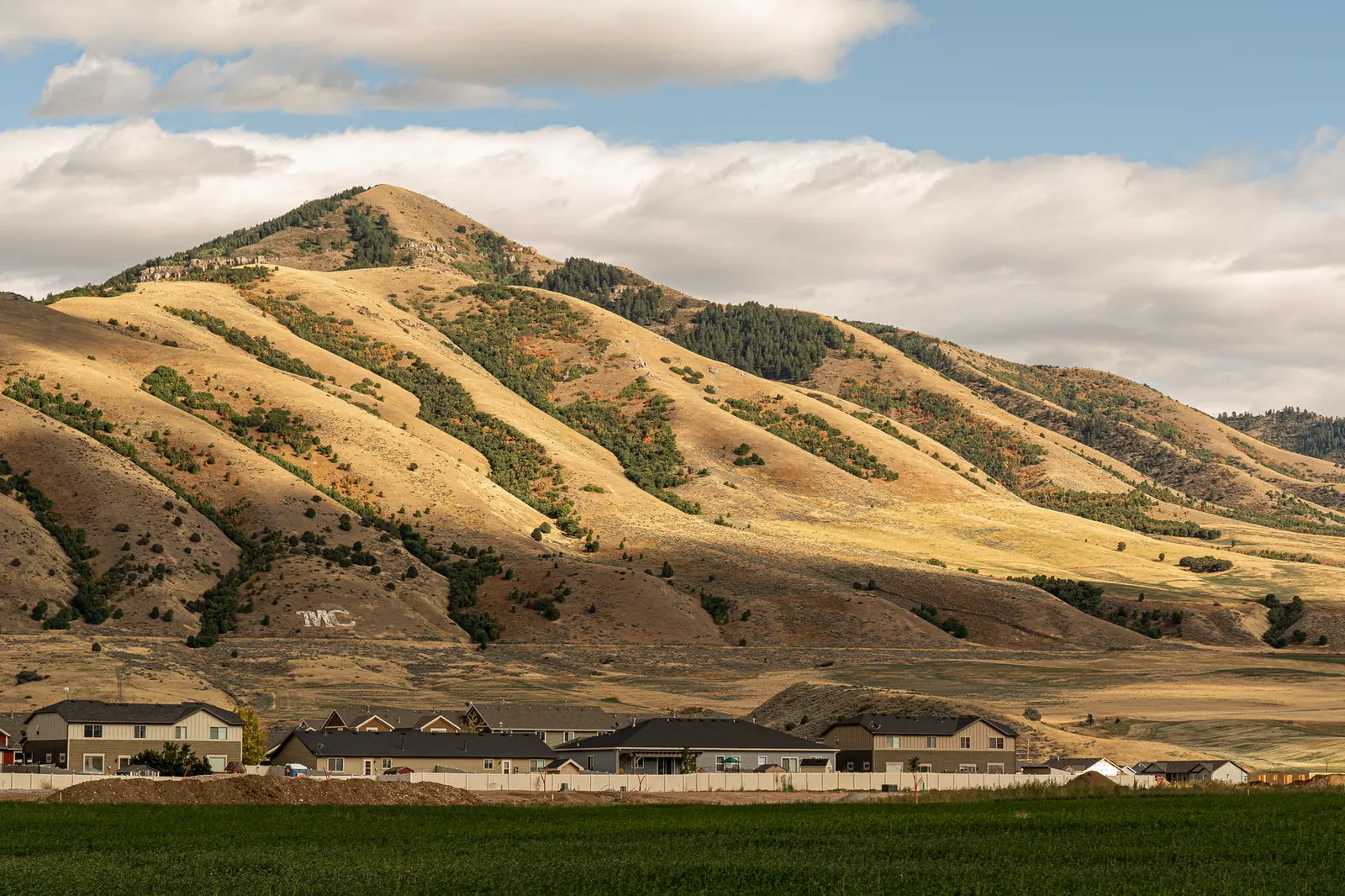
Bench lot or lake lot, the estimate is free
Send the town and the job, and the contractor will call to set up a time to look at it.