RV Pads · Concrete Davis County
Concrete RV Pads & Slabs in Davis County, UT
Pads for RVs, trailers, sheds, shops, hot tubs and AC units, each sized to its load. Ask for a free estimate.
RV Pads & Slabs across Davis, Weber and Box Elder counties
Free Pad Estimate
Give the town, what kind of concrete it is and roughly how big. You will get a phone call from the contractor about the job and a time to come see it.
- Free estimates
- Residential and commercial
- Bench and lake-side lots
- All of Davis County
Town, type of job, rough size. That is all it takes.
RV Pads & Slabs
Concrete RV Pad for Davis County, UT
A slab is only as good as its match to the load. A pad for an air conditioner and a pad for a 30-foot travel trailer look alike from the street, but the trailer pad typically needs 5 to 6 inches of concrete instead of 4, thickened edges where tires roll on and off, more steel, and a deeper compacted base. Around Davis County, an RV pad is one of the slabs people most often add after a house is built, usually beside the garage or through a side gate into the backyard, and the route to it matters as much as the pad itself.
Ground conditions decide the rest. On lake-side clay, a heavy pad that sits wet will settle unevenly, so the base is built up with compacted gravel and the pad is pitched to drain. On a bench lot, a side yard may need cutting and leveling, and a pad at the bottom of a slope needs water routed around it. Check the rules early, too: some cities limit where an RV can be parked and what surface it sits on, and many HOAs have their own. Shed, shop and hot tub slabs follow the same logic at their own scale.
What's included
What goes into RV pads and slabs
- 01
RV and trailer pads
Pads sized for the length of the RV or trailer plus room to walk around it, typically 5 to 6 inches thick with thickened edges.
- 02
Parking pads beside the driveway
Extra parking for a boat, a work truck or a second car, tied into the existing driveway with dowels.
- 03
Shed slabs
Level slabs for prebuilt or site-built sheds, sized to the footprint and set on compacted gravel.
- 04
Shop and garage slabs
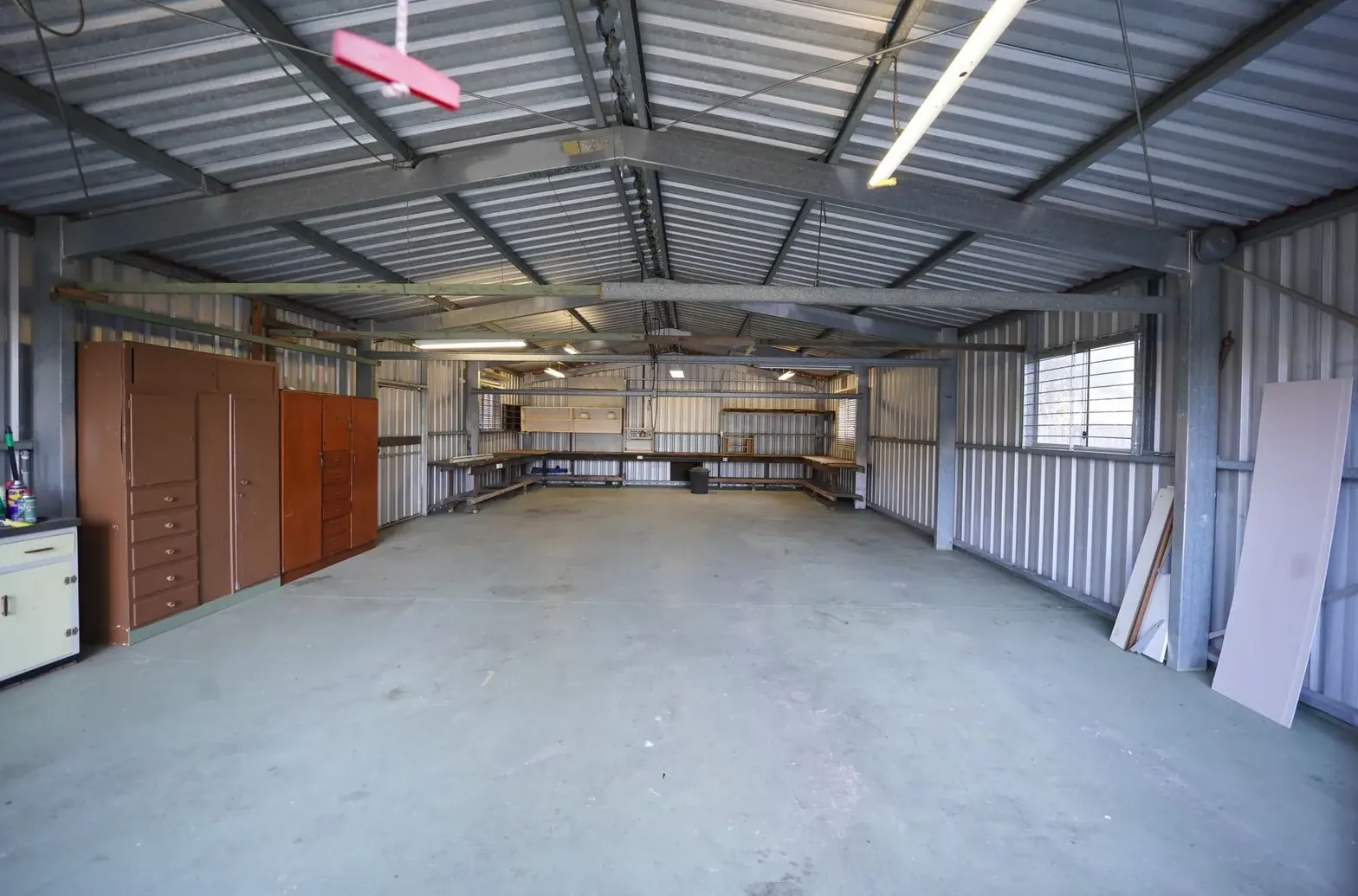
Slabs for detached garages and shops, with thickened edges or footings to suit the building's plans.
- 05
Hot tub and equipment pads
Smaller pads for hot tubs, AC condensers and generators, level and firm so nothing tips or rocks.
- 06
Sport court slabs
Pickleball and basketball slabs with a slight drainage slope, heavy reinforcement and fewer joints, ready for an acrylic court coating after several weeks of curing.
Ideas
RV Pads & Slabs: what they can look like
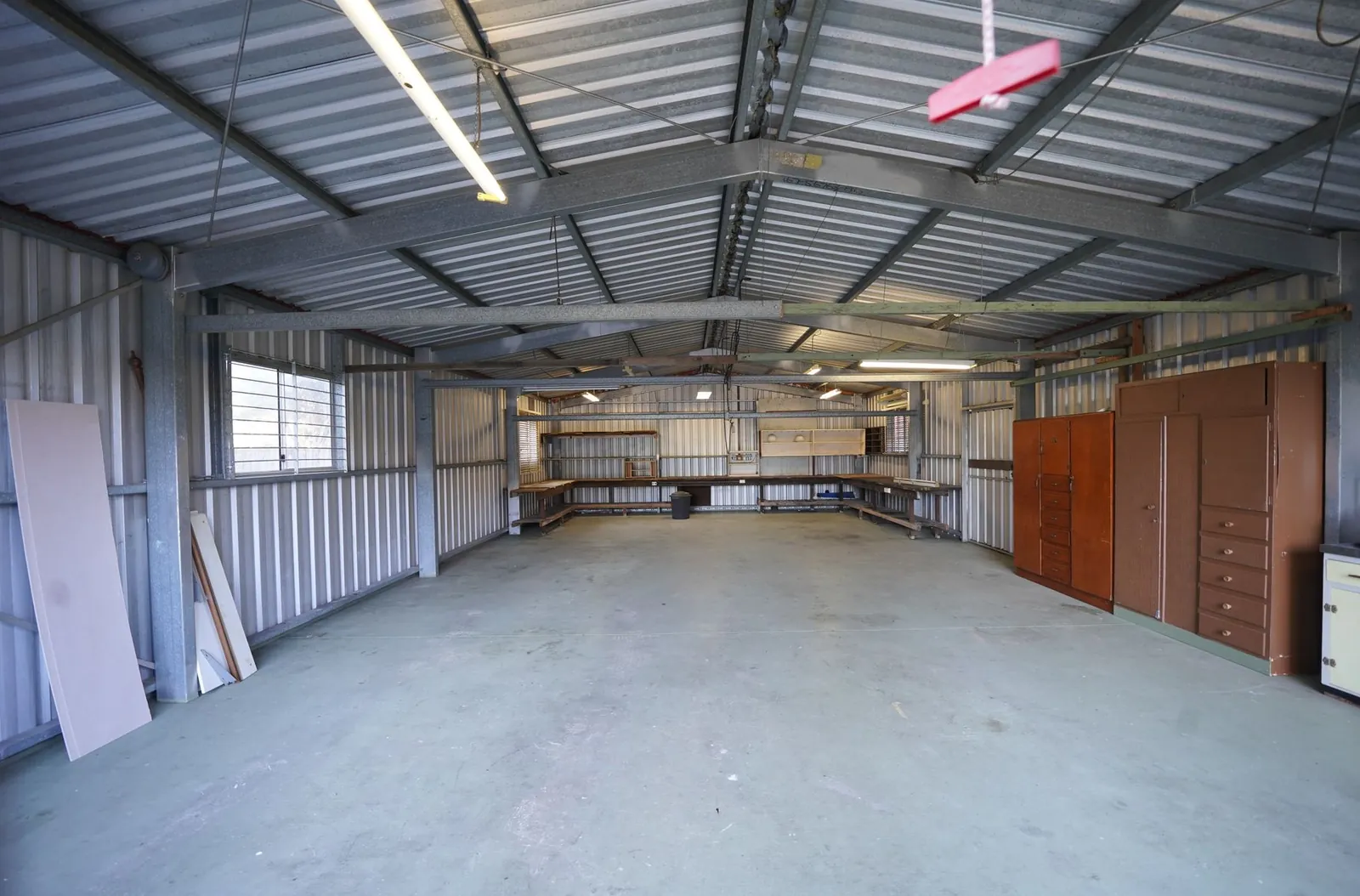
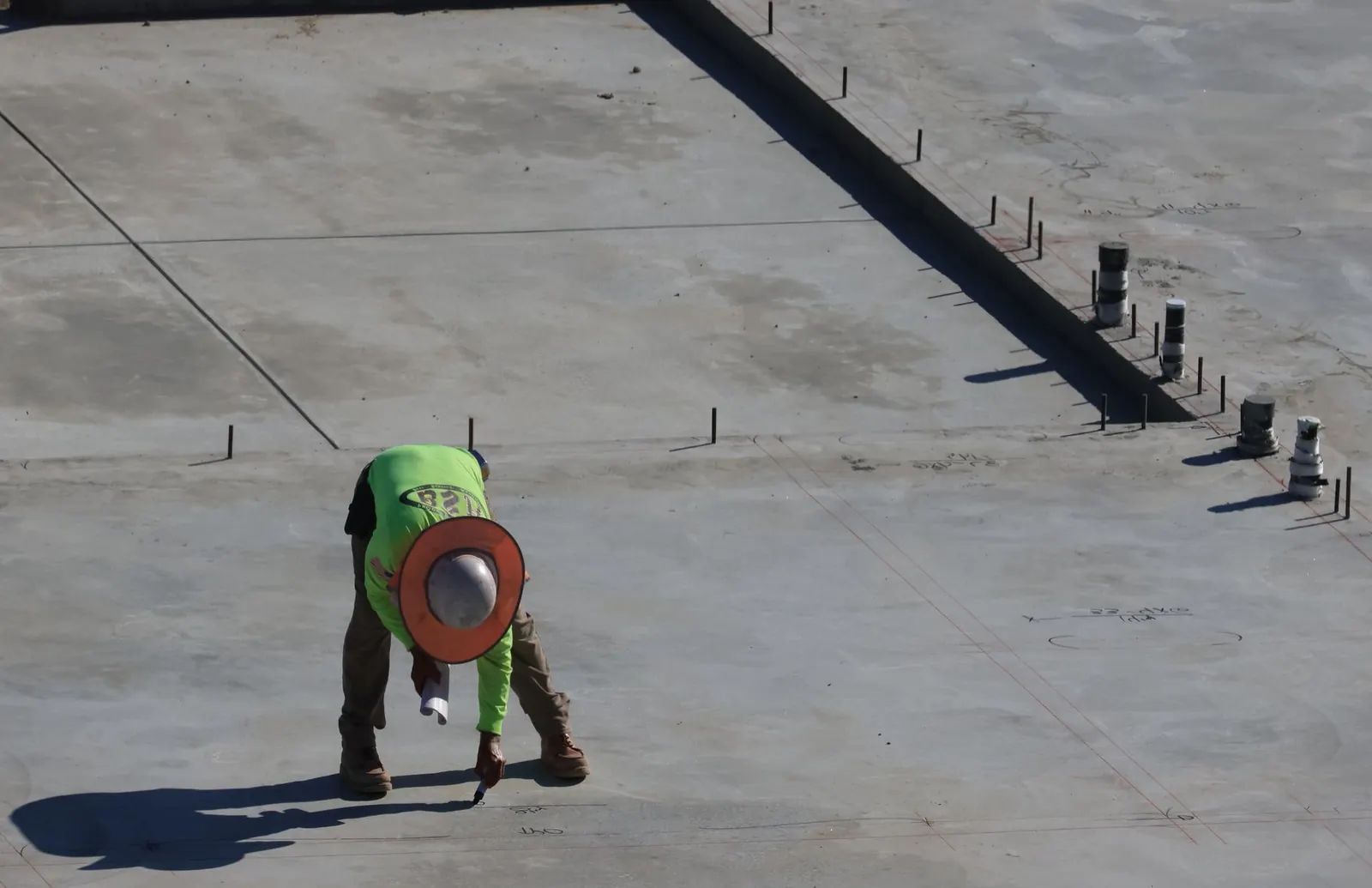
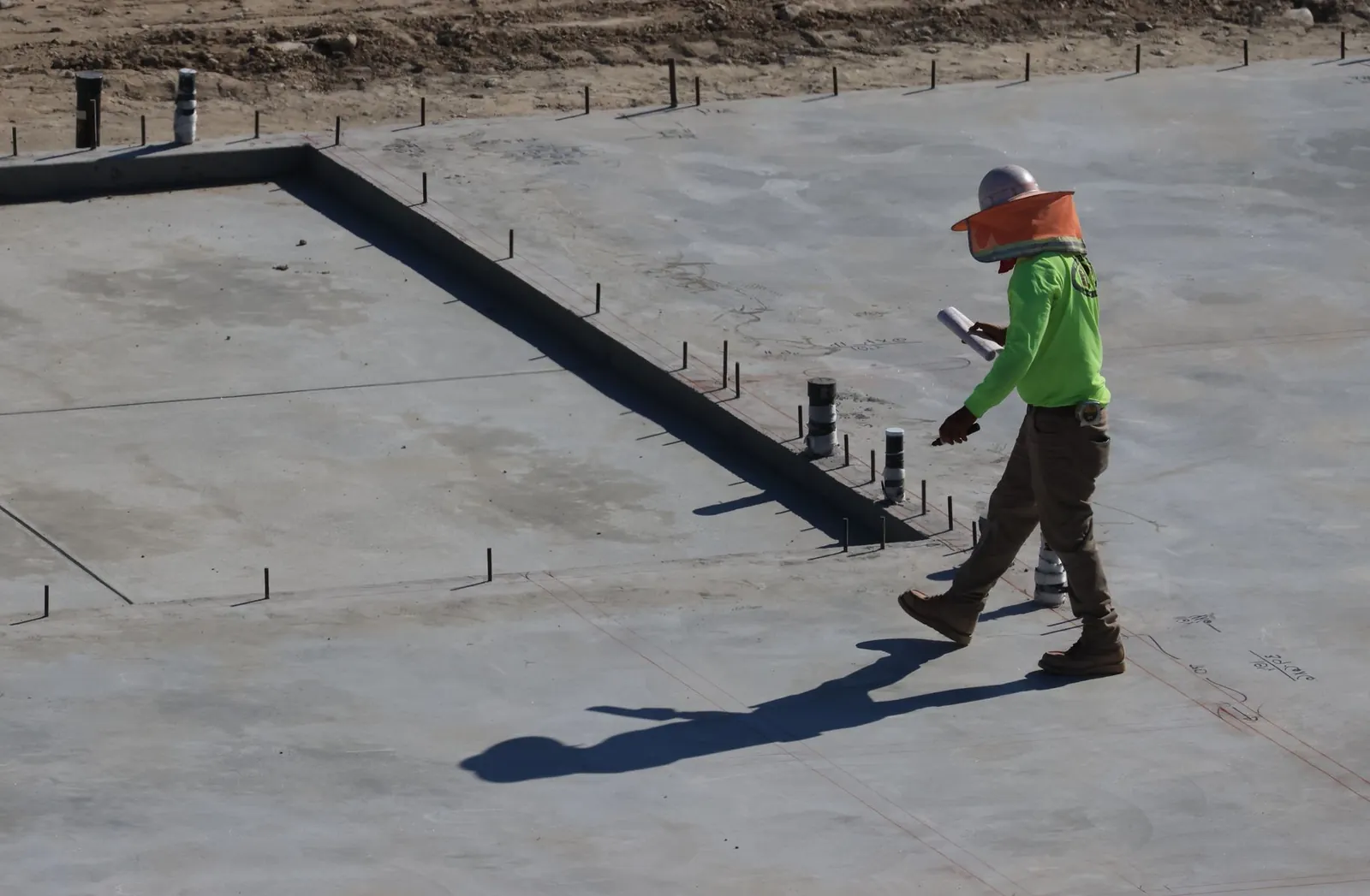
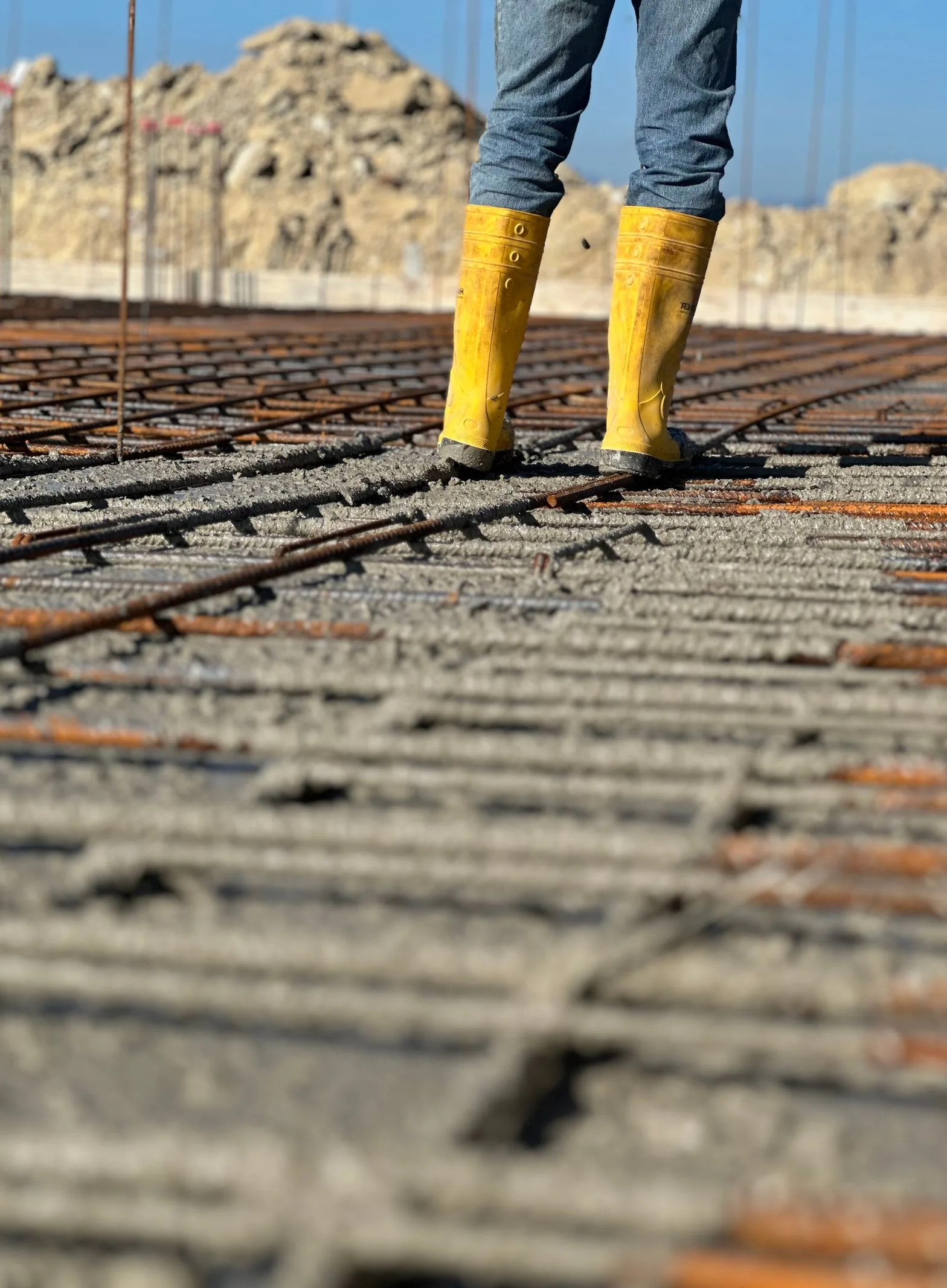
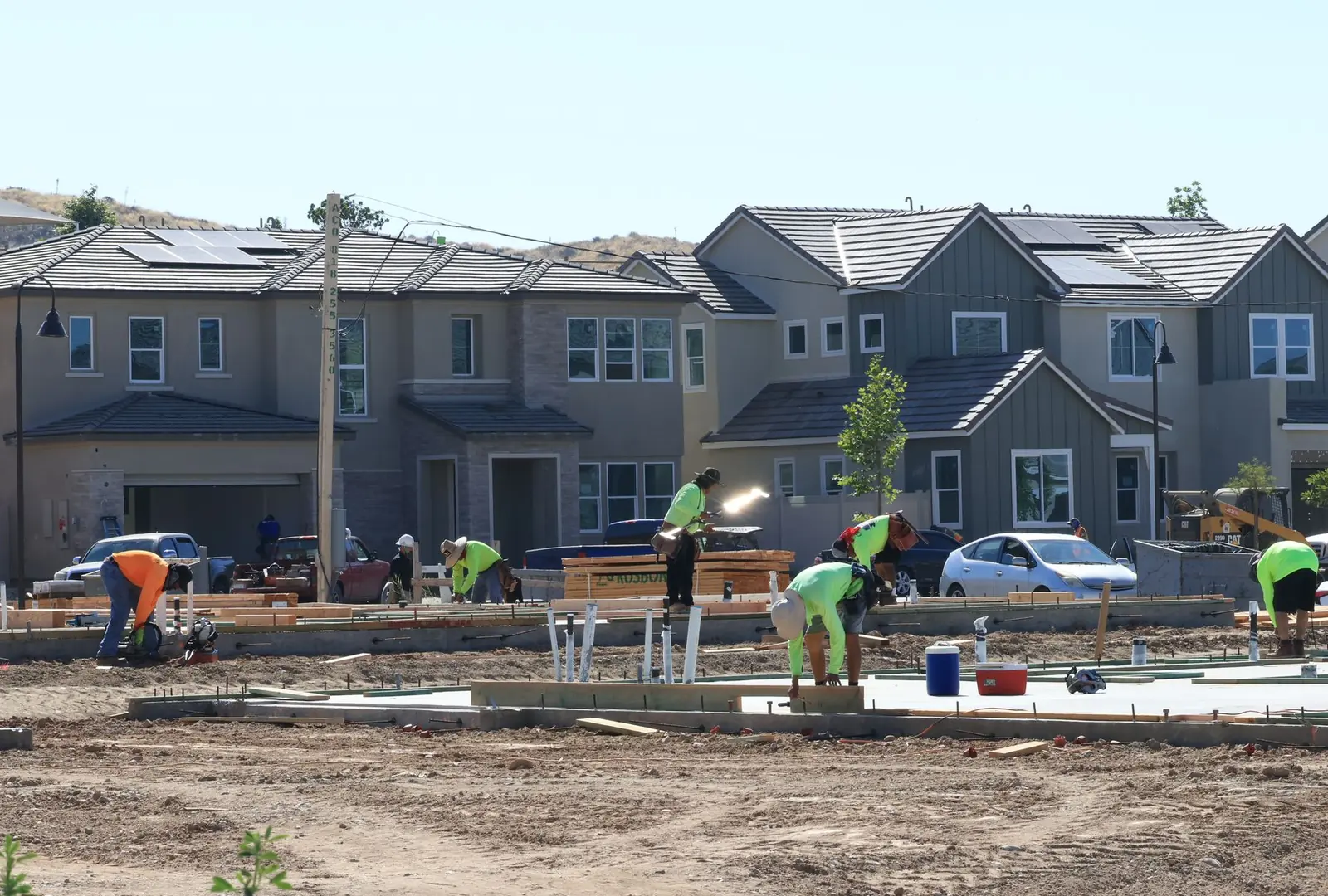
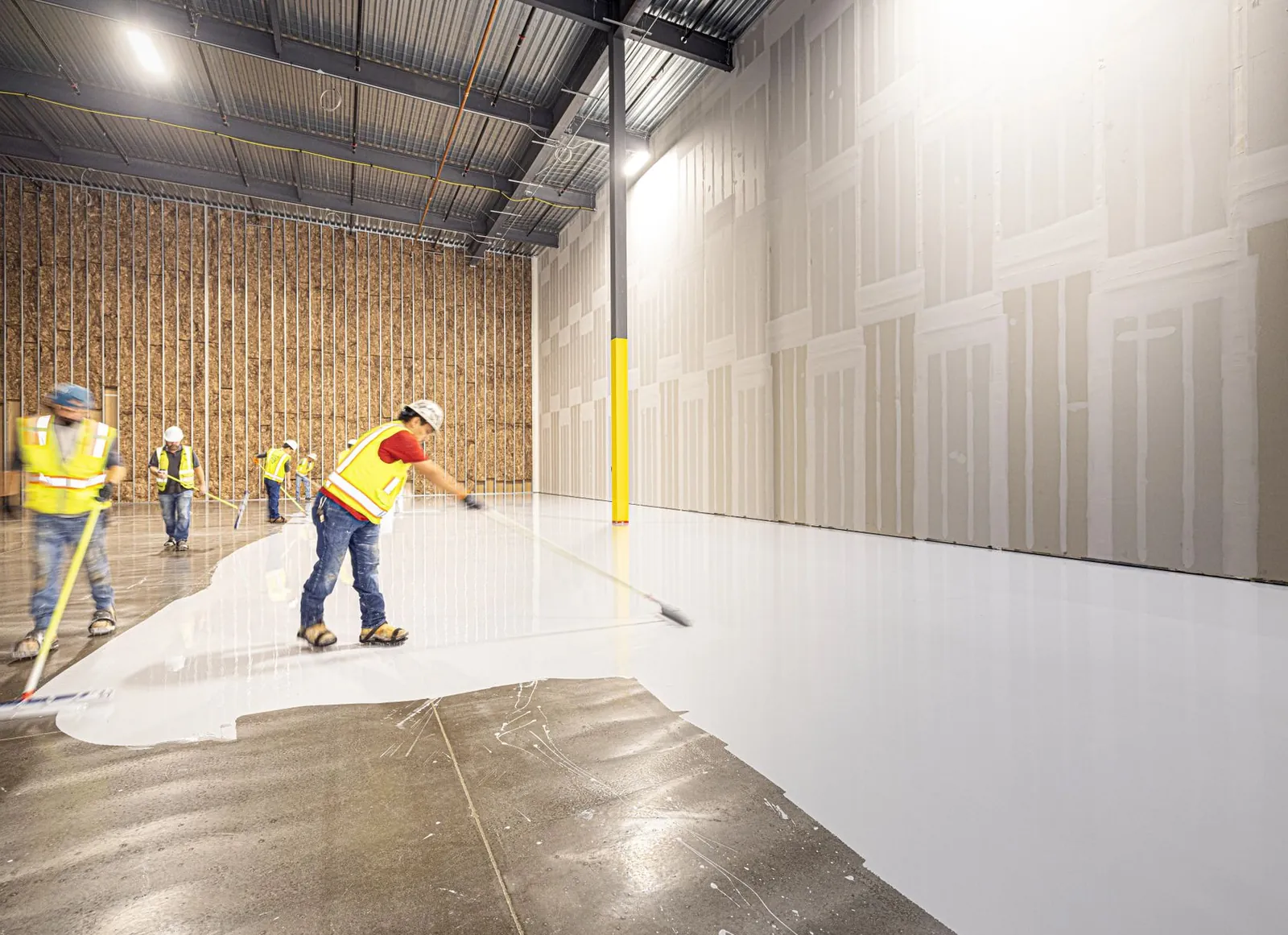
Example photos of this kind of concrete work.
How it works
How a pad job works
- 1
Measure the load and the route
We start with what will park or sit on the slab, how it gets there, and whether the gate, side yard and turning room work for it.
- 2
Grade and base
The area is dug and leveled, soft ground is replaced, and a thicker gravel base is compacted for heavy pads.
- 3
Forms and steel
Forms set the size and drainage pitch, edges are thickened where wheels cross, and rebar goes in on chairs.
- 4
Pour and wait
After finishing and jointing, a heavy pad needs patience: light vehicles after about a week, the loaded RV or trailer later still.
Questions
RV Pads & Slabs FAQs
Will an RV pad sink on clay ground?
It can if the base is thin. A loaded RV puts a lot of weight on a few tires, and clay that stays wet loses strength and heaves with frost. A thicker compacted gravel base, a 5 to 6 inch slab with steel, and a pitch that keeps water from sitting under the edges are what keep a pad flat on lake-side ground.
What goes into the cost of an RV pad?
Length, width and thickness first, then the base work the ground needs and how the pad connects to the driveway. A tight side yard or a narrow gate that slows down access adds labor, as does any old concrete or soil that has to be hauled away. The estimate visit measures all of it.
Do I need permission for an RV pad?
Possibly from two places. Some cities have rules on where RVs can be parked and on parking surfaces, and a new or widened driveway approach in the right-of-way takes a city permit. If you have an HOA, its rules on RV parking matter too. Check both before the estimate, and 811 marks the utility lines before digging.
How big should an RV pad be?
Longer and wider than the RV. Add a few feet at each end and enough width to open doors, run out slide-outs and walk around it, then plan for the turn in from the street or driveway. A pad that is just big enough on paper usually ends up with tires off the edge.
Can a shed or hot tub go on a 4-inch slab?
A shed usually can, as long as the base is compacted and the slab is level. A hot tub is a concentrated load when full, so it is better on a thickened, reinforced section. The same goes for anything on legs or wheels that puts its weight on a few small points.
Related work
You might also be planning
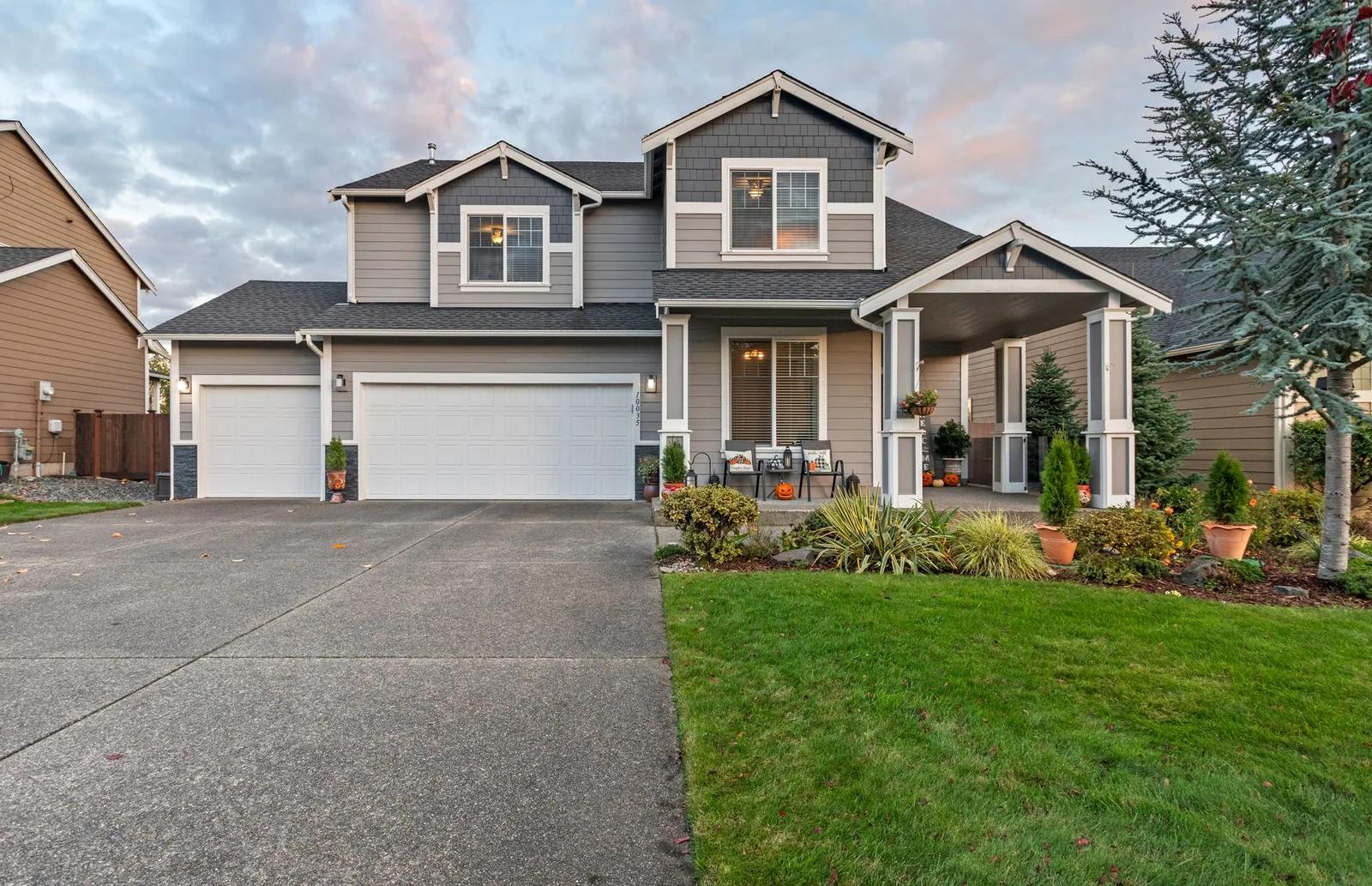
Concrete Driveways
New, replacement and extended driveways, with the base and slope matched to bench or lake-side ground.
More on Concrete Driveways
Foundations & Footings
Footings and foundation walls for houses, additions, garages and shops, poured below frost and to the plans.
More on Foundations & Footings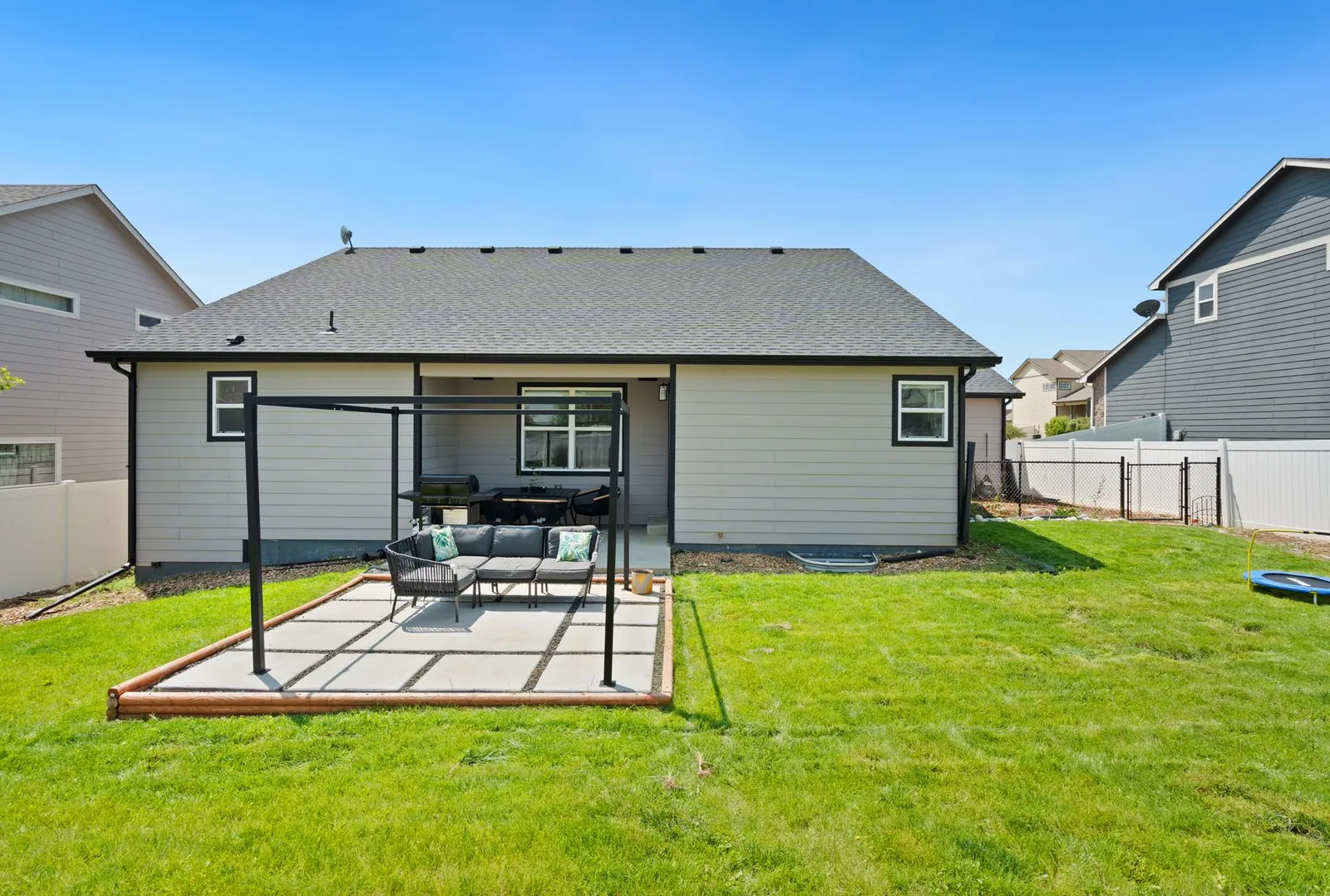
Concrete Patios
New and extended back patios, plain or stamped, sloped away from the house and set on a base that suits the lot.
More on Concrete Patios
Where we work
RV Pads & Slabs in these towns
We take requests for rv pads & slabs in each town below, from North Salt Lake up to Brigham City.
Davis County
Weber County
Morgan County
Box Elder County
Ready to price your pad?
Give the town, what kind of concrete it is and roughly how big. You will get a phone call from the contractor about the job and a time to come see it.